Show summary Hide summary
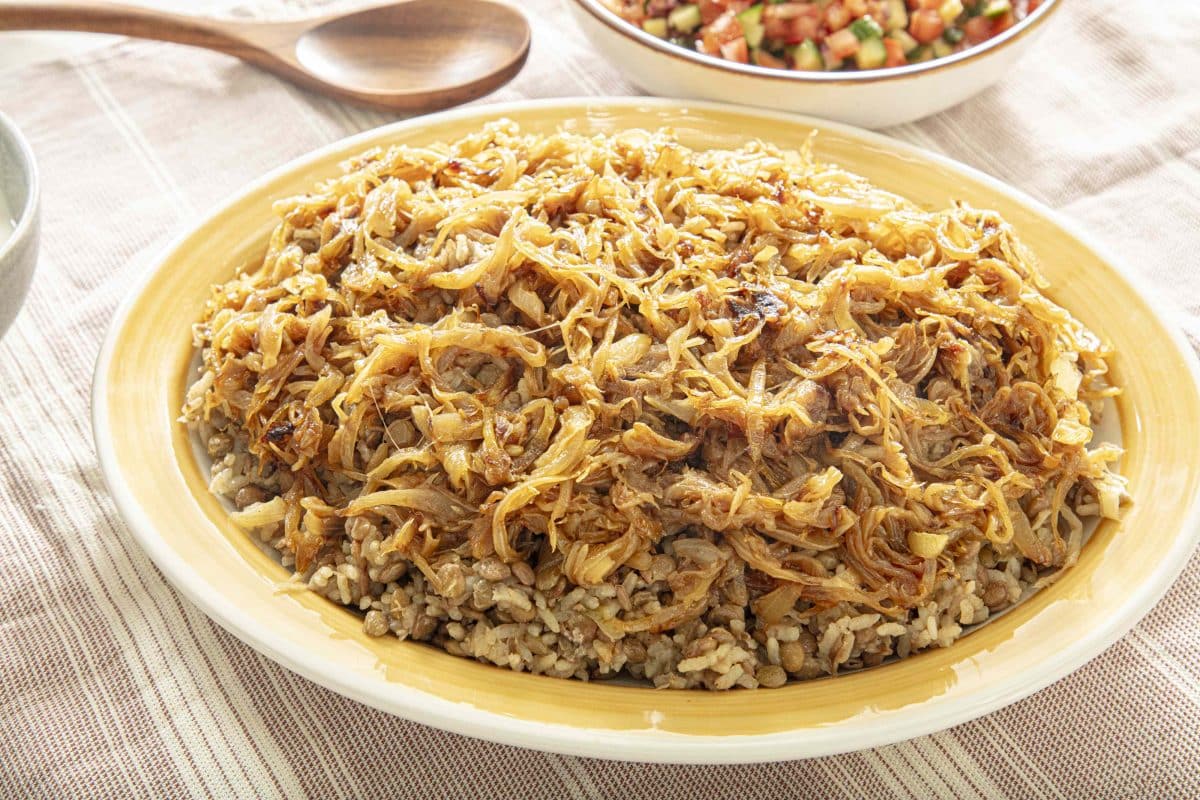
Mujaddara — a humble Levantine dish built around rice, lentils and onions — is enjoying renewed attention as people look for affordable, plant-forward meals that don’t sacrifice flavor. In 2026’s season of pantry cooking and simple, sustainable plates, this centuries-old comfort food is suddenly everywhere from home kitchens to restaurant menus.
Why it matters now
Short on time, budget-conscious and eating less meat: those trends are driving rediscovery of recipes like mujaddara. Beyond being economical, it delivers a solid nutritional profile and relies on shelf-stable ingredients, which makes it especially relevant during supply-chain uncertainty and fluctuating grocery prices.
Caramelized onions do the heavy lifting here. A long, slow sauté turns plain slices into the dish’s smoky-sweet centerpiece, transforming two to three pantry staples into a full meal.
Caramel, butterscotch, toffee: how their differences affect your desserts
McDonald’s rebrands Twitter to honor Bubba Wallace after his first NASCAR Cup win
Essentials and regional variations
Across the Levant — Lebanon, Syria, Palestine, Jordan — the same basic trio appears with meaningful differences. Some cooks fold in spices like cumin or allspice, others use bulgur instead of rice, and a handful prefer split peas or red lentils for a creamier texture. In Iraqi kitchens, mujaddara may be wetter and more porridge-like; in Lebanon it often arrives as a dryer pilaf.
Lentils are usually brown or green for structure; red lentils cook too quickly and can become mushy unless staged differently. Rice type matters less than technique, but medium-grain rice yields a comforting, cohesive bite.
| Ingredient | Typical ratio | Notes |
|---|---|---|
| Lentils | 1 cup | Brown/green for texture; rinse but don’t oversoak |
| Rice | 1 cup | Medium grain; basmati for a fluffier result |
| Water or stock | ≈3 cups | Adjust based on rice type and desired moisture |
| Onions | 2–3 large | Thinly sliced and slowly caramelized until deep brown |
Practical tips for better results
Start the lentils first; they need a head start before the rice goes in. Keep the flame moderate when sautéing onions and resist the urge to rush them — the browned edges are what define the dish’s flavor.
- Use a heavy-bottomed pot for even heat and fewer burned bits.
- Season early but taste and adjust at the end; salt tightens lentils as they cook.
- Reserve some fried onions for garnish to preserve texture contrast.
How to serve it
Mujaddara is built to be shared and flexible. A squeeze of lemon or a dollop of yogurt brightens the plate; pickles or a crisp cucumber-tomato salad add contrast. For a heartier meal, top with pan-fried halloumi or an egg.
It also scales well for meal prep — it keeps in the fridge for several days and reheats cleanly, which is one reason it fits both busy households and chef-driven batch cooking.
Nutrition and sustainability angle
As a plant-based source of protein and fiber, mujaddara aligns with broader dietary shifts toward lower-carbon diets. Lentils fix nitrogen in the soil, requiring less fertilizer than many row crops, so the dish carries a quieter environmental benefit.
What to watch next
Expect more restaurants and food editors to spotlight pantry-forward dishes this year, and to reinterpret classics like mujaddara with new garnishes and grains. For home cooks, it’s a reliable template: learn the technique — especially the onions — and you can adapt it endlessly.
Simple, adaptable and deeply satisfying, mujaddara is more than a recipe: it’s a reminder that modest ingredients, handled with care, can deliver meals that feed both belly and budget.
Irish whiskey: approachable bottles new drinkers should try today
Fishtown restaurants ranked: must-visit spots locals are raving about