Show summary Hide summary
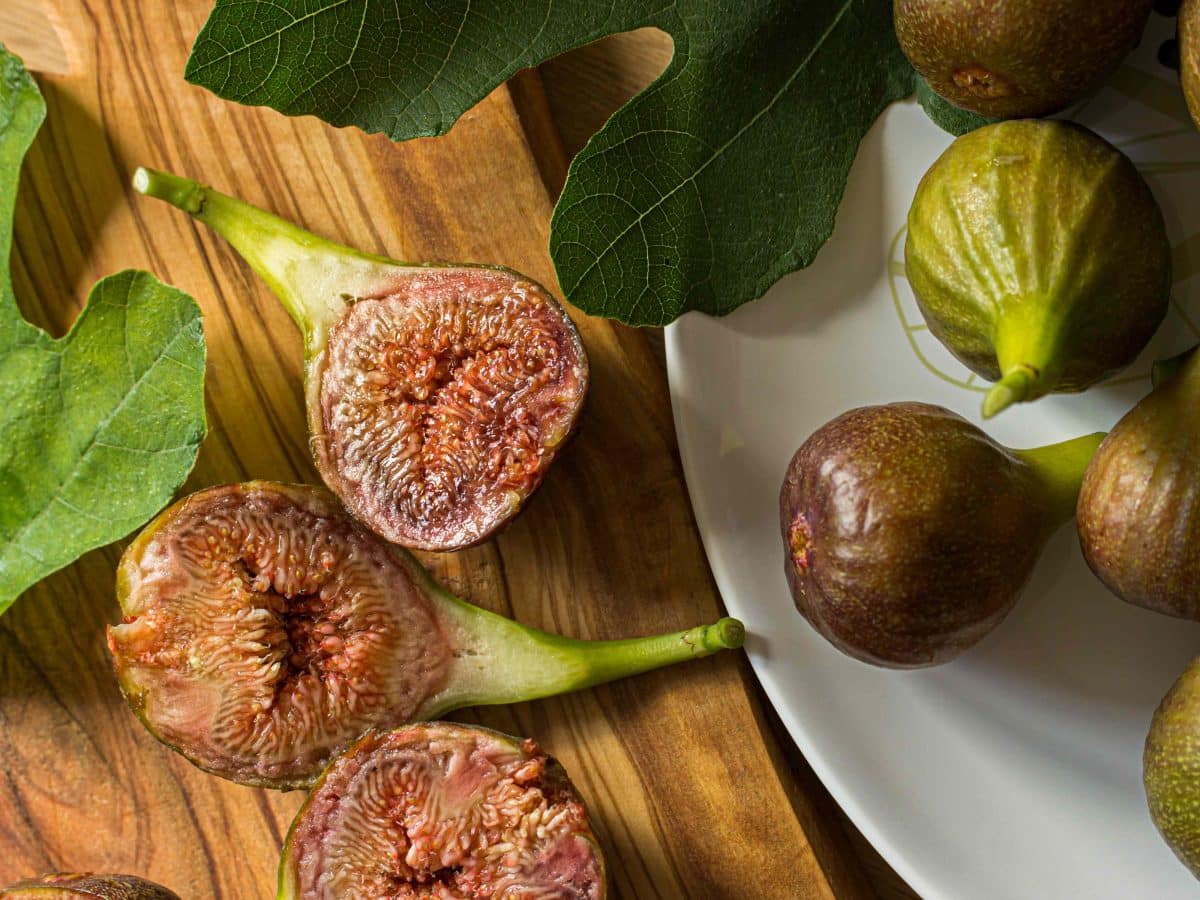
Fig leaves are quietly moving from garden curiosity to pantry tool: chefs and adventurous home cooks are rediscovering their green, herbaceous aroma and using them to add a distinctive layer to both sweet and savory dishes. With the fruit’s season and a renewed focus on reducing waste, the leaves offer an immediate, low-cost way to refresh familiar recipes.
What a fig leaf brings to the plate
Far from tasting like the fruit, a fig leaf gives off a subtle, nutty top note with vegetal and almost coconut-like hints when heated. Its aroma can lift grilled proteins, perfume desserts, or act as a fragrant wrapper that steams in moisture while imparting flavor. Because the scent is delicate, a little goes a long way — and it behaves differently depending on how you treat it.
Caramel, butterscotch, toffee: how their differences affect your desserts
McDonald’s rebrands Twitter to honor Bubba Wallace after his first NASCAR Cup win
For cooks, that means thinking of the leaf as an ingredient rather than a garnish: it can be the primary aromatic in a dish or a quiet supporting player that changes texture and retains juices.
Safety and sourcing
Not all fig leaves are ready for the stove straight off the tree. The sap, rich in enzymes and sometimes irritating to skin, can be removed with a quick rinse and gentle scrubbing. Choose leaves that are clean and free from pesticide residue — farmers markets, community gardens, or trusted backyard trees are the best sources.
Try to use younger, pliable leaves for wrapping and slightly larger ones for infusions. If you’re unsure about contact sensitivity, test a small area of skin first or wear gloves while handling.
How to prepare fig leaves
Preparation is straightforward but important. A short blanch in boiling water removes surface fuzz and mellows aggressive sap. After that, leaves can be dried, layered, or frozen for later use.
- Rinse under cool water to remove dirt and debris.
- Blanch for 10–20 seconds, then plunge into ice water to preserve color and texture.
- Pat dry and trim the stems. Use fresh, or stack and freeze flat between parchment sheets.
Practical ways to use fig leaves
The leaves work in surprising contexts — from wrapping fish to flavoring creams. Below are reliable techniques that demonstrate the leaf’s versatility without demanding advanced skills.
| Use | Preparation tip | Flavor effect | Example |
|---|---|---|---|
| Wrapping for grilling/steaming | Blanch, pat dry, wrap tightly | Locks moisture; imparts smoky, green aroma | Whole fish or lamb parcels |
| Infusing liquids | Simmer gently, strain before serving | Subtle coconut-like, herbal notes | Milk for custard or ice cream |
| Smoking and charring | Use fresh leaves for short, high-heat exposure | Adds a quick, aromatic smoke layer | Grilled vegetables or cheeses |
| Wrapping breads or cheeses | Place leaf between dough or around cheese before baking | Delicate fragrance and an attractive presentation | Flatbreads, baked goat cheese |
Pairings and flavor companions
Fig leaves complement a narrow but powerful set of flavors: bright citrus, floral honey, toasted nuts, and mild cheeses. They stand up to fatty proteins like lamb and salmon, and they balance sugar in custards and ice creams without adding overt sweetness.
Think in layers: a leaf-wrapped fish might be finished with lemon and a drizzle of olive oil, while a fig-leaf–infused cream benefits from a touch of roasted hazelnut.
Quick tips to get started
- Use the leaf as a temporary wrapper rather than a permanent seal — it flavors without overpowering.
- When infusing dairy, heat gently and strain so the enzymes don’t destabilize the texture.
- Freeze leaves between parchment if you need longer storage; they retain aroma well.
- Label and date stored leaves — aroma fades over months.
As culinary tastes continue to favor ingredient-driven simplicity and minimal waste, fig leaves offer a practical, low-profile way to introduce a new aromatic dimension. For cooks willing to experiment, they are an easy, seasonal tool that delivers subtle but memorable results.
Irish whiskey: approachable bottles new drinkers should try today
Fishtown restaurants ranked: must-visit spots locals are raving about