
Show summary Hide summary
Broccoli that has gone limp or rubbery is more than a minor annoyance — it’s wasted food and money. With a few simple storage and cooking adjustments, you can keep florets crisp longer, cut down on spoilage and get better flavor from every head.
Why it matters now
Fresh produce prices and household food waste remain high concerns for many shoppers. Preserving broccoli’s texture not only stretches the grocery budget but also keeps meals appealing so leftovers actually get eaten. Small changes at home make a measurable difference.
Caramel, butterscotch, toffee: how their differences affect your desserts
McDonald’s rebrands Twitter to honor Bubba Wallace after his first NASCAR Cup win
How broccoli loses its snap
Broccoli wilts when it loses moisture and when enzymes and bacteria begin breaking down cell walls. Exposure to warm temperatures, ethylene gas from nearby fruit and improper packaging speed that process. Understanding the causes helps you choose the right fix.
Simple storage rules that work
Do not wash broccoli before you store it — surface moisture promotes rot. Instead, keep the head dry and cool, and give it room to breathe. For the best balance of longevity and convenience, try one of these approaches:
- Loose in the refrigerator crisper: Place unwrapped broccoli in the crisper drawer where humidity is higher than the main shelf.
- Wrapped in a damp towel: Lightly dampen a paper or kitchen towel, wrap the stalks (not tightly) and put the bundle in a perforated bag.
- Upright in a jar of water: For pre-cut or trimmed stalks, stand them stem-down in a jar with an inch of water and loosely cover with a plastic bag.
| Storage method | Typical fridge life | Best use |
|---|---|---|
| Whole, unwashed, crisper drawer | 5–7 days | Raw salads, quick steam, roasting |
| Wrapped in damp towel | 7–10 days | Sautéing, steaming, stir-fry |
| Blanched and frozen | 6–12 months | Soups, casseroles, quick sauté |
Freezing is the most reliable long-term solution. Blanch florets for 2–3 minutes, plunge them into ice water, drain and freeze in a single layer before bagging. That process preserves color and texture better than freezing raw broccoli.
Cooking to preserve texture and flavor
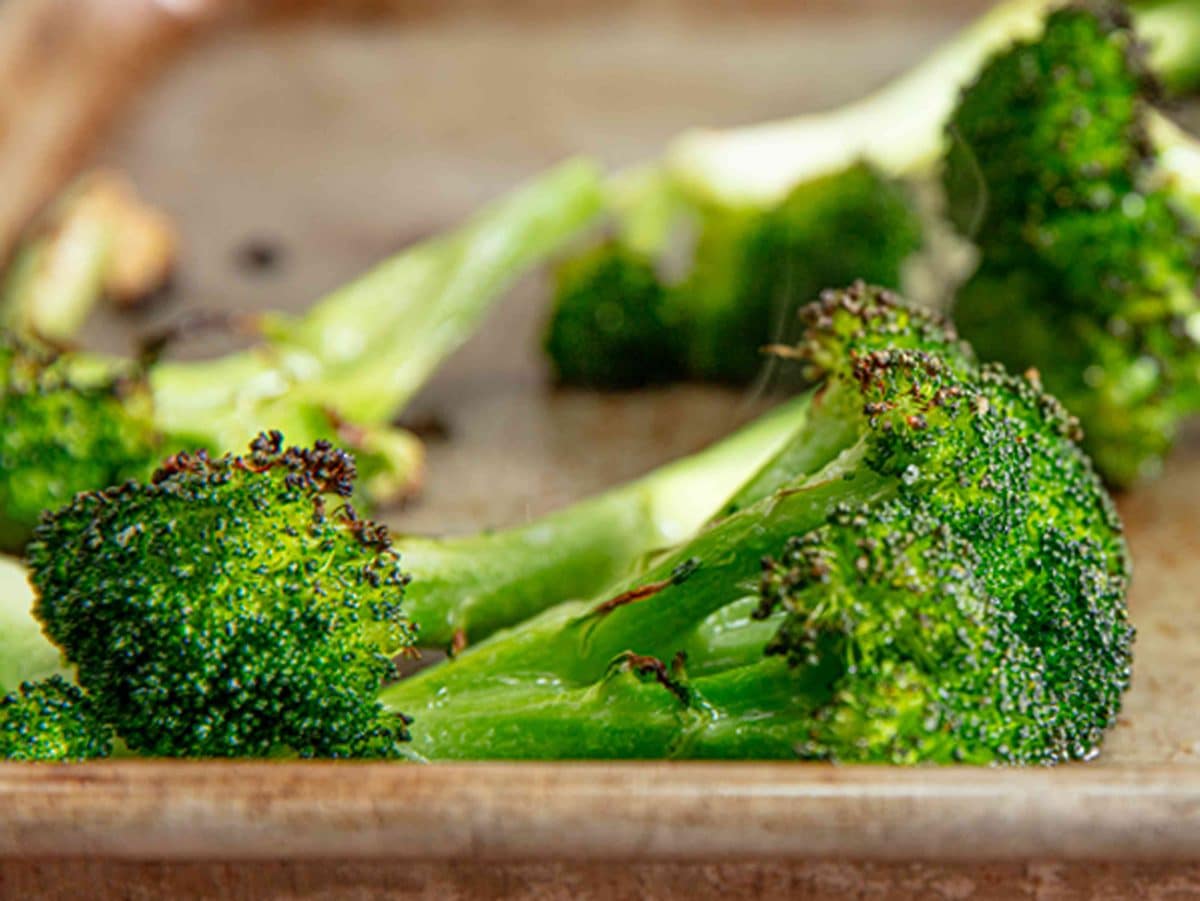
Overcooking is the usual culprit behind limp, brown-tipped broccoli. Short, high-heat methods keep the interior tender and the edges crisp: roast at high temperature until edges caramelize, stir-fry quickly over strong heat, or steam just until bright green and slightly fork-tender.
Finish with an acidic touch — a squeeze of lemon or a splash of vinegar — to brighten flavors and mask any slight bitterness from older florets. A quick toss with olive oil and salt enhances mouthfeel without masking texture.
Quick rescue tips for limp florets
- Soak stems in cold water for 20–30 minutes to rehydrate them before cooking.
- Trim and roast: cut into uniform pieces and roast at 425°F (about 220°C) to crisp up the edges.
- Use in blended soups or purees where texture is less important.
Signs that broccoli has passed its prime are straightforward: persistent yellowing of the florets, a soft or mushy stem, a slimy surface or an off smell. When you see these, discard the head rather than trying to salvage it.
Small habits — not buying too much at once, storing properly, and choosing the right cooking method — make broccoli more useful and enjoyable in everyday meals. Those steps reduce waste, save money and keep your plate more vibrant.
Irish whiskey: approachable bottles new drinkers should try today
Fishtown restaurants ranked: must-visit spots locals are raving about










