Show summary Hide summary
Tinned fish has quietly become a go-to shortcut for cooks who want deep, savory flavor without spending hours at the stove. In an era of tight budgets and busier schedules, these shelf-stable tins offer an immediate way to add concentrated umami and protein to everyday meals.
What makes tinned fish so useful is its ability to punch up a dish with minimal effort. A spoonful can transform plain pasta, salad, or toast into something layered and satisfying. Because the fish is pre-cooked and preserved in oil, tomato, or brine, it shortens prep time while contributing rich, nuanced flavors that are hard to replicate with fresh fish on a weeknight.
How home cooks are using tinned fish right now
Over the past few years chefs and food writers have embraced canned seafood for both convenience and creativity. Social feeds and recipe sites regularly show simple riffs: pan-fried bread with anchovies, tuna-studded pasta tossed with lemon and chili, or sardines flaked into a warm potato salad. The current interest also ties into broader trends: pantry-first cooking, reducing food waste, and stretching grocery budgets without sacrificing taste.
Caramel, butterscotch, toffee: how their differences affect your desserts
McDonald’s rebrands Twitter to honor Bubba Wallace after his first NASCAR Cup win
There are practical considerations beyond flavor. Sourcing and sustainability vary widely between brands, so reading labels for catch methods and certifications can make a difference for shoppers who care about environmental impact.
Quick pantry pairings and uses
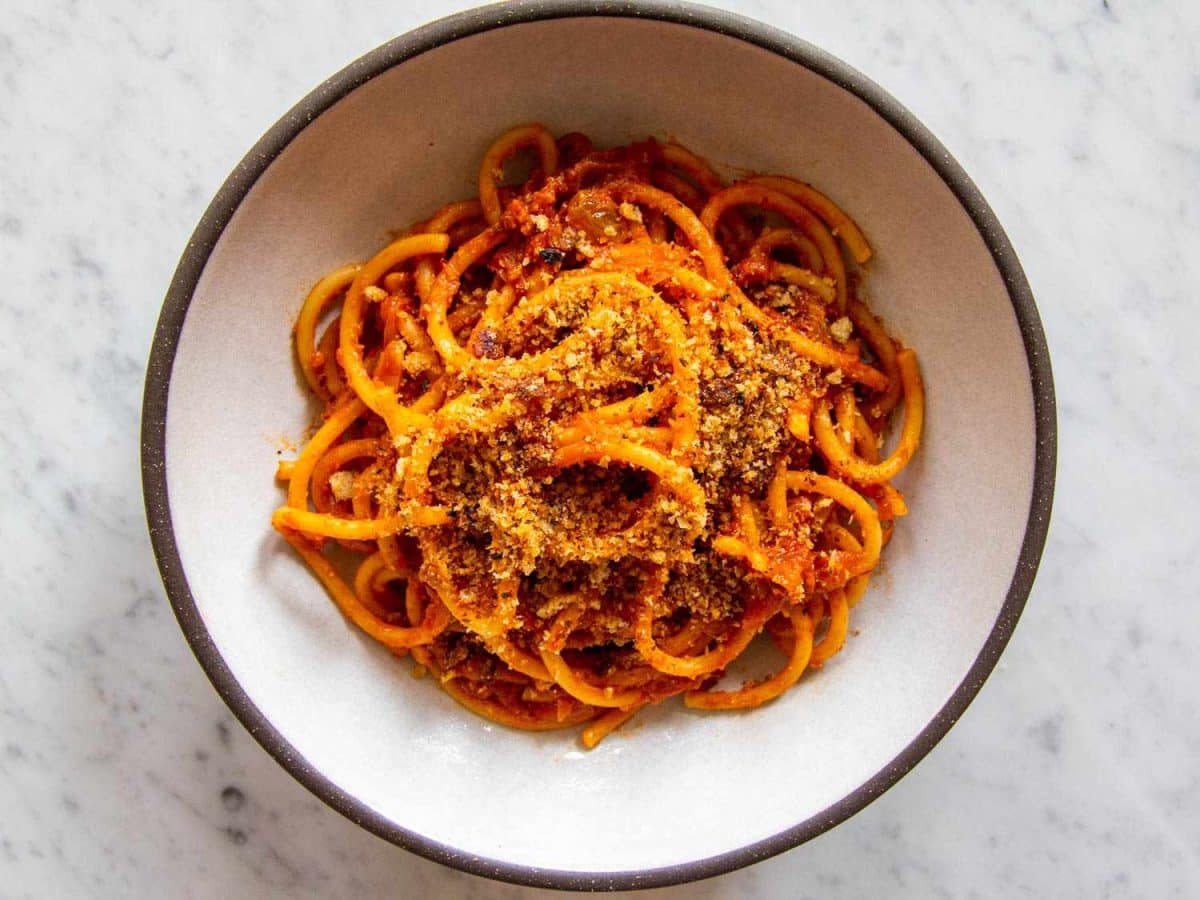
- Weeknight pasta: Toss oil-packed sardines or tuna with garlic, chili flakes, lemon zest, and spaghetti for a five-minute meal.
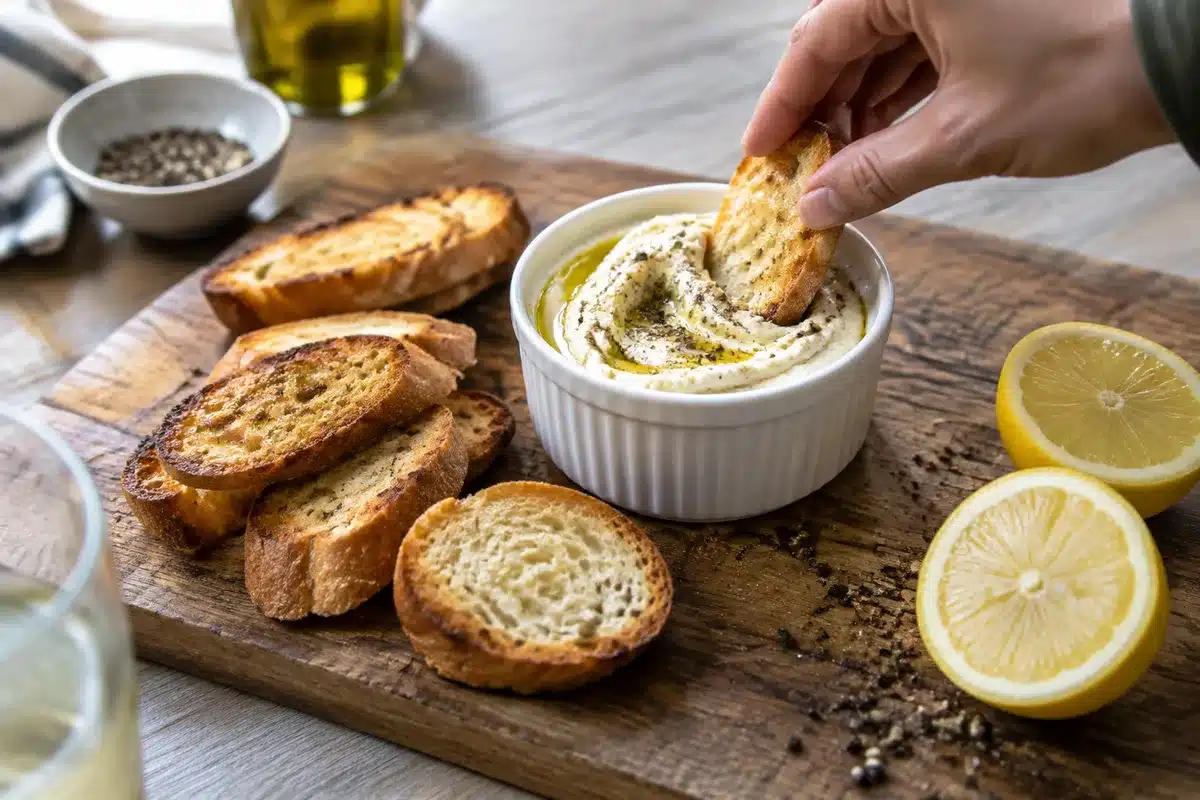
- Open-faced toast: Layer ricotta or avocado with flaked mackerel or smoked oysters and a squeeze of citrus.
- Salads and bowls: Add anchovies or salmon to grain bowls or leafy salads for instant depth.
- Simple stews: Stir tinned fish into tomato-based braises for a richer finish.
- Snack or appetizer: Serve on crackers with pickles and mustard for an easy, savory bite.
Snapshot: common tins and how to use them
| Type | Flavor profile | Best uses |
|---|---|---|
| Sardines | Bold, oily, slightly briny | Pasta, toast, potato salad |
| Mackerel | Rich, meaty, smoky when smoked | Grain bowls, sandwiches, spreads |
| Tuna | Firm, meaty, milder | Pasta, salads, casseroles |
| Anchovies | Intense umami and salt | Dressings, sauces, flavor boosters |
| Salmon | Buttery, subtly sweet | Salads, bagels, frittatas |
| Oysters & mussels | Briny, silky | Tapas, simple pastas, risottos |
Buying tips and things to check
When you shop, look for labeling that clarifies catch method and origin. Certifications like MSC can indicate a product sourced with sustainability in mind, though standards differ. If you prefer milder flavor, choose tins in water or tomato; if you want extra richness, opt for those packed in olive oil.
Also consider packaging details: some cans are now marketed as BPA-free, and many brands list the year or season of catch. For households watching grocery bills, buying a variety pack or buying in bulk when on sale can reduce per-meal cost without sacrificing quality.
Storage and shelf-life
Tinned fish keeps for months or years unopened, which makes it an efficient pantry staple. Once opened, transfer leftovers to a sealed container, refrigerate, and use within two days for best flavor and safety. Keep in mind that oil-packed tins may solidify in cold weather; bring them to room temperature before using to restore texture and aroma.
For cooks who want big flavor with little fuss, tinned fish is a practical tool: it stretches ingredients, speeds preparation, and adds that craveable savory note—making it a timely addition to modern pantry strategies.
Irish whiskey: approachable bottles new drinkers should try today
Fishtown restaurants ranked: must-visit spots locals are raving about