
Show summary Hide summary
Sonari masala is a compact, fragrant spice mix that has recently appeared on the menus of neighborhood restaurants and in home kitchens alike. Its warm, layered aroma lifts everything from seared fish and roasted vegetables to pan-fried tofu, making it a practical, versatile seasoning for cooks looking to add depth without fuss.
At first glance it acts like any other mixed spice: a sprinkle before cooking or a rub for protein. But what sets Sonari masala apart is its balance of warmth and brightness—an effect achieved by mixing toasted whole spices with a few brighter notes so the blend works equally well with meat, seafood, and plant-based foods.
What it tastes like and where it fits
Caramel, butterscotch, toffee: how their differences affect your desserts
McDonald’s rebrands Twitter to honor Bubba Wallace after his first NASCAR Cup win
The flavor profile leans toward warm and aromatic, with savory, slightly sweet undertones. You’ll notice a toasty backbone, gentle heat, and a subtle citrus or fennel-like lift depending on the recipe. Because recipes vary by cook and region, batches can range from earthy and robust to floral and fragrant.
Why this matters now: as more home cooks explore adaptable spice blends that work across proteins and vegetables, Sonari masala offers a single seasoning that simplifies meal prep while delivering restaurant-style depth. It’s also well-suited to the continued demand for creative, global flavors in weeknight cooking.
Home recipe (basic) — proportions for a 100 g batch
| Ingredient | Amount | Notes |
|---|---|---|
| Coriander seeds | 35 g | Warm, citrusy base |
| Cumin seeds | 20 g | Earthy backbone |
| Fennel seeds | 10 g | Sweet, bright counterpoint |
| Black peppercorns | 10 g | Clean heat |
| Cinnamon stick (broken) | 8 g | Warm sweetness |
| Cloves | 2 g | Use sparingly — potent |
| Dried red chili flakes | 3 g | Adjust to taste |
| Turmeric (powder) | 5 g | Color and mild earthiness |
Method: dry-toast whole spices in a skillet until aromatic, cool, then grind to a fine powder. Mix in the turmeric and red chili flakes after grinding to avoid scorching the powder. Store in an airtight jar away from light.
How to use Sonari masala
- For meat: rub 1–2 teaspoons per 450 g (1 lb) of meat with a little oil and salt before grilling or roasting.
- For fish: use a lighter touch—about 1/2–1 teaspoon per fillet, applied before pan-searing to preserve delicate flavors.
- For vegetables: toss roasted or sautéed vegetables with 1–2 teaspoons to add depth and warmth.
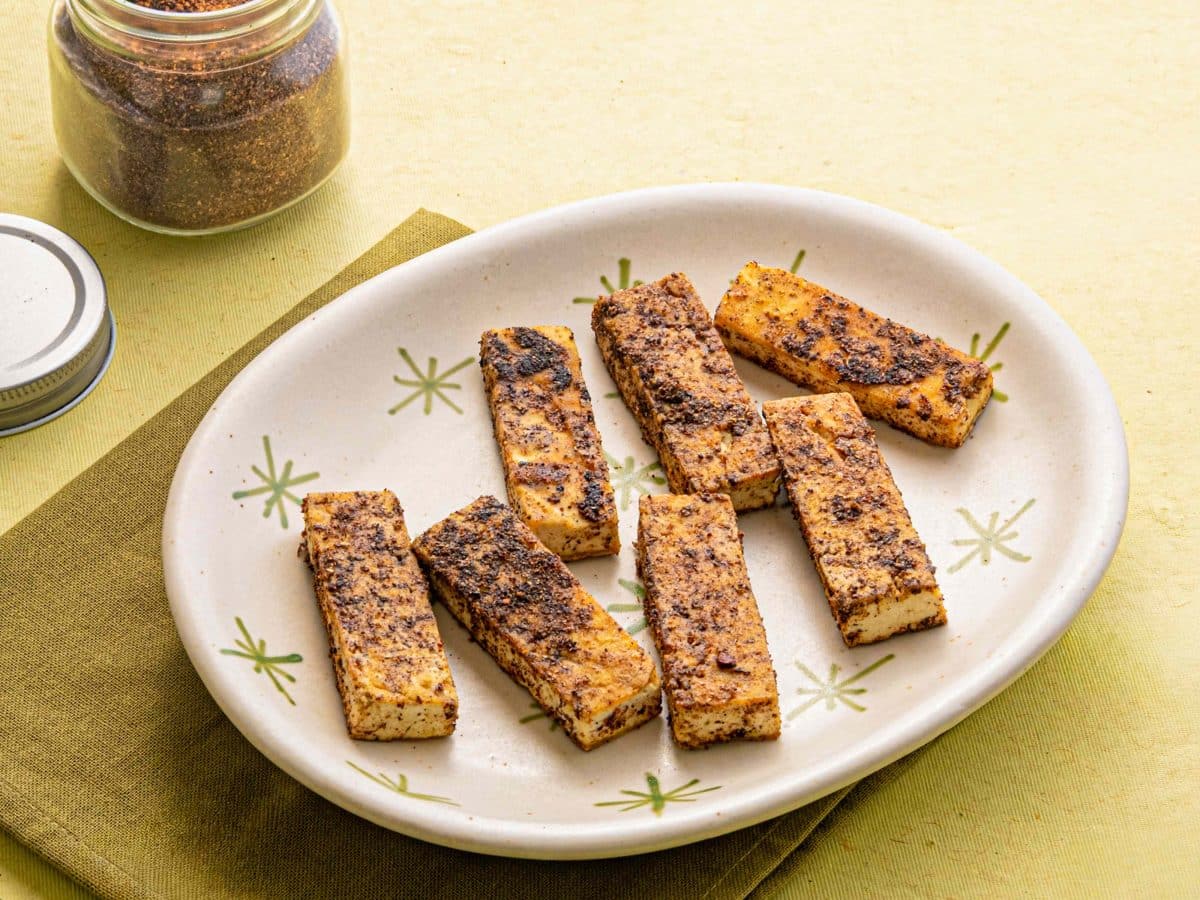
- For tofu: press and pat tofu dry, coat with a thin layer of oil, then dust with 1–2 teaspoons; pan-fry or bake until crisp.
Simple finishing ideas: stir a pinch into yogurt for a quick dip, fold into a vinaigrette, or sprinkle over steamed greens to wake up mild flavors.
Practical tips and storage
Toast whole spices carefully—overheating darkens the flavor. Grind small batches for peak aroma; powdered blends lose complexity faster than whole spices. Store the finished masala in a sealed container in a cool, dark place; it will be best within three months but remains usable beyond that.
Substitutions: if you don’t have fennel, a small amount of anise or a touch more coriander can mimic the bright note. Reduce cloves or cinnamon if you prefer a less sweet profile.
Ultimately, Sonari masala is a practical tool for cooks who want a single, flexible spice blend that elevates many dishes. Try making a small batch and adjusting the components until the balance matches your pantry and palate—its broad compatibility means experimentation is rewarded.
Irish whiskey: approachable bottles new drinkers should try today
Fishtown restaurants ranked: must-visit spots locals are raving about










