Show summary Hide summary
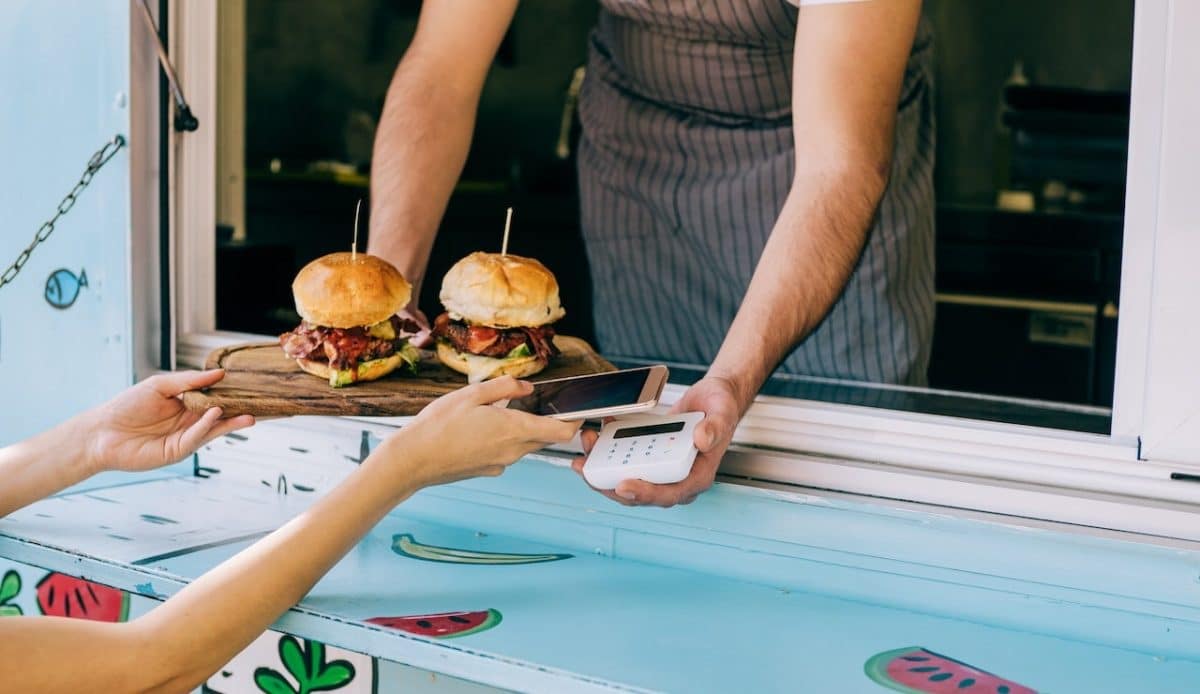
Digital tipping prompts in restaurants and drive-thrus are reshaping a once-simple interaction at the counter: a pop-up on a kiosk or a card reader now asks how much extra, if anything, a customer will leave. The change matters because it affects everyday spending, worker income and whether tipping remains a voluntary reward or becomes an expected surcharge.
As operators roll out on-screen tip options, diners are split: some see them as a polite way to thank staff, others view them as pressure to pay for service they didn’t ask for. The debate is playing out in shopping centers, suburban drive-thrus and quick-service chains across the country.
How common is tipping in quick-service settings?
Surveys and industry groups show the practice is growing but not yet widespread as a habit. A Pew Research Center poll found only about 12% of U.S. adults report leaving tips at fast-casual restaurants. Still, roughly 77% of Americans say the quality of service is a key factor in whether they tip and how much.
Caramel, butterscotch, toffee: how their differences affect your desserts
McDonald’s rebrands Twitter to honor Bubba Wallace after his first NASCAR Cup win
Those numbers underscore a gap: digital prompts are more visible now than before, but most consumers haven’t made tipping at counter-service restaurants routine.
Why customers feel uneasy
Many shoppers describe the moment a tip screen appears as awkward — a split-second decision under a cashier’s gaze or a cold touchscreen. Some report default options that start at surprisingly high percentages, which can feel like an implicit expectation rather than a choice.
One Kansas City professional told reporters he doesn’t object to tipping where it’s appropriate, but that the traditional model for fast food hasn’t included tipping — and a forced prompt can feel discordant.
Voices from the service side
People who work in customer-facing roles often see the request differently. A retail client advisor in New York said she regularly leaves tips when prompted, viewing it as a modest way to recognize public-facing labor. Others distinguish between interactions: if they merely pick up an order from a window without engaging a person, they’re less likely to tip.
The National Restaurant Association notes that employees who earn tips also receive at least their state’s minimum wage, a reminder that tipping policies interact with wage laws that vary across states.
Etiquette, history and shifting norms
A Texas etiquette consultant traced tipping’s origins to early 20th-century practices and the so-called “Prohibition era” incentives that encouraged quicker service in private transactions. Today, she argues, the customary 20% tip most people cite is intended for full-service dining rather than takeout or counter pickup.
Her practical advice: watch the screen carefully. Many terminals present preset tip percentages that can exceed familiar standards, and accepting a default without checking can add up over time.
- Know the context: Full-service restaurants and servers who tend to your table are different from takeout counters. Match the tip to the level of service.
- Read the options: Digital prompts may show 15%, 20%, 25% or flat amounts — don’t assume the middle choice is fair by default.
- Support local: Some patrons tip at small, independent spots to support local workers; others reserve tips for exceptional help.
- Choose interaction-based tipping: If you speak with staff, customize your decision; if there’s no human contact, many customers opt out.
What’s at stake
The growing ubiquity of tip prompts has two clear consequences: it can lift incomes for frontline workers when tips are genuine gratitude, but it can also normalize an extra cost for consumers if tipping becomes expected for routine transactions.
Some customers worry that omnipresent tipping will function like an added tax — a steady, implicit price increase across services. Others say the extra cents are a simple way to reward difficult, public-facing jobs.
Regulators and employers will likely play a role in how this evolves. Wage rules differ by state, and businesses can alter menus, payment terminals or service models in response to customer feedback.
Quick takeaways for readers
- Tip when service goes beyond handing you pre-prepared food.
- Don’t feel pressured by default percentages on screens — you can usually select or enter a different amount.
- Consider local norms: independent shops and chains may have different expectations.
- Track how often you’re prompted — frequent small tips add up and may change your monthly spending.
As digital prompts spread, the tipping conversation is moving from etiquette columns into everyday budgeting. Whether these payments remain voluntary expressions of thanks or become an assumed part of the bill will depend on consumer choices, employer policies and potentially new regulations — all of which will shape pocketbooks and paychecks in the months ahead.
Irish whiskey: approachable bottles new drinkers should try today
Fishtown restaurants ranked: must-visit spots locals are raving about