Show summary Hide summary
Want dinner that tastes like you spent an hour in the kitchen but takes minutes to clean up? One-pot pastas deliver bold, home-style flavors with minimal fuss — a practical choice for busy weeknights, small kitchens, or anyone trying to cut down on dishes and energy use.
What makes one-pot pasta work
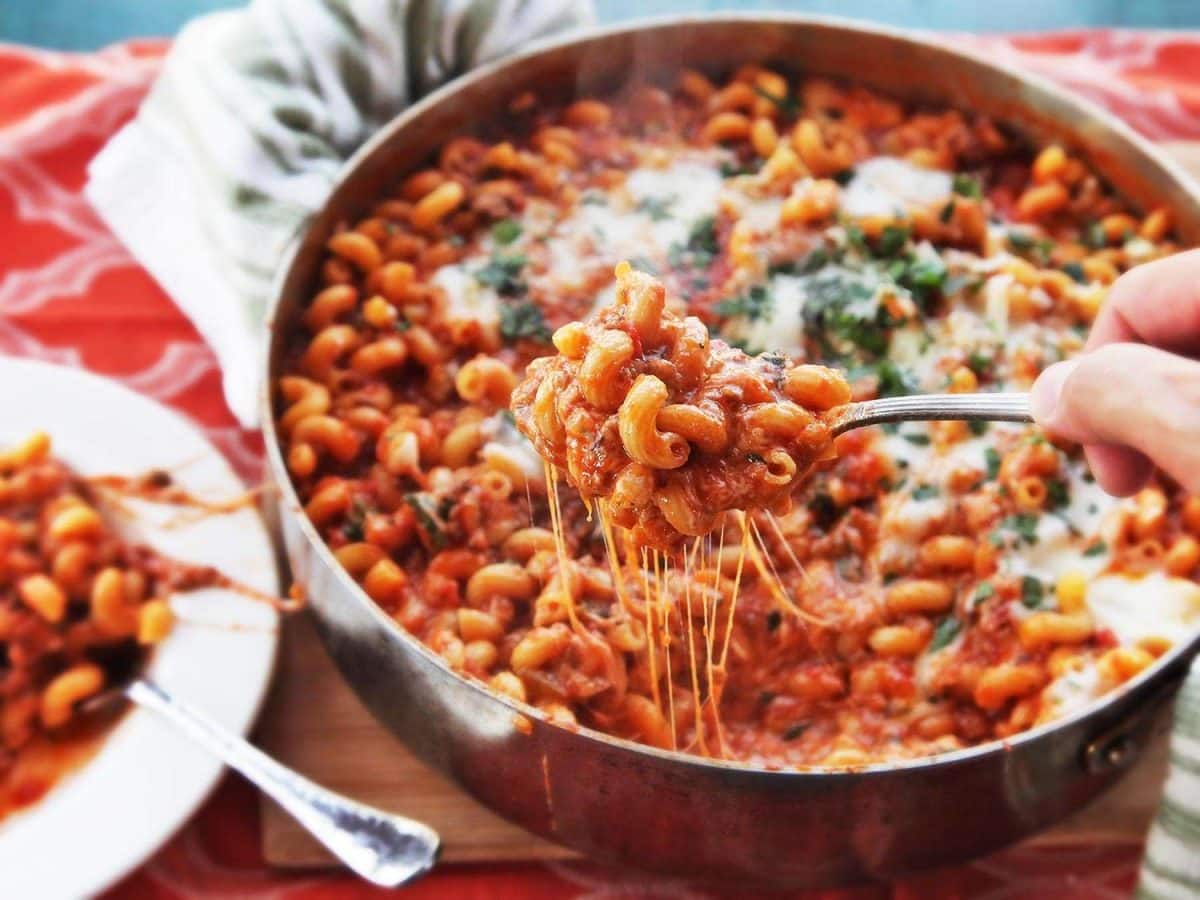
Unlike classic pasta cooking, this method drops dry pasta, sauce ingredients, and liquid together from the start. As everything simmers, the pasta releases starch into the cooking liquid, thickening the sauce and concentrating flavors. The result is a cohesive dish where noodles and sauce finish together rather than being combined at the last minute.
Caramel, butterscotch, toffee: how their differences affect your desserts
McDonald’s rebrands Twitter to honor Bubba Wallace after his first NASCAR Cup win
The technique isn’t just about convenience. It changes how ingredients interact: vegetables soften in the same broth that flavors the pasta, proteins absorb seasoning more evenly, and timing becomes more forgiving once you understand a few simple rules.
Why it matters now
- Fast, reliable dinners when schedules are tight.
- Fewer pots and pans mean less water and detergent use.
- Flexible ingredient lists let you use pantry staples and odds-and-ends.
- Good for small households or anyone cooking for one.
Quick reference: basic ratios and timing
| Component | Guideline | Notes |
|---|---|---|
| Pasta | 100 g per person (about 3.5 oz) | Short shapes like penne or fusilli work best |
| Liquid | About 3 cups per 100 g pasta | Use stock, salted water, or a mix of wine and water |
| Cooking time | Start checking 2–3 minutes before package time | Finish when pasta is al dente and sauce is glossy |
| Finishing fats | 1–2 tbsp butter or olive oil | Add at the end to enrich and smooth the sauce |
Practical tips for reliable results
Start with a wide, heavy-bottomed pot so the pasta can lay mostly flat; crowding forces uneven cooking. Salt the liquid early — it seasons the pasta as it absorbs fluid. Use room-temperature or warm liquids to avoid long heat-up times.
If you want extra creaminess, stir in cheese or a splash of cream after you remove the pan from heat. For brighter flavors, finish with lemon zest or fresh herbs right before serving.
Common mistakes to avoid
- Using too little liquid — the pasta should be mostly submerged at the start.
- Overstirring — brief, gentle stirs keep the pasta from clumping and preserve texture.
- Adding delicate greens too early — spinach or basil wilt quickly and are best folded in at the end.
Simple weekday formula to try tonight
Brown a clove of minced garlic and a small chopped onion in olive oil. Add 200 g pasta, 2½ cups low-sodium chicken or vegetable stock, a cup of halved cherry tomatoes, and a pinch of red pepper flakes. Bring to a simmer, stir occasionally, and cook until the pasta is nearly tender. Remove from heat, stir in a knob of butter and a handful of grated Parmesan, season, and serve.
Leftovers keep well for 1–2 days in the refrigerator; add a splash of water when reheating to revive the sauce. One-pot pasta also adapts easily to vegetarian or protein-forward variations: swap stock for tomato sauce, add canned beans, or finish with sautéed shrimp.
For cooks short on time but not on taste, this approach offers a practical balance: fewer steps, fewer dishes, and a plate that still feels thoughtfully prepared. Once you learn the basic rhythm — the right liquid, a watchful simmer, and a confident finish — improvisation becomes the point, not the risk.
Irish whiskey: approachable bottles new drinkers should try today
Fishtown restaurants ranked: must-visit spots locals are raving about