Show summary Hide summary
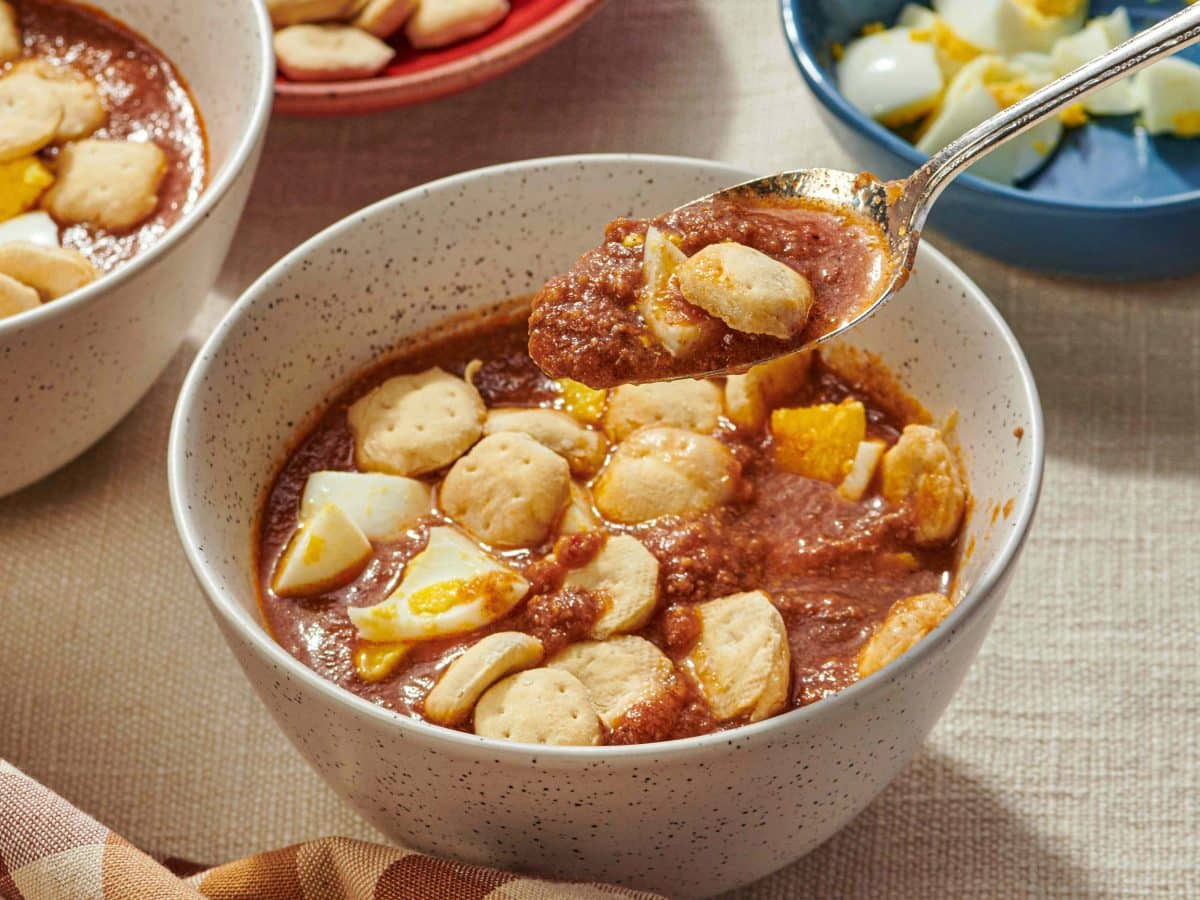
Cincinnati’s version of mock turtle soup — a bowl that blends meaty depth with a bright, vinegar lift — has quietly slipped out of mainstream menus. As chefs and home cooks revisit forgotten American recipes, this local staple offers a compact lesson in flavor economy and culinary history worth tasting again.
What makes Cincinnati’s bowl different
The city’s take on mock turtle soup emphasizes a hearty stock and a pronounced, slightly acidic finish that cuts through richness. Unlike the ornate Victorian versions made to mimic turtle meat, Cincinnati preparations are practical: economical cuts, a savory broth, and a finishing splash of tang.
Caramel, butterscotch, toffee: how their differences affect your desserts
McDonald’s rebrands Twitter to honor Bubba Wallace after his first NASCAR Cup win
That contrast — substantial body with a lively note at the end — is why the dish can feel modern even though its origins are older. It delivers immediate comfort without becoming cloying.
Quick facts
| Feature | What to expect | Why it matters |
|---|---|---|
| Base | Rich beef or veal stock | Provides a deep, savory backbone |
| Texture | Chunks of meat, sometimes dumplings or rice | Filling and homey — ideal for colder months |
| Finish | Vinegar or a tangy seasoning | Brightens the palate and balances fat |
How to recognize it on a menu
Orders that list mock turtle or refer to an old-fashioned or house-style soup are the most likely candidates. Expect a bowl that reads like a cross between a beef stew and a clear, seasoned broth rather than a creamy chowder.
Restaurants that spotlight regional heritage or run menus of classic American dishes are the likeliest places to revive it. Small, family-run delis and historic taverns often keep versions that reflect local taste rather than a prescriptive recipe.
Want to try making it at home?
- Start with a robust homemade stock or a high-quality store broth to build depth quickly.
- Use economical, flavor-forward cuts (shank, brisket, or ox tail) and simmer low and slow.
- Add an acid component near the end — cider vinegar, sherry, or a squeeze of lemon — to lift the flavors.
- Finish with simple starches: rice, small dumplings, or barley for extra body.
For cooks, the recipe is forgiving: technique and seasoning matter more than exact ingredients. That flexibility helps explain why the dish persisted in pockets of Cincinnati cuisine even as it faded elsewhere.
Why this matters now
As diners look beyond trend-driven plates and toward authentic, place-based food, rediscovering dishes like Cincinnati mock turtle soup reconnects communities to culinary roots. It also offers a practical, sustainable approach to cooking — turning modest cuts and pantry staples into something memorable.
Whether you’re following the broader movement to preserve regional recipes or simply seeking a satisfying, well-balanced soup, this local classic is worth a spot on your next menu or in your pot.
Irish whiskey: approachable bottles new drinkers should try today
Fishtown restaurants ranked: must-visit spots locals are raving about