Show summary Hide summary
Butter has moved beyond being just a baking staple — it sits at the center of conversations about flavor, health and the modern pantry. With home cooking on the rise and debates about dietary fats resurfacing, understanding what butter is, how it behaves in the kitchen and what it means for health matters now more than ever.
What butter really is
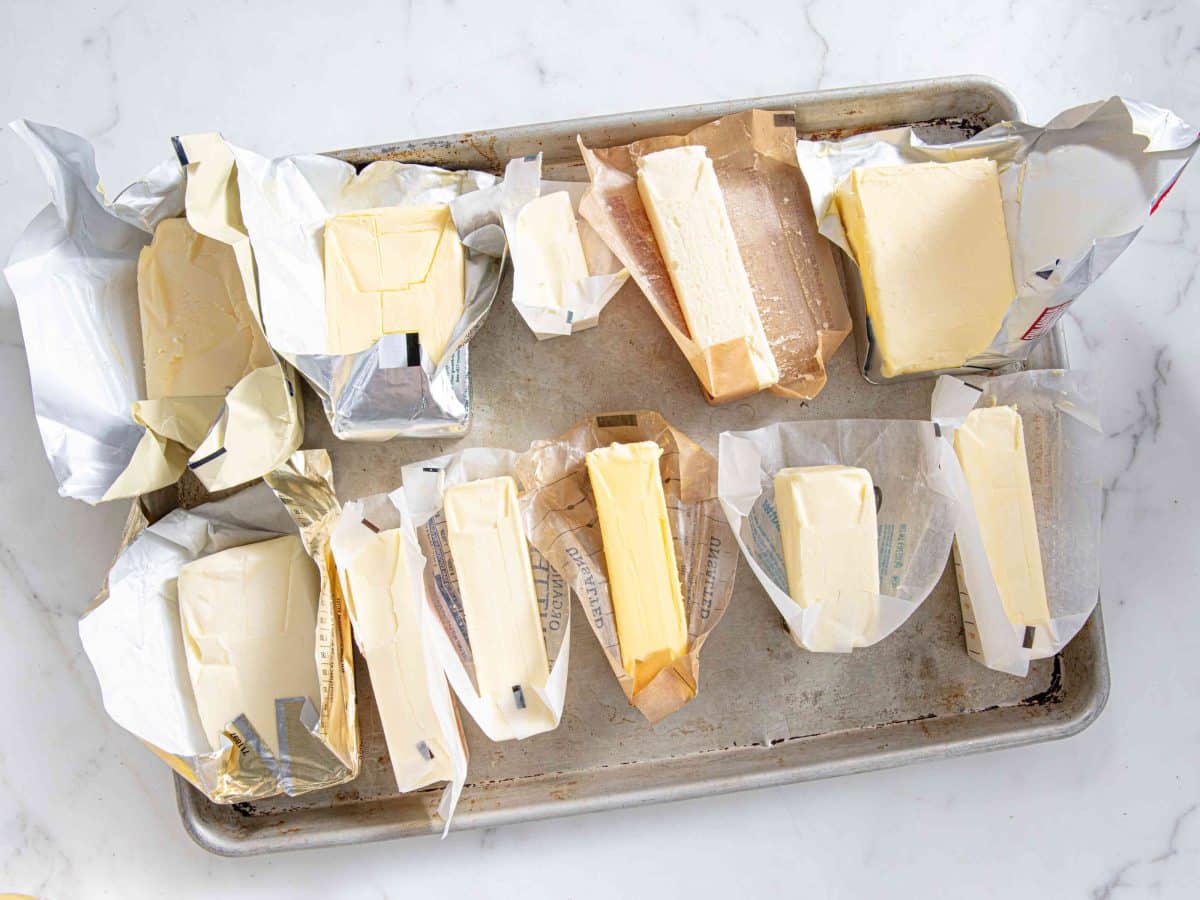
At its simplest, butter is the fat-rich product made by churning cream until butterfat separates from the liquid. The process concentrates milk fat, which gives butter its characteristic texture and flavor. Different manufacturing choices — how the cream is cultured, how much fat remains, whether salt is added — produce the variety shoppers see on shelves.
Caramel, butterscotch, toffee: how their differences affect your desserts
McDonald’s rebrands Twitter to honor Bubba Wallace after his first NASCAR Cup win
Beyond taste, butter is prized in professional and home kitchens because its composition affects performance: water content, milk solids and the fat profile determine how it melts, browns and integrates into doughs and sauces.
Types and how to use them
| Type | Flavor and texture | Best uses |
|---|---|---|
| Salted | Marked by added salt; more forgiving for table use | Spreading, finishing vegetables, general cooking |
| Unsalted | Pure dairy flavor, consistent salt control | Baking, pastries, sauces where precision matters |
| European-style | Higher butterfat, tangy notes from cultured cream | Rich pastries, laminated doughs, finishing dishes |
| Clarified (ghee) | Milk solids removed; nutty aroma when browned | High-heat cooking, long shelf life, savory finishing |
Practical kitchen tips
Working with butter changes depending on the task. For flaky pie crusts, cold, cubed butter creates pockets of steam that lift the dough. For creaming with sugar, softened butter traps air that leads to leavening.
Need to soften butter quickly? Grate it, or press it between parchment for a few seconds in the microwave on low power. To brown butter, melt slowly over medium-low until milk solids toast to a deep golden and release a warm, nutty aroma — stop just before those solids burn.
- To clarify: melt slowly, skim foam, and strain off the clear fat; the remaining solids can be discarded or used for flavor.
- Freeze extra blocks in airtight packaging; properly wrapped butter keeps well for months without flavor loss.
- Salted butter will last a little longer at room temperature for spreading, but refrigerate for longer storage.
Nutrition and what to keep in mind
Butter is calorie-dense — roughly a tablespoon provides about 100 calories and is mostly fat, including a significant portion of saturated fat. Current dietary advice from many health bodies recommends limiting saturated fat intake and balancing it with unsaturated fats from fish, nuts and vegetable oils.
That doesn’t erase butter’s culinary value. It contributes texture and flavor in ways that substitutes often struggle to replicate. The trade-off for cooks and consumers is balancing taste preferences with overall dietary patterns.
Buying decisions that matter
When choosing butter, consider three practical factors: flavor preference, cooking用途 and price. If you bake precise recipes, pick unsalted for consistent salt control. For a richer mouthfeel or laminated doughs, a European-style butter often pays off. If you cook at high heat regularly, keep a jar of clarified butter or ghee on hand.
Price and sourcing can also influence choices. Grass-fed or pasture-raised labels point to differences in animal feed and sometimes yield a slightly different flavor profile, though scientific claims about dramatic health benefits remain mixed.
Why it matters today
There are three practical reasons butter is worth understanding right now: cooks are returning to home kitchens and seeking reliable techniques; public conversations about dietary fat have re-emerged, affecting consumer choices; and supply-chain and price shifts have made butter a more scrutinized pantry item.
For readers: knowing how to store, use and substitute butter helps reduce waste, control flavor and make informed dietary decisions.
Quick reference: single-tablespoon guide
- Typical calories: ~100 per tablespoon
- Primary components: fat (mostly saturated), water, milk solids
- Best cooking range: low to medium heat for many applications; clarified butter for higher temperatures
Butter remains a small but influential ingredient: modest in weight, big in effect. Knowing when to use it, when to swap it and how to handle it in the kitchen helps you get consistent results—and makes it easier to weigh its place in a healthy, flavorful diet.
Irish whiskey: approachable bottles new drinkers should try today
Fishtown restaurants ranked: must-visit spots locals are raving about