Show summary Hide summary
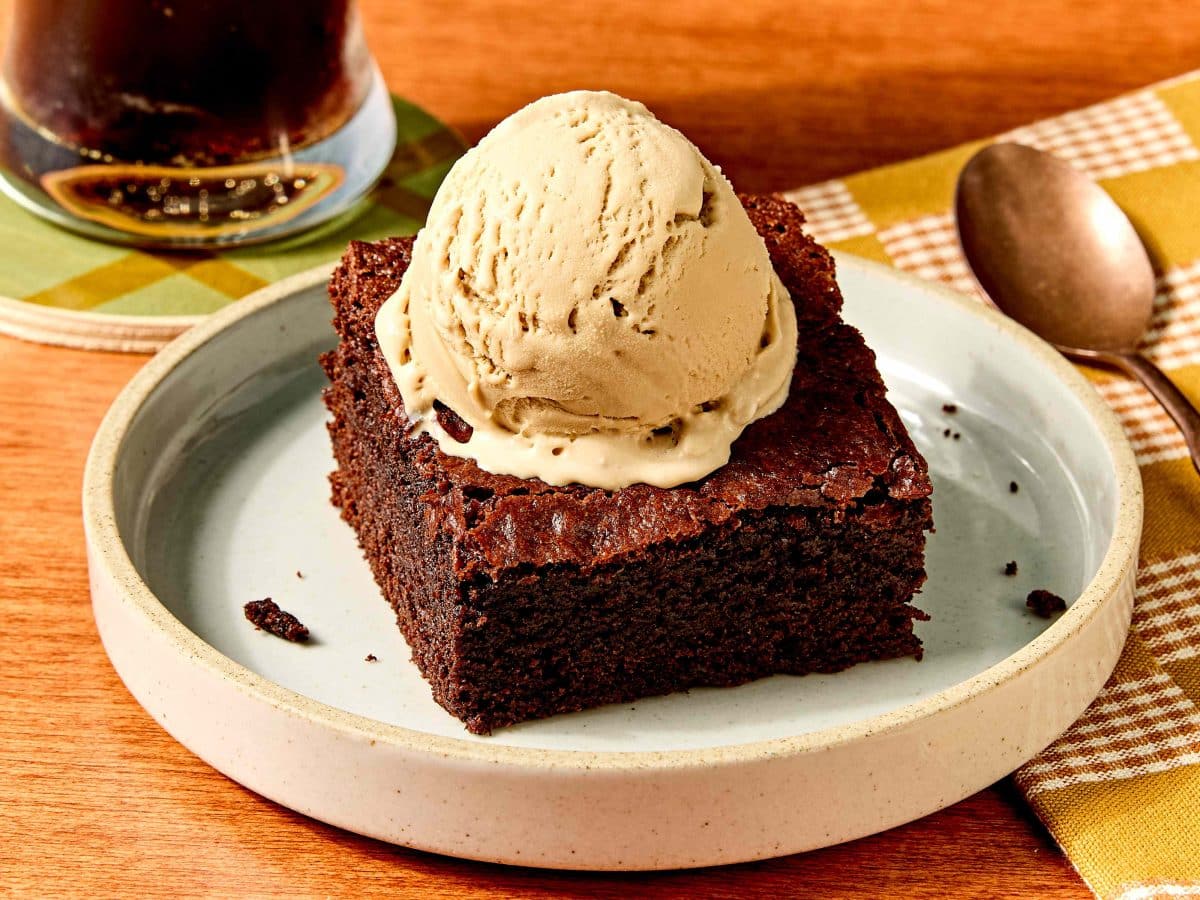
With St. Patrick’s Day approaching, a simple pantry swap can turn everyday brownies into a richer, more layered dessert: add stout. Using a beer like Guinness brings malty, roasted notes that deepen chocolate without overwhelming it—an easy trick for anyone who wants a more complex brownie from familiar ingredients.
Stout’s roasted barley and subtle bitterness complement cocoa, sharpening dark chocolate flavors while adding a faint coffee-like backbone. Most of the alcohol evaporates during baking, leaving behind aroma and mouthfeel rather than boozy bite, so the result is a denser, more aromatic brownie rather than an alcoholic confection.
Why stout works with chocolate
The chemistry is straightforward: roasted malts share flavor compounds with cocoa—think caramelized sugars, toasty notes, and a roasted edge. When folded into the batter, a stout enhances perceived cocoa intensity and can make a mid-range chocolate taste closer to something richer and darker.
Caramel, butterscotch, toffee: how their differences affect your desserts
McDonald’s rebrands Twitter to honor Bubba Wallace after his first NASCAR Cup win
Texture-wise, the extra liquid can help produce a fudgy interior if you slightly reduce other liquids or increases fat. Use it as an accent rather than a replacement: too much beer risks thinning the batter and changing bake time.
Practical tips for bakers
- Start small: replace about 1/4 to 1/3 cup of the liquid in a standard brownie recipe with stout to test the flavor impact.
- Choose the stout to match your goal—lighter dry stouts keep it subtle; sweeter milk stouts add creaminess; imperial stouts supply intense roast and chocolate notes.
- If you’re worried about alcohol, bake until a toothpick shows moist crumbs but not raw batter; that will remove most volatile alcohol and concentrate flavors.
- Balance sweetness: a darker stout can bring bitterness—compensate with a touch more sugar or a sprinkle of flaky salt on top.
- For non-alcoholic alternatives, use strong brewed coffee or malt extract for similar depth without beer.
Stout guide: how different beers change the result
| Type of stout | Flavor effect | Best match |
|---|---|---|
| Dry stout (e.g., classic Guinness) | Subtle roast, slightly bitter, smooth finish | Everyday brownies—darkens flavor without sweetness |
| Milk stout | Creamy, sweeter, fuller mouthfeel | When you want fudgier texture and a sweeter profile |
| Imperial stout | Powerful roast, chocolate and espresso notes | For an intense, grown-up brownie—use sparingly |
Small additions can change the impression dramatically: a teaspoon of instant espresso will amplify chocolate, flaky sea salt brightens flavors, and chopped dark chocolate folded in at the end guarantees pockets of molten richness. If you’re serving guests, let warm brownies rest a few minutes so aromas settle—stout’s malty notes are more noticeable slightly cooled.
Using beer in baking is not a gimmick but a flavor tool. For cooks looking to update a classic or impress at a holiday gathering, a splash of stout is one of the simplest ways to make chocolate taste deeper, darker, and more interesting without changing technique.
Irish whiskey: approachable bottles new drinkers should try today
Fishtown restaurants ranked: must-visit spots locals are raving about