Show summary Hide summary
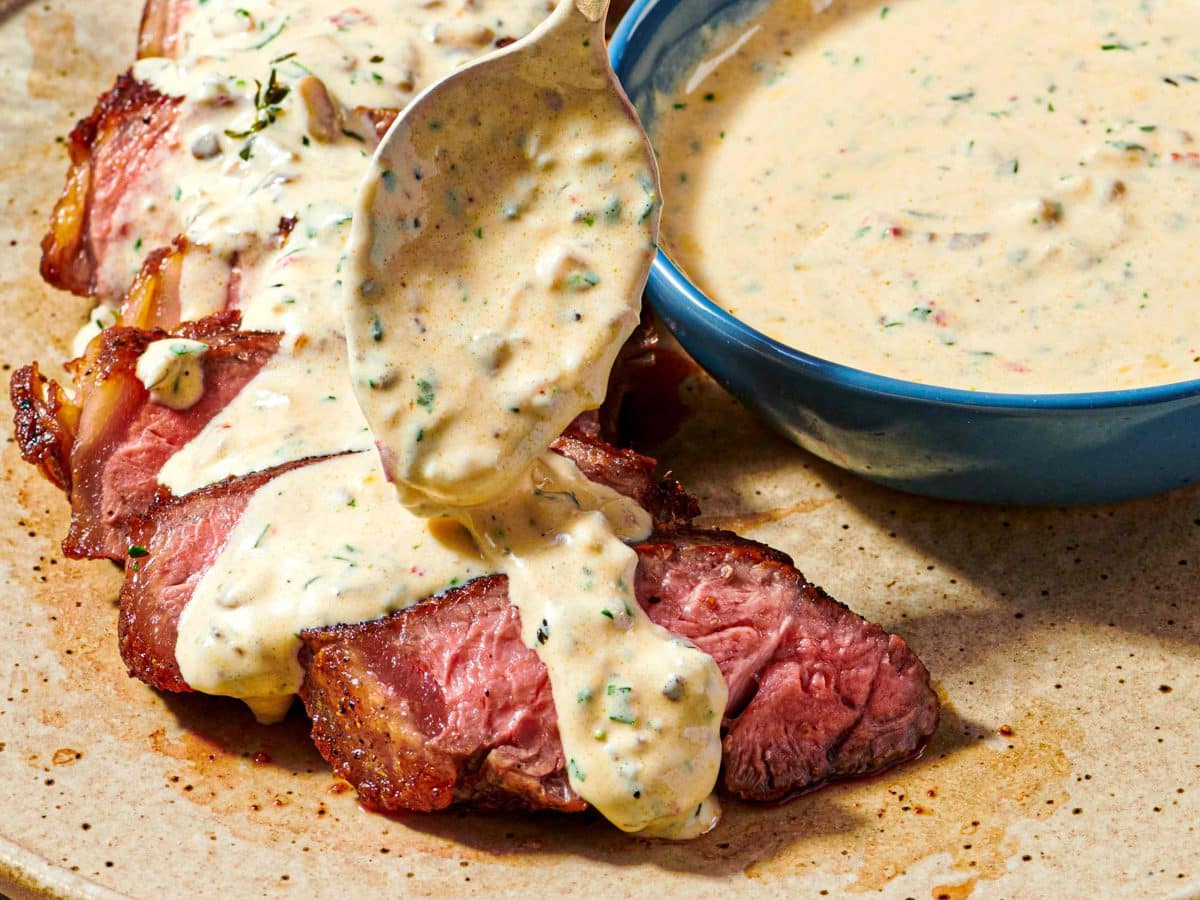
If you want to lift a weeknight steak beyond the usual butter-and-salt routine, a bold sauce can do most of the heavy lifting. A smoky, velvety chipotle–blue cheese sauce gives grilled beef an immediate punch—smoke, heat and a tangy richness that shortens the distance between home cooking and restaurant-level flavor.
The appeal is straightforward: the smoked heat of chipotle cuts through the fatty meat while the sharp, salty edge of blue cheese adds depth and a savory anchor. That contrast makes every bite feel layered rather than one-note, and it’s quick to assemble, which matters for home cooks pressed for time.
What makes it work
Caramel, butterscotch, toffee: how their differences affect your desserts
McDonald’s rebrands Twitter to honor Bubba Wallace after his first NASCAR Cup win
At its core the sauce relies on three complementary elements. Smoke and spice from the chipotle create warmth; dairy—typically cream, crème fraîche, or sour cream—softens the heat and adds body; and the blue cheese contributes saltiness and umami. Together they produce a spreadable, spoonable condiment that clings to a cut of beef instead of running off.
Because the components are intense, you can use small amounts of the sauce to transform a steak without overwhelming it. That economy of flavor is one reason chefs and cooks are turning to punchy finishing sauces more often than traditional pan sauces or compound butters.
Quick guide for home cooks
- Core ingredients: chipotle in adobo (or ground chipotle), heavy cream or crème fraîche, and a firm blue cheese such as Gorgonzola or Stilton.
- Texture control: simmer briefly to meld flavors, then whisk until smooth. To thin, add a splash of milk or reserved cooking juices; to thicken, reduce gently over low heat.
- Balance tips: if the sauce tastes too salty, brighten it with a squeeze of lemon or a small spoonful of honey to round the edges.
- Timing: you can make it while the steak rests—about 5–10 minutes—so the sauce and meat are ready at the same time.
Choosing the right blue cheese matters. Milder, creamier varieties blend more easily and produce a smoother finish; stronger, crumbly types deliver pronounced funk and a drier texture. Likewise, whole chipotle peppers give a tomato-like smokiness, while ground chipotle or chile flakes deliver a cleaner, drier heat.
Serving suggestions and pairings
This sauce pairs best with steaks that carry some fat—ribeye, New York strip, or a well-marbled hanger steak—because the fat mellows the sauce’s intensity. It also works as a finishing dollop for grilled portobello mushrooms or roasted cauliflower for vegetarian versions.
For drinks, lean toward robust, fruit-forward reds (Malbec or Zinfandel) or a malty amber ale; their fruit and caramel notes stand up to both smoke and blue cheese. Simple sides—grilled asparagus, roasted potatoes or a peppery arugula salad—keep the plate balanced.
Practical notes: store leftovers in an airtight container in the refrigerator for up to three days. Reheat gently to avoid breaking the sauce; a low simmer with a splash of cream will bring it back together. If you’re serving a crowd, make a milder batch and offer extra chipotle on the side so guests can adjust heat to taste.
At a time when many are looking to recreate bold restaurant flavors at home without complicated technique, this kind of sauce delivers strong returns for modest effort. It’s a simple shortcut to a more interesting steak—and a reminder that a few assertive ingredients can change a meal’s direction.
Irish whiskey: approachable bottles new drinkers should try today
Fishtown restaurants ranked: must-visit spots locals are raving about