
Show summary Hide summary
I used to equate “fresh” with “best” when it came to vegetables—until an out-of-season purchase taught me otherwise. A tasteless bag of January peas pushed me to try frozen peas the next night; they delivered the sweetness and texture the fresh ones lacked, and they’ve been a grocery staple ever since. That small switch illustrates a larger trend: frozen vegetables often preserve peak flavor and nutrients, which matters now as grocery prices rise and food waste becomes more visible.
Why freezing can beat a short season
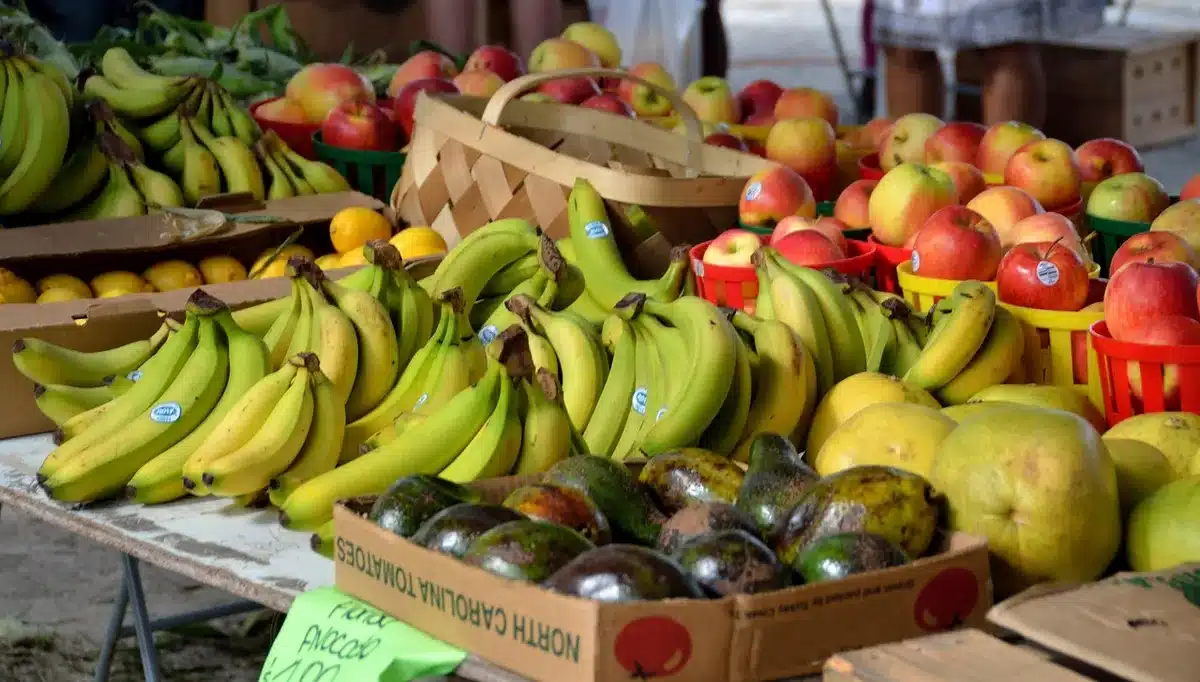
Many vegetables begin losing sweetness almost as soon as they are harvested because their natural sugars convert to starch. That change can happen within hours, so produce that looks “fresh” on a supermarket shelf may already be past its prime.
Caramel, butterscotch, toffee: how their differences affect your desserts
McDonald’s rebrands Twitter to honor Bubba Wallace after his first NASCAR Cup win
Commercial producers typically harvest at peak ripeness, briefly treat the produce, and then rapidly chill it. Two processes are important: blanching—a quick dunk in boiling water—reduces surface microbes and halts certain degradative enzymes, and flash-freezing locks in flavors and sugars almost immediately.
The speed of freezing matters. Industrial systems freeze vegetables within minutes; household freezers do not. Fast freezing forms smaller ice crystals, which do less damage to cell walls. Slower freezes produce large crystals that rupture cells and lead to a mushier texture when the food thaws.
What this means for shoppers
Frozen vegetables can be more flavorful, less wasteful, and often cheaper than buying off-season fresh produce. They’re also convenient: many come prepped and ready for the pan or pot, which cuts prep time and kitchen spoilage.
- Peas — Picked and frozen at their sweet peak; great in salads, pastas, and quick sautés.
- Corn — A solid substitute outside summer: use it in chowders, salads, or casseroles.
- Spinach — Ideal for cooked dishes like dips, curries, and lasagna where texture is softened by heat.
- Broccoli — Works well in soups, stir-fries, and sheet-pan dinners when you want convenience without sacrificing structure.
- Green beans — Perfect for stir-fries and soups; they retain color and bite when cooked correctly.
How to cook frozen vegetables so they shine
Resist the instinct to thaw. When frozen vegetables defrost, the released water pools and dilutes flavor while making textures limp. For most applications, add them straight from the freezer to a hot pan or a simmering pot.
High heat is your ally: it vaporizes surface ice quickly and shortens the time vegetables spend sitting in released water. That helps them retain bite and concentrate flavor. For best results:
- Stir-fries and sautés: Add frozen veg to a very hot pan and toss until the extra moisture cooks away and the pieces get a little color.
- Soups and stews: Drop frozen vegetables into simmering liquid late in the cook time so they don’t overcook.
- Dips and blended dishes: Thaw in a sieve and press out excess water, or briefly steam and drain before pureeing.
Quick seasoning adjustments—salt later in the cook, add acid (lemon or vinegar) at the end—will help brighten flavors that can otherwise seem muted after freezing.
Food safety and storage notes
Blanching and freezing slow microbial growth, but they don’t sterilize food. If frozen vegetables thaw in the refrigerator or on the counter, any surviving bacteria can resume growing. Avoid refreezing previously thawed vegetables unless you cook them first.
Keep an organized freezer: rotating stock and labeling packages with dates reduces the risk of forgotten, freezer-burned bags. A well-maintained frozen produce stash can cut grocery trips and reduce waste.
A practical takeaway
Frozen vegetables are not a lesser substitute by default. When harvest windows are short or pantry convenience matters, they often offer equal or superior taste and nutrition. With a few simple cooking habits—most importantly, cook from frozen and use high heat—you can get better flavor, save money, and avoid letting fresh produce go to waste.
Irish whiskey: approachable bottles new drinkers should try today
Fishtown restaurants ranked: must-visit spots locals are raving about