
Show summary Hide summary
Belly Fat: Not Always the Enemy, But…
Society’s beauty ideals have most of us on a relentless quest to get rid of belly fat, sometimes turning kitchens into battlegrounds. But here’s the kicker: abdominal fat in reasonable amounts poses no threat to our health. Really! It’s only when belly fat levels spiral out of control that it becomes a real health hazard.
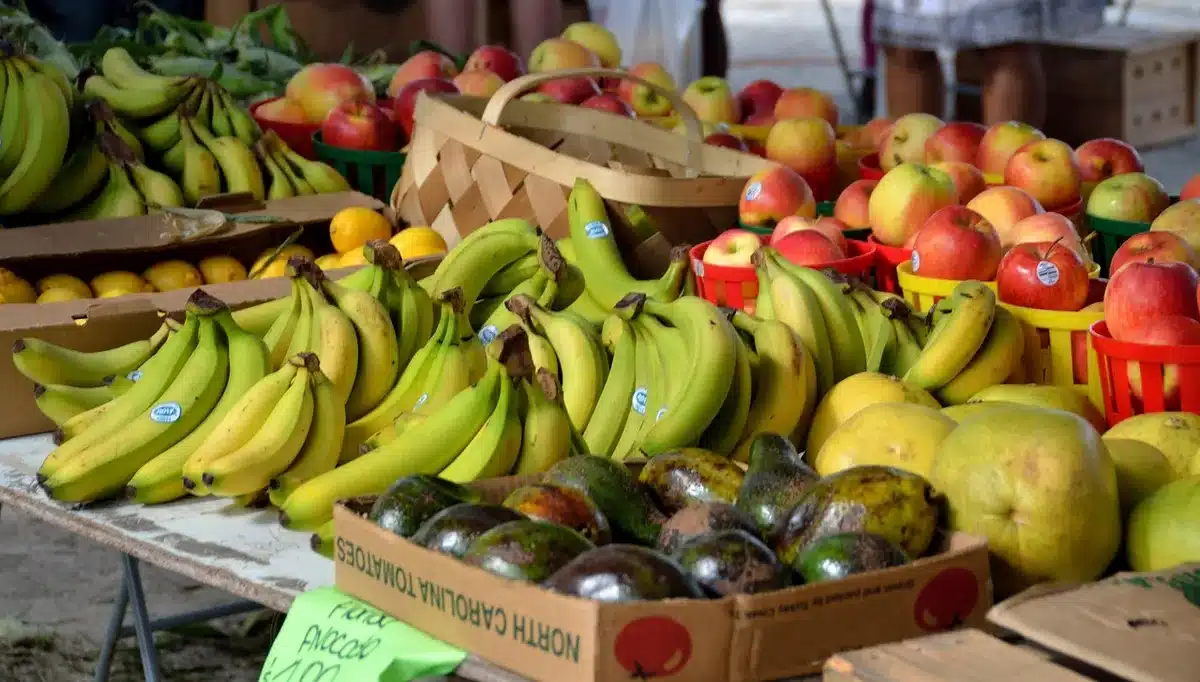
Interestingly, while foods like avocado can help reduce visceral fat (that’s the fat surrounding your internal organs), other foods do the opposite—and not always the ones you’d expect.
Caramel, butterscotch, toffee: how their differences affect your desserts
McDonald’s rebrands Twitter to honor Bubba Wallace after his first NASCAR Cup win
Sugar: A Sweet Trap
To stay healthy, it’s essential not to go overboard with sugar. Public health agencies, including the World Health Organization (WHO), are absolutely clear about this: the maximum recommended daily sugar intake is 25 grams, or about 6 teaspoons. (Yes, those little spoons you stir your coffee with.)
Foods and drinks rich in added sugars can make that quota skyrocket—sometimes before lunch is even over. That excess sugar doesn’t just disappear: it winds up fueling visceral fat big-time.
Here’s what happens: when your blood sugar exceeds what your body can use, your system transforms the extra into fat for storage, particularly around the abdomen. Still think that can of soda is worth it?
A scientific study published in 2020 in the European Journal of Preventive Cardiology backs this up, showing that long-term consumption of added sugars and sugary drinks is linked to a higher percentage of visceral fat in the populations studied.
The Sneaky Calories in Alcohol
Alcoholic beverages may not seem all that dangerous, but they’re usually loaded with calories. Drinking just one alcoholic drink can be enough to blow your calorie allowance for the day, making it much harder to keep your body weight in check—and easier to accumulate belly fat.
According to Melissa Rifikin, a registered dietitian-nutritionist interviewed by the US magazine Eat This:
Another element often associated with abdominal fat is alcohol. While small amounts of alcohol can certainly offer real health benefits, too much alcohol can cause inflammation, have a negative impact on the liver, and result in excess belly fat.
Fat Types and Refined Grains: Know Your Enemies
Not all fats are created equal. While some are considered healthy, others are decidedly not. In particular, trans fats are widely viewed by nutritionists as the least healthy—much more so than saturated or unsaturated fats.
And then there’s the grain debate. Refined grains are worlds apart from whole grains. Through industrial milling, they lose many of their nutrients and fiber, as the bran and germ are stripped out. Why? So they last longer on the supermarket shelf, of course (looking at you, white rice and white flour!). But here’s the trade-off: these types of grains and carbs are notorious for promoting belly fat.
- Sugar-packed foods and drinks
- Alcoholic beverages
- Trans fats
- Refined grains (such as white rice and white flour)
So, the next time you reach for that white bread or knock back a sugary drink, remember—they might just be the quiet contributors to that stubborn belly fat. Moderation—and a little label reading—can go a long way!
Irish whiskey: approachable bottles new drinkers should try today
Fishtown restaurants ranked: must-visit spots locals are raving about