Show summary Hide summary
Why That Belly Fat Is So Stubborn
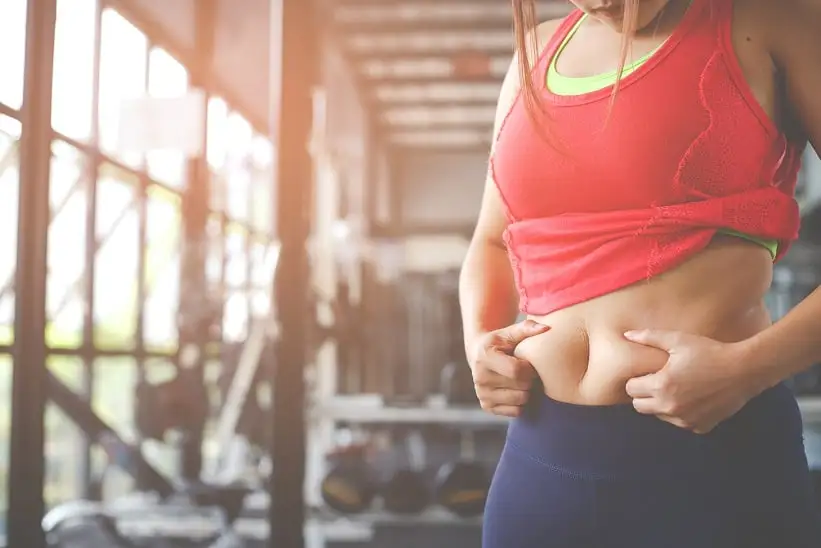
There are a number of reasons why you may be holding onto abdominal fat, including those infamous “love handles” and that ever-persistent little belly bulge. Here are some of the top factors that contribute to extra fluff around the waist:
- Poor dietary habits
- Lack of regular physical activity
- Hormonal imbalances
- Genetic predisposition
- High stress levels
- Not enough quality sleep
It’s also crucial to note that excess belly fat—including those love handles—is linked to health issues such as type 2 diabetes, heart disease and high blood pressure. So, keeping a healthy weight and a toned figure isn’t just for aesthetics. If in doubt, check with your doctor or a qualified health professional for advice tailored to your needs.
Caramel, butterscotch, toffee: how their differences affect your desserts
McDonald’s rebrands Twitter to honor Bubba Wallace after his first NASCAR Cup win
Flat Belly Game Plan: Food, Fitness, and Focus
To shed those extra pounds and melt away love handles, you need more than a crash diet. Yes, a balanced diet is key, but targeted exercise routines can help reduce water retention and boost your skin’s elasticity in those tricky spots. Ladies, grab your favorite pair of leggings—it’s time for a workout session that actually delivers that dreamy flat stomach!
If you really want to say goodbye to your love handles, the secret lies in focusing on the muscles around that zone. They’re the key to burning off that fat! To keep your waistline trim, work mainly on your obliques and the deep core muscles. Three to four sessions a week with targeted exercises—think lateral planks, oblique V-ups, or bicycle crunches—should work wonders in no time. And don’t forget about stretching! Stretching boosts your skin’s elasticity, helps decongest fat, and saves you from nasty muscle soreness.
The Expert Moves: Routines to Tone and Burn
- Oblique V-up: This one works your abdomen and helps banish love handles. It also strengthens the muscles along either side of your waist. To level up, do 4 sets of 20 reps. Fair warning: it’s no beginner move—it’s for those with an established fitness routine.
- Box Jumps: Think squats, only harder. If exercise is already your thing, this is for you! Simply jump up from the floor onto a wooden box, holding a squat position as you land. Pure burn, pure results.
- Deadlift: For the fitness fans who want to try deadlifting, know that it’s a powerhouse move working every muscle down your back, through the abs, all the way to your thighs. It’s how you build real functional strength.
- Burpees: Probably the toughest on the list, and the ultimate calorie burner. Burpees combine jumping, push-ups, and planking—all in one motion. It’s brutal, but your body will thank you.
All these moves challenge your cardiovascular endurance, muscle resistance, strength, and mass. Do four sets of 20 reps a day for several days and watch those abs start to pop!
The Truth About Losing Love Handles
Let’s bust a myth: there’s no single “best” sport to lose love handles or any kind of body fat. The key is always going to be burning more calories than you take in, which you can do in countless ways. Find a physical activity you enjoy and can stick with regularly. Regular exercise is essential for a toned, fit body—but don’t overlook a balanced diet and getting enough sleep, both crucial for weight loss.
Another hard truth: there’s no “quick and easy” method for losing love handles or body fat. Weight loss and especially reduction of abdominal fat usually take time and perseverance. Slow and steady absolutely wins this race.
“Sure, we’ll admit it—sporting a flat tummy with visible abs would make us proud. But abs aren’t just for show… they have real biological functions and help us stay in shape.”
Your core muscles do more than just look good. Abs keep your torso upright and aren’t just up front—they extend to your sides and attach at the back, around your lower back. This is what’s called the abdomino-lumbar belt. The deepest muscle, the transverse abdominus, keeps your spine stable and prevents your stomach from sticking out. The “rectus abdominis” (your classic ‘six-pack’) runs from chest to pubic bone, helping you sit up straighter and, together with your glutes, stops your back from arching too much.
Your abs also keep your innards where they’re supposed to be (think: intestines, stomach, liver, spleen, pancreas, bladder, uterus, and ovaries). If your abdominal wall gets too slack, everything pushes forward and south (thanks, gravity). The transverse acts like a corset, holding your guts tight and giving your belly that flat appearance. A weak core could very well be behind that pesky belly you’d rather not have.
There’s more! The diaphragm—the main muscle for breathing—drops as you inhale, pushing your organs down and opening your rib cage. When you breathe out, the diaphragm rises, helped by your abs contracting. This muscle teamwork is crucial during cardio workouts (like running, cycling, swimming or HIIT) where your cardiovascular system is pushed to its limits. Strong abs help you breathe better; weak abs mean the diaphragm can’t do its thing, which leads to breathlessness or even shortness of breath—so training your abs pays off in more ways than one.
Abdominal muscles even massage your organs, keeping your digestive system happy. They improve the secretion of enzymes in your intestines and stomach, help empty the stomach, and promote smooth digestion. Weak abs can result in “lazy stomach” syndrome—slow digestion, discomfort, maybe even constipation. Better to work those abs than deal with those unglamorous side effects!
In English, “core” means nucleus—the training that targets the pillar of your body. This work improves your balance, stability, and mobility, and balances muscle tone between your upper and lower body. Engaging your deep abdominals and lower back means better posture, a harmonious silhouette, and more balanced strength. You’ll find every-day and functional movements—like running, carrying weights (or groceries, or your kids!), jumping, and twisting—become stronger and more efficient. It’s not just a fitness thing; it’s a life thing.
And when you train your abs, you boost blood circulation. Small arteries in active muscles dilate, creating a kind of self-massage for your veins and helping oxygen-poor blood return to the heart—vital for any athlete. Your abs also help your diaphragm act as a pump to encourage venous return.
Let’s not forget, stronger abs help in every sport. In running, your abs—often ignored—are essential for correct spine and pelvis alignment. A strong core means the energy of each stride runs up your body instead of getting lost in a jiggly torso. The same goes for swimming: better core, better strength, better hydrodynamic position (so you swim faster and farther). In fitness? You’re stronger, you move better, you jump higher, you’re quicker on your feet. So what are you waiting for?
Irish whiskey: approachable bottles new drinkers should try today
Fishtown restaurants ranked: must-visit spots locals are raving about