
Show summary Hide summary
The Mediterranean Diet: Health Hero with a Side of Science
In a recent study, Spanish researchers highlighted the powerful benefits of the Mediterranean diet on body fat in older adults, demonstrating not only reduced cardiovascular risk but also improvements we can really see—and maybe even feel! If you’re new to the term, the Mediterranean diet (sometimes called the Cretan diet) has long been celebrated for its broad health advantages, from lowering the risk of cognitive decline and certain cancers to helping with issues like erectile dysfunction. But it looks like its magic also works for reducing body fat, specifically in older adults.
This isn’t just speculation. Published on October 18, 2023, in the journal JAMA Network Open, a Spanish study dug deep, examining data collected over eight years from a randomized clinical trial conducted in Spain. The trial focused on how changes in diet and exercise could impact cardiovascular health for adults aged between 55 and 75, all with overweight or obesity.
Caramel, butterscotch, toffee: how their differences affect your desserts
McDonald’s rebrands Twitter to honor Bubba Wallace after his first NASCAR Cup win
Cutting Down Fat the Mediterranean Way
The spotlight was on visceral belly fat, the notorious “bad fat” that accumulates deep inside the abdomen, around your organs and between your muscles—a scary place for it to be. The study tracked the results in 1,521 participants over one and three years. Half the group adopted a Mediterranean diet with a 30% reduction in calories, ramped up their physical activity (at least 45 minutes of walking a day), and received personalized support from registered dietitians.
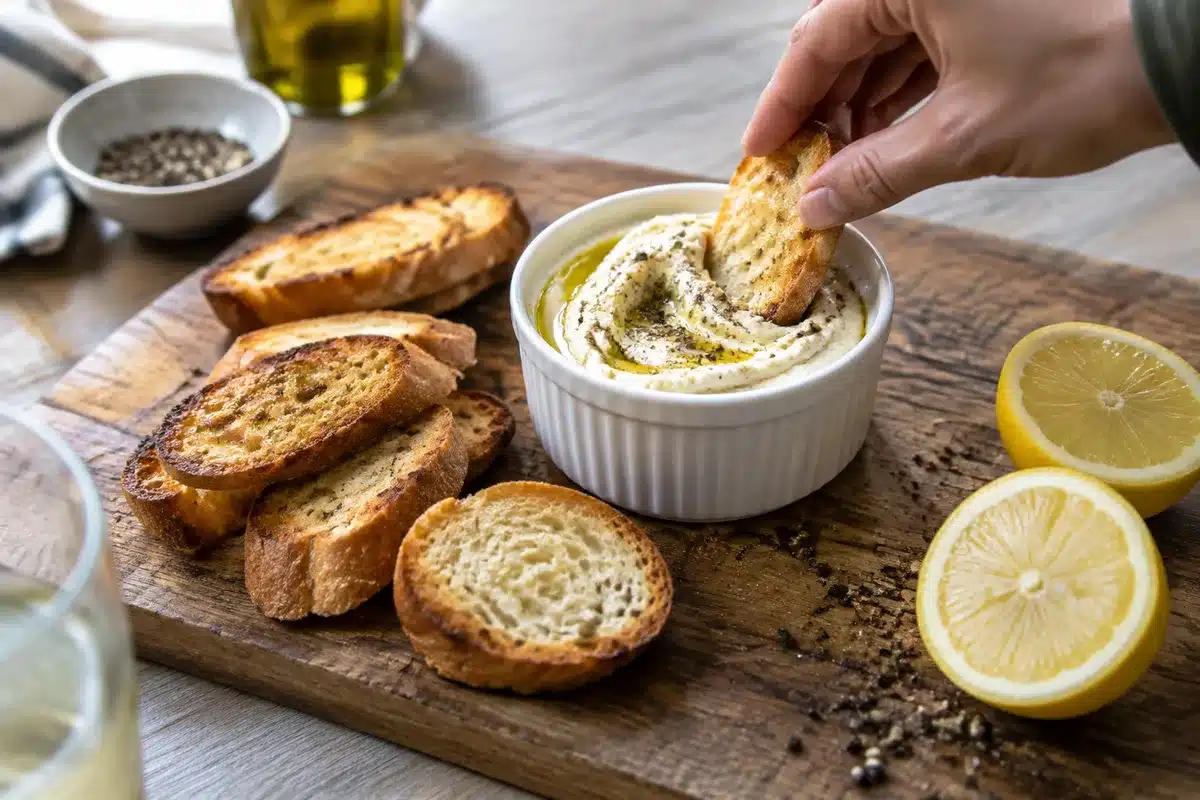
The Mediterranean diet itself champions variety and balance. According to public health agencies like the UK’s NHS, it features:
- Plenty of fruits and vegetables
- Whole grains and beans
- Seeds and extra-virgin olive oil
On the other hand, it limits foods like butter, sugar, red meat, eggs, and dairy. Beyond a style of eating, it’s also a lifestyle that encourages physical activity and lively social meals. Its health credentials? High in vitamins, antioxidants, fiber, and omega-3s, while keeping ultra-processed foods to a minimum.
What Did the Study Actually Show?
The results might just change your next shopping list. After one year, participants who followed the Mediterranean plan saw at least a 5% improvement in their body composition. To get specific: they experienced a 13% decrease in total body fat, an 11% reduction in total lean mass, and a 14% drop in visceral fat—compared to those in the control group. However, some of this lost fat did return in years two and three, with overall reductions levelling off at 6% for both total fat and lean mass, and 8% for visceral fat. Still, these numbers are nothing to scoff at!
“This study shows that a calorie-controlled Mediterranean diet combined with physical activity not only leads to weight loss, but also shifts body composition from fat to muscle,” said David Katz, a specialist in preventive and lifestyle medicine, in an interview with CNN.
The scientists paid special attention to visceral belly fat because it’s linked with risks like diabetes, heart disease, and stroke—particularly in older adults. According to the researchers, these findings suggest that a greater reduction in overall body fat over time may be needed to tackle stored visceral fat in overweight or obese adults aged 55 or older.
Implications for Public Health—and Your Dinner Plate
What could this mean beyond the lab? The authors caution that larger and longer-term studies are still needed, but they’re optimistic. Targeted interventions that focus on reducing problem areas like visceral fat could make a real difference in the health of older adults at risk.
“We now need to provide supportive environments and resources to help people make this shift, as it will benefit both individuals and society as a whole,” said Walter Willett, a professor at Harvard Medical School, speaking with CNN.
In summary, bringing a little Mediterranean style to your meals might not just please your palate—it could shift your health for the better. But as any good scientist (or seasoned dieter) will tell you, ongoing support and follow-up are key to confirming just how long-lasting these benefits can be.
Irish whiskey: approachable bottles new drinkers should try today
Fishtown restaurants ranked: must-visit spots locals are raving about