
Show summary Hide summary
Timing matters with avocados: their ideal eating window is narrow, and that can derail weeknight dinners or a game-day spread. Recent kitchen trials clarify which household techniques reliably change ripening pace—and which shortcuts do more harm than good.
Why avocados behave differently from other fruit
Unlike apples or peaches, avocados finish their development on the tree but only begin to soften after they are harvested. That means growers and shippers focus on slowing ripening to keep fruit marketable, while home cooks generally want the opposite: fast, predictable softness.
Caramel, butterscotch, toffee: how their differences affect your desserts
McDonald’s rebrands Twitter to honor Bubba Wallace after his first NASCAR Cup win
Commercial handlers accomplish delayed ripening with controlled cold, reduced oxygen, added carbon dioxide and coatings. At home, you don’t have those tools—so you work with what you do have: temperature, ethylene-producing fruit, and storage method.
How to tell if an avocado is ready
Skin color can be misleading because it varies by variety and growing conditions. The most reliable check is feel: press gently near the stem end. If there’s a slight give, the avocado is likely ready to eat; rock-hard means not ripe, while very soft or mushy indicates overripeness.
Two common invisible flaws—dark internal streaks and coarse, woody fibers—cannot be detected from the outside. These defects become more frequent late in the growing season and under extreme weather conditions, so a perfectly attractive exterior is no guarantee of flawless flesh.
The ethylene factor and what actually speeds ripening
Ripening is driven by ethylene, a plant hormone released by fruit. Increasing local ethylene concentration speeds the process; reducing it slows ripening.
Practical approaches at home:
- Paper bag alone: Typical result is ripening in about three to five days at room temperature for firm supermarket avocados.
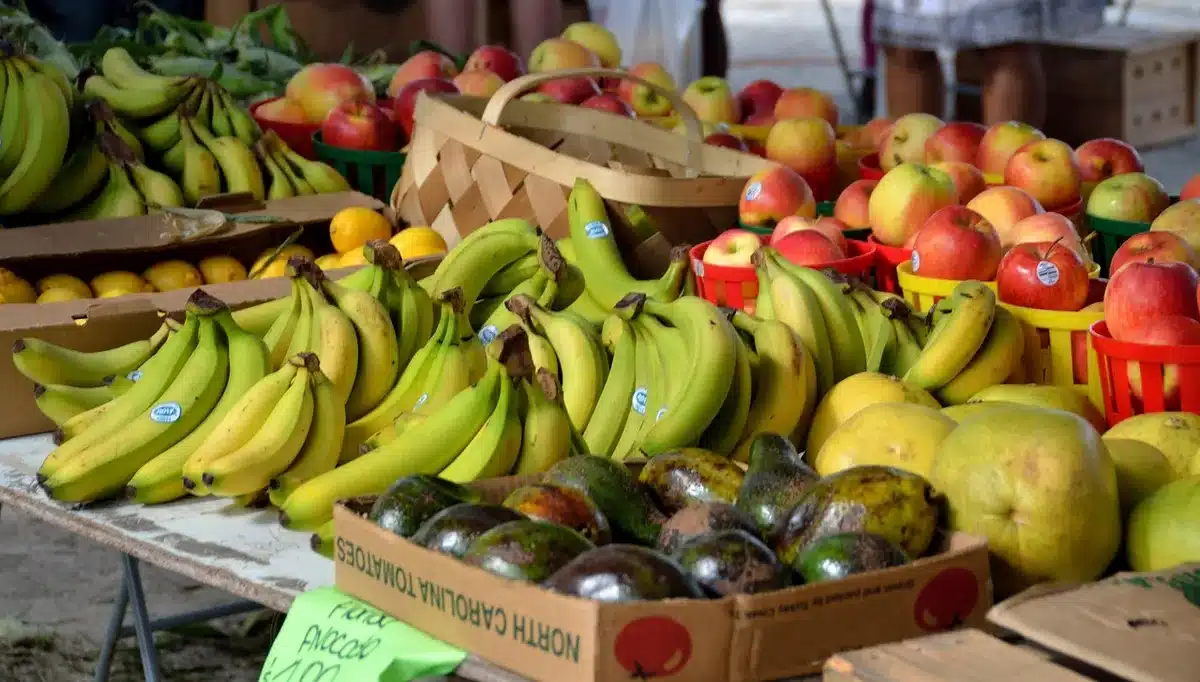
- Paper bag + banana or apple: Adding an ethylene-producing fruit shortens the window to roughly two to three days.
- Open-air on the counter: Will ripen in a similar timeframe to the paper-bag method but is less consistent because ethylene dissipates into the room.
- Refrigeration: Once an avocado reaches the desired softness, refrigerating it will slow further softening and browning for several days.
You can use these options together to stage fruit: keep some on the counter, place others in a bag, and speed a few with a banana to have staggered ripeness across several days.
Popular shortcut myths: don’t microwave or bake to “ripen”
Microwaving or putting an avocado in an oven does not ripen it in the botanical sense; it cooks the tissue. That may soften the flesh, but it produces uneven texture and off aromas that most people find unpleasant. The result is not the buttery, creamy mouthfeel of natural ripening but a greasy, uneven softness and a noticeably altered flavor.
Storing ripe avocados and preventing browning
Once ripe, an avocado will begin to show brown spots within about two days at room temperature. Chilling in the refrigerator can extend that useful window to roughly five days, but too much cold can cause chilling injury and accelerate discoloration later.
If you have leftover halves or pieces, oxygen is the main enemy. Practical methods:
- Wrap cut surfaces tightly with plastic wrap, pressing it directly onto the flesh to reduce air contact.
- For partial pieces, submerge them briefly in cold water in an airtight container—this slows surface oxidation for a few hours but can make the flesh waterlogged if stored too long.
- For mashed avocado or guacamole, press a double layer of plastic wrap directly on the surface; it won’t halt browning forever but will buy several hours without noticeable discoloration.
- Rubbing with a little oil can help on a smooth half, but it’s impractical for irregular pieces.
Quick reference: Methods and expected results
| Method | Expected time to ripe | Notes |
|---|---|---|
| Room temp, open | 3–5 days | Variable; depends on initial firmness and ambient temperature |
| Paper bag | 3–5 days (more consistent) | Concentrates ethylene |
| Paper bag + banana/apple | 2–3 days | Fastest reliable home method |
| Refrigeration (once ripe) | Extends freshness to ?5 days | Slows further ripening; watch for chilling damage if kept too long |
| Microwave or oven | Instant softening (not true ripening) | Produces poor texture and off flavors—avoid |
Practical planning tips
To ensure perfect avocados for an event: buy them several days in advance and use staging. For example, purchase firm fruit on Monday, speed a few with a banana, leave some in a paper bag, and refrigerate any that reach peak softness. That strategy reduces waste and avoids last-minute disappointment.
Also bear seasonal risk in mind: internal browning and woody strings become more common at certain times of the year, so even careful shopping can’t eliminate all surprises.
Updated May 2023: recent kitchen trials reinforce that ethylene-based methods work reliably, while cooking shortcuts do not recreate true ripening.
Irish whiskey: approachable bottles new drinkers should try today
Fishtown restaurants ranked: must-visit spots locals are raving about