
Show summary Hide summary
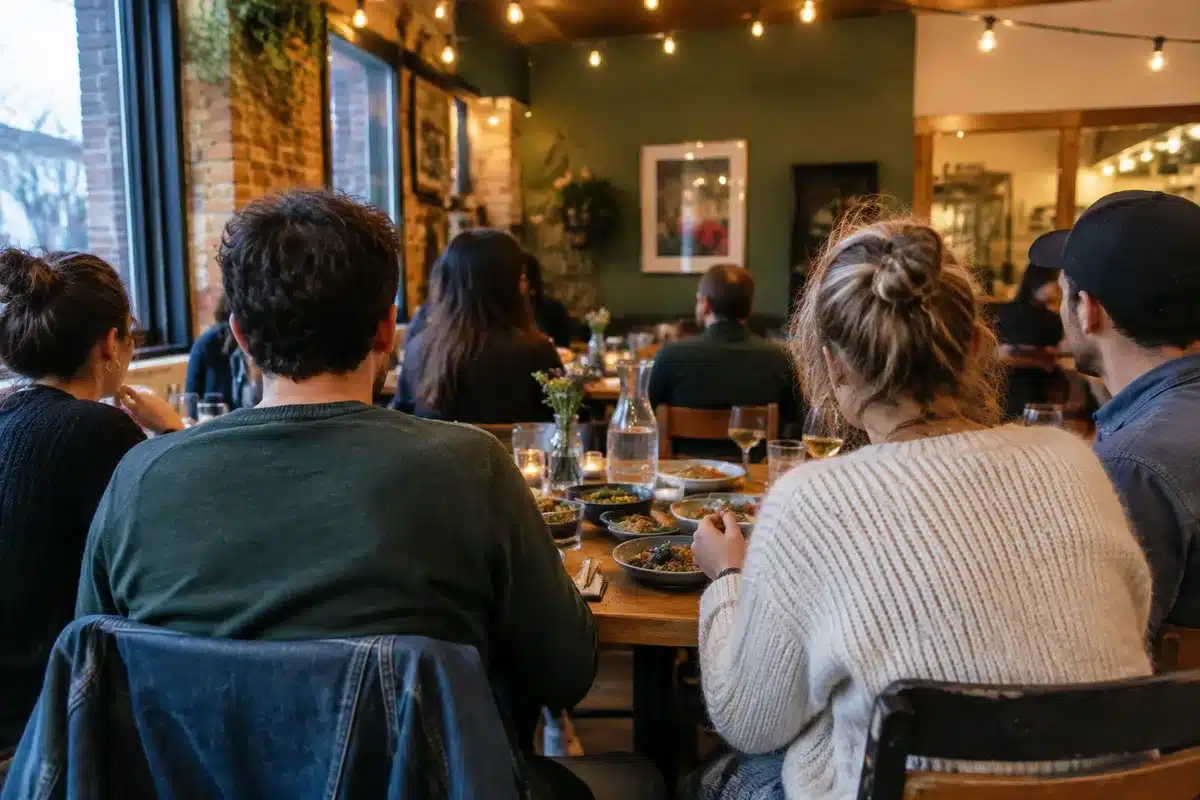
Booking dinner and arranging the ride there could soon happen in a single tap: Uber Eats has announced a partnership with OpenTable to let users reserve restaurant tables and get a discounted Uber to the venue — all within the Eats app. The change, expected to start rolling out this fall, aims to remove the back-and-forth between apps and cut both time and cost for diners.
The initiative, internally called Dine Out by Uber, pairs reservation booking with a discounted trip to the restaurant, and promises added perks for members of the company’s loyalty program. For diners, that means less app-switching and fewer logistics to manage on the night of a meal; for restaurants, it’s another channel to attract bookings and minimize no-shows.
Uber’s product executive framed the move as a natural extension of the Eats platform, noting the company has been hearing from restaurants and customers who want easier ways to connect offline. The company says the combined reservation-and-ride feature will be available within the Uber Eats interface, with priority seating offered to Uber One subscribers at selected restaurants.
Caramel, butterscotch, toffee: how their differences affect your desserts
McDonald’s rebrands Twitter to honor Bubba Wallace after his first NASCAR Cup win
Rollout will be gradual. Uber says the feature will debut in the fall, and will likely expand to more cities over time rather than launching nationwide at once. That means availability will vary by market during the initial months.
What’s new in the Eats app
Alongside the OpenTable tie-up, Uber is introducing several updates aimed at simplifying how people order, shop and travel.
- Dine Out: Reserve a table via Uber Eats and pair it with a discounted Uber ride.
- AI-powered commute alerts: Notifications that suggest the optimal time to request a ride based on predicted traffic and demand.
- Savings Slider: An in-app tool that compares prices and suggests lower-cost alternatives from local grocers and retailers.
- Expanded perks for Uber One members, including reservation priority at participating restaurants.
The company says the Savings Slider analyzes local inventory and pricing to propose substitutes and highlight cheaper options, helping users make more budget-conscious choices without hunting across multiple apps.
For restaurants, the integrated booking-plus-ride model could boost foot traffic and reduce cancellations by smoothing the trip from home to table. For customers, it promises convenience and potential savings — especially for households that already rely on Uber’s delivery and rides services.
Why this matters now
Consumers increasingly expect seamless, multipurpose apps. Combining reservations with transportation addresses a common friction point: coordinating timing, travel and dining plans. As more platforms attempt to capture larger slices of the out-of-home dining experience, this move positions Uber Eats to compete more directly with reservation-focused services and to deepen relationships with both restaurants and regular users.
There are practical limits to watch for: initial geographic restrictions, participating-restaurant lists, and how discounts are applied during peak hours. Still, the concept underscores a broader trend — apps that fold adjacent services into a single customer journey to save time and reduce decision fatigue.
Uber plans to expand the features over time, and users in participating cities should expect updates this fall. For those who prefer lining up a table and a ride in one place, the change could quickly become a convenience they won’t want to give up.
Irish whiskey: approachable bottles new drinkers should try today
Fishtown restaurants ranked: must-visit spots locals are raving about