Show summary Hide summary
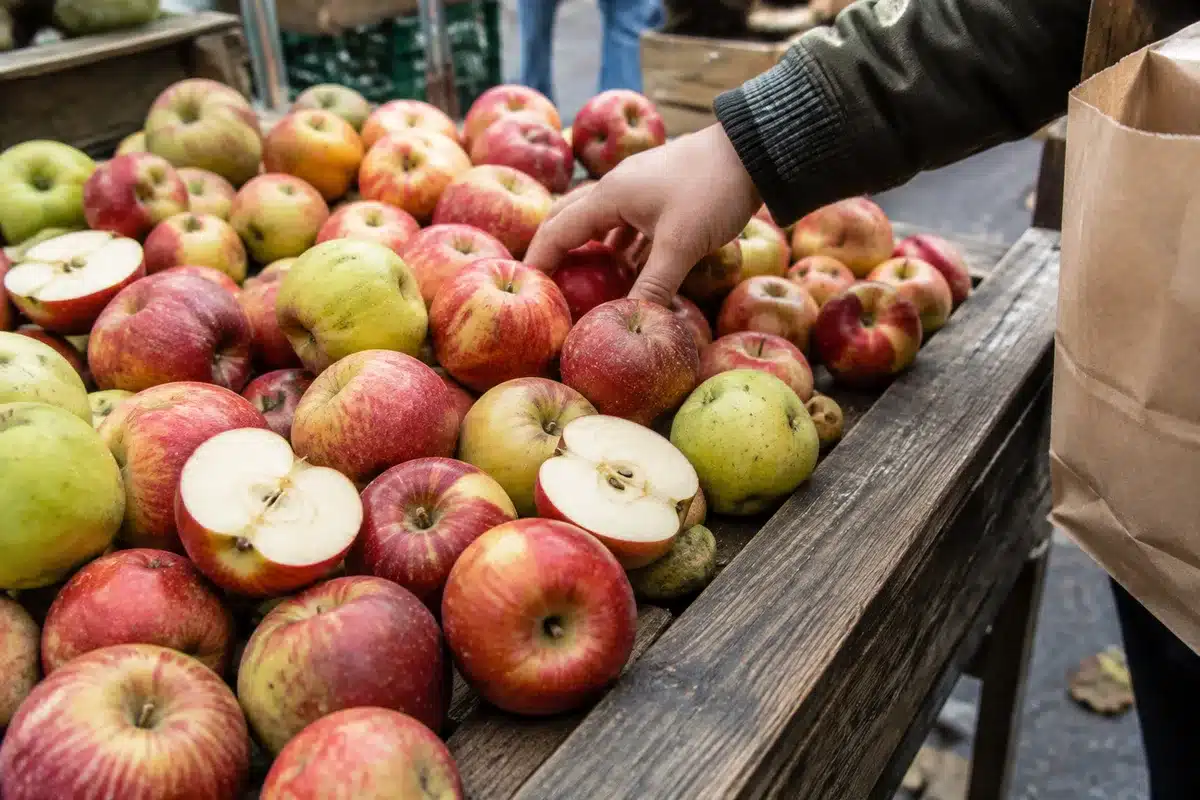
This fall’s apple harvest is in full swing, and the variety you choose matters more than you might think—texture, acidity and sweetness all change how an apple performs in a pie, salad or lunchbox. Selecting the right fruit now can save you time in the kitchen, reduce waste and lift the final result of a recipe.
Why variety makes a difference
Not all apples behave the same when cooked, stored or bitten into raw. Some hold their shape and provide bright acidity; others break down into a jammy texture and emphasize sugar. For shoppers and home cooks, that distinction affects everything from the crispness of a slaw to the thickness of homemade applesauce.
Provincetown restaurants ranked: where locals are lining up this summer
Best apples for pie revealed: baking experts name top varieties to buy now
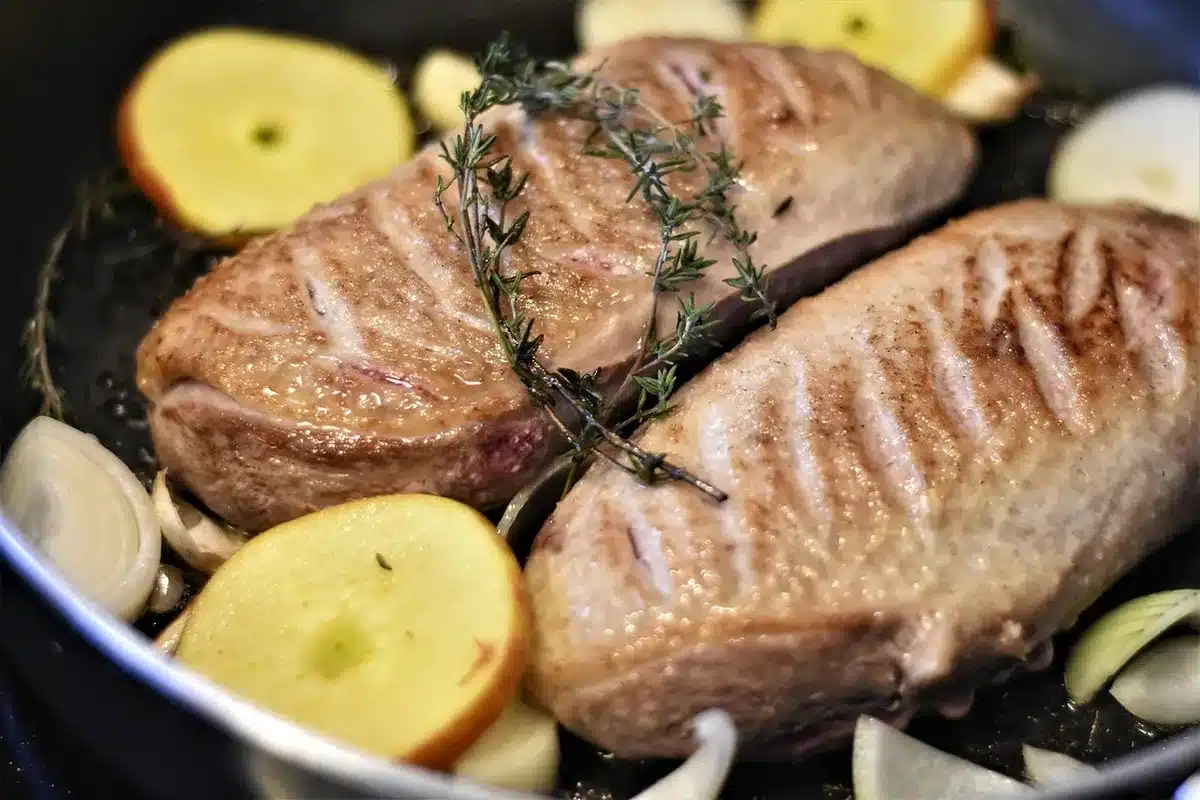
There’s also a practical side: picking the wrong apple for a recipe can mean a soggy tart or an overly tart snack, while choosing one with a short shelf life may lead to faster spoilage and more food waste.
Quick guide: common types and how to use them
- Honeycrisp — exceptionally crisp and juicy; excellent raw and in salads where texture matters.
- Granny Smith — high acidity and firm flesh; the classic choice for pies and recipes that need tartness and structure.
- Gala — sweet, thin-skinned and aromatic; easy to eat raw and good for lunchboxes.
- Fuji — very sweet and dense; holds up well sliced and works in baked goods that don’t require disintegration.
- Braeburn — balanced sweet-tart profile; versatile for both cooking and fresh eating.
- McIntosh — tender and aromatic; breaks down quickly, ideal for applesauce and softer-textured desserts.
| Best for | Recommended varieties | Why |
|---|---|---|
| Pie and tarts | Granny Smith, Braeburn, Honeycrisp | Hold shape and balance sweetness with acidity |
| Sauces and butters | McIntosh, Cortland | Soft flesh breaks down quickly into a smooth texture |
| Snack or lunchbox | Gala, Fuji, Honeycrisp | Sweet, crunchy and widely liked raw |
| Roasting and savory dishes | Bramley (where available), Bosc | Stand up to heat and complement savory flavors |
How to choose at the market
Look beyond color. An apple’s hue varies by variety and is not a reliable sign of ripeness. Instead, press gently near the stem—apples should feel firm, not spongy. Inspect the skin for cuts or deep bruises that speed spoilage, and smell the fruit; a fresh apple often gives a faint, sweet aroma.
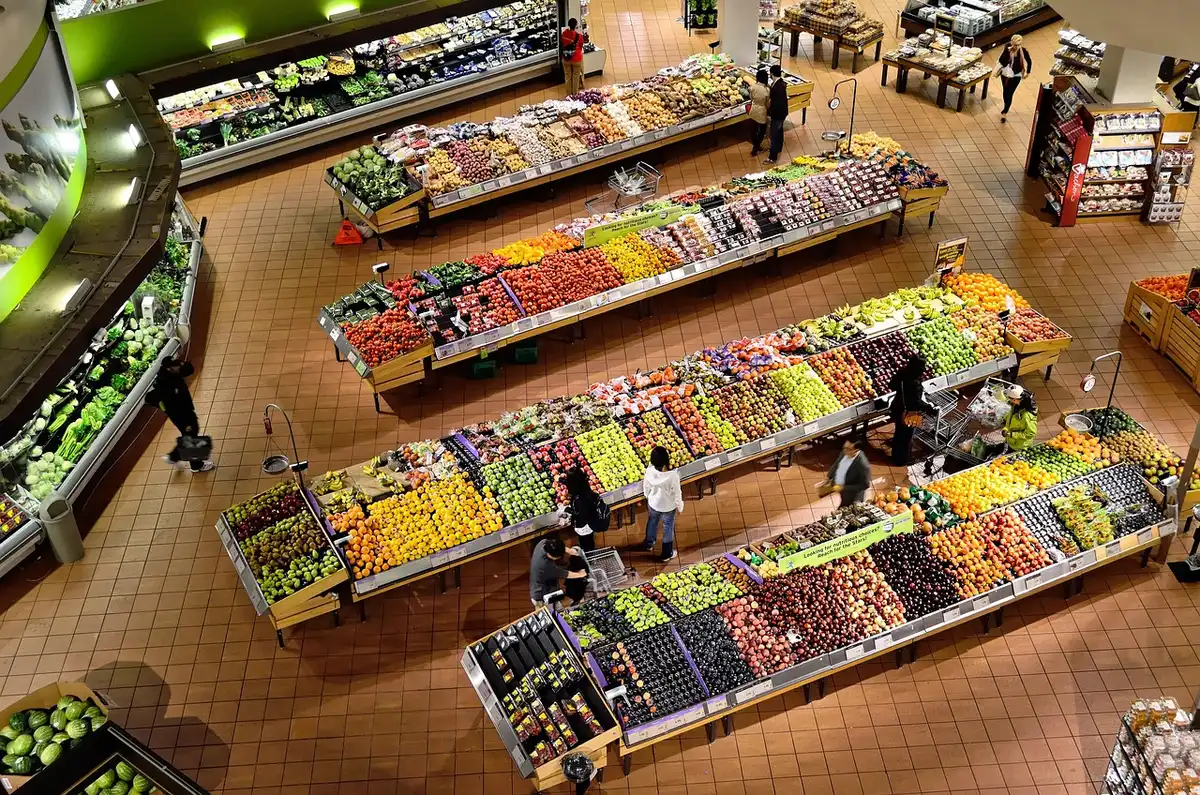
When buying in bulk, pick a mix: a few firm, tart apples for cooking and a couple of sweet, crisp ones for fresh eating. That approach reduces waste and ensures you have the right texture for different uses.
Storage and simple tricks that extend freshness
To keep apples at peak quality, store them in the refrigerator’s crisper drawer—cold slows ripening. If you must leave them on the counter for a few days, use them first. Keep apples separated from bananas and other ethylene-producing fruits to avoid accelerated softening.
- Wrap half-used apples in plastic or place them cut-side down to slow browning.
- For longer storage, refrigerate in a perforated bag with a damp paper towel to maintain humidity.
- Cook slightly under-ripe apples for sweeter results; sweeter varieties need less added sugar.
Choosing the right apple is a small decision that changes outcomes in the kitchen and at the table. With a little attention to variety and storage, you’ll get better texture, flavor and less waste from the fruit you buy this season.
Michigan McDonald’s manager saves customer in diabetic emergency with fast action
Vanilla sodas tested: which brands to buy and which to avoid