
Show summary Hide summary
October 4 marks the 12th observance of National Taco Day, a food-focused date that now drives promotions at chains, menu experiments at small restaurants and a surge of online taco coverage. For readers, the day matters because it both shapes what’s available to eat this week and highlights how a simple street food became a staple across restaurants and retail shelves.
A holiday born in the fast-food era
The celebration traces back to 2009, when the chain Del Taco publicized Oct. 4 as a day to spotlight tacos, according to the Farmer’s Almanac. Since then, other brands and local eateries have leaned into the date with discounts, limited-time menu items and social-media campaigns aimed at drawing customers on a typically quiet fall weekday.
Original Pantry Cafe reopens in downtown LA: iconic diner resumes all-day service
Canned chickpeas can rescue weeknight meals: 15 fast recipes

That marketing push is one reason the anniversary now gets wide coverage: it offers retailers a reason to promote and consumers an opportunity to try new varieties at reduced cost.
A longer story behind a short word
The taco itself predates the modern holiday by centuries. Food historian Jeffrey M. Pilcher has described how the term likely emerged in 18th-century Mexican silver mines, where miners reportedly used the word “taco” to refer to paper-wrapped charges of gunpowder. Written references to tacos begin appearing in archives and dictionaries by the late 1800s and early 1900s.
Migration patterns brought tacos into the United States by the late 19th century; by the 1920s, local recipes had begun to adapt to broader American tastes. The development of the pre-formed, pre-fried “U”-shaped taco shell in the mid-20th century helped cement tacos as fast-food mainstays and accelerated their entry into national chains and supermarkets.
What to expect this National Taco Day
- Promotional offers at national and regional restaurant chains, often limited to specific hours or menu items.
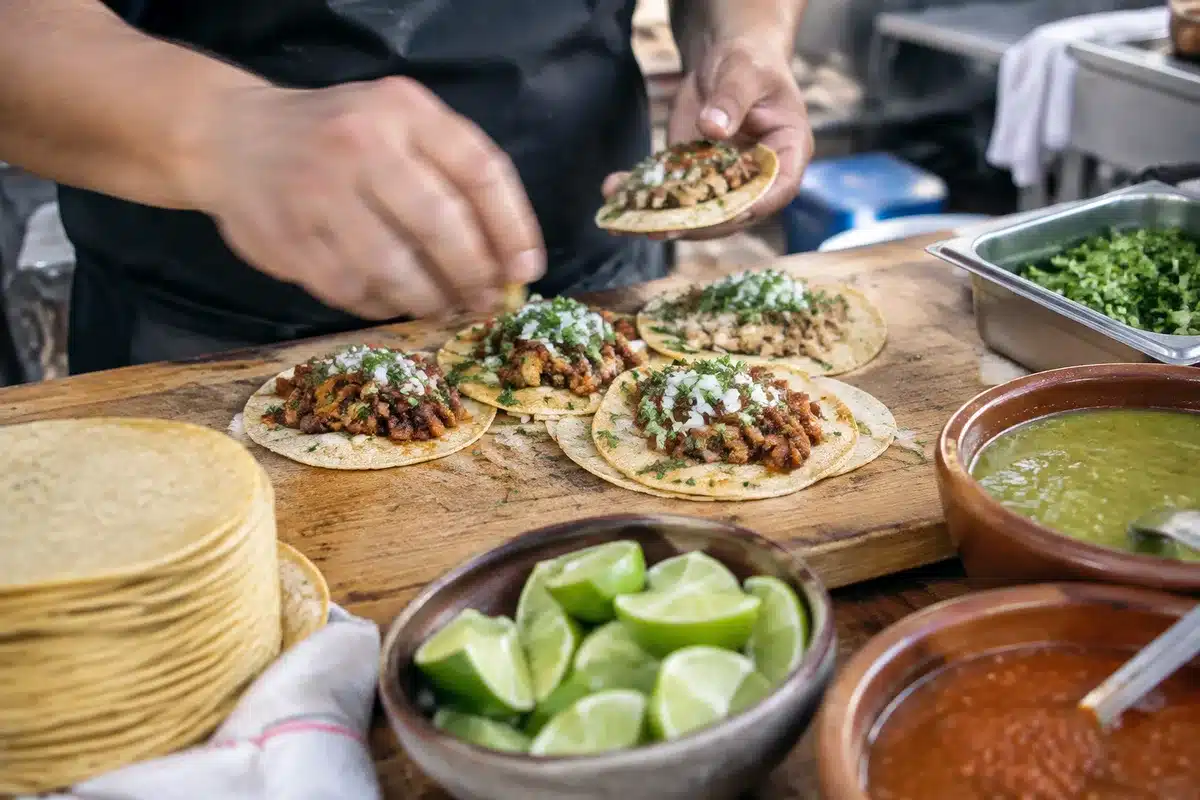
- Special menus and creative fillings at independent taquerias and food trucks—everything from seafood to plant-based proteins.
- A surge in recipes and how-to content online for home cooks wanting to make tacos from scratch.
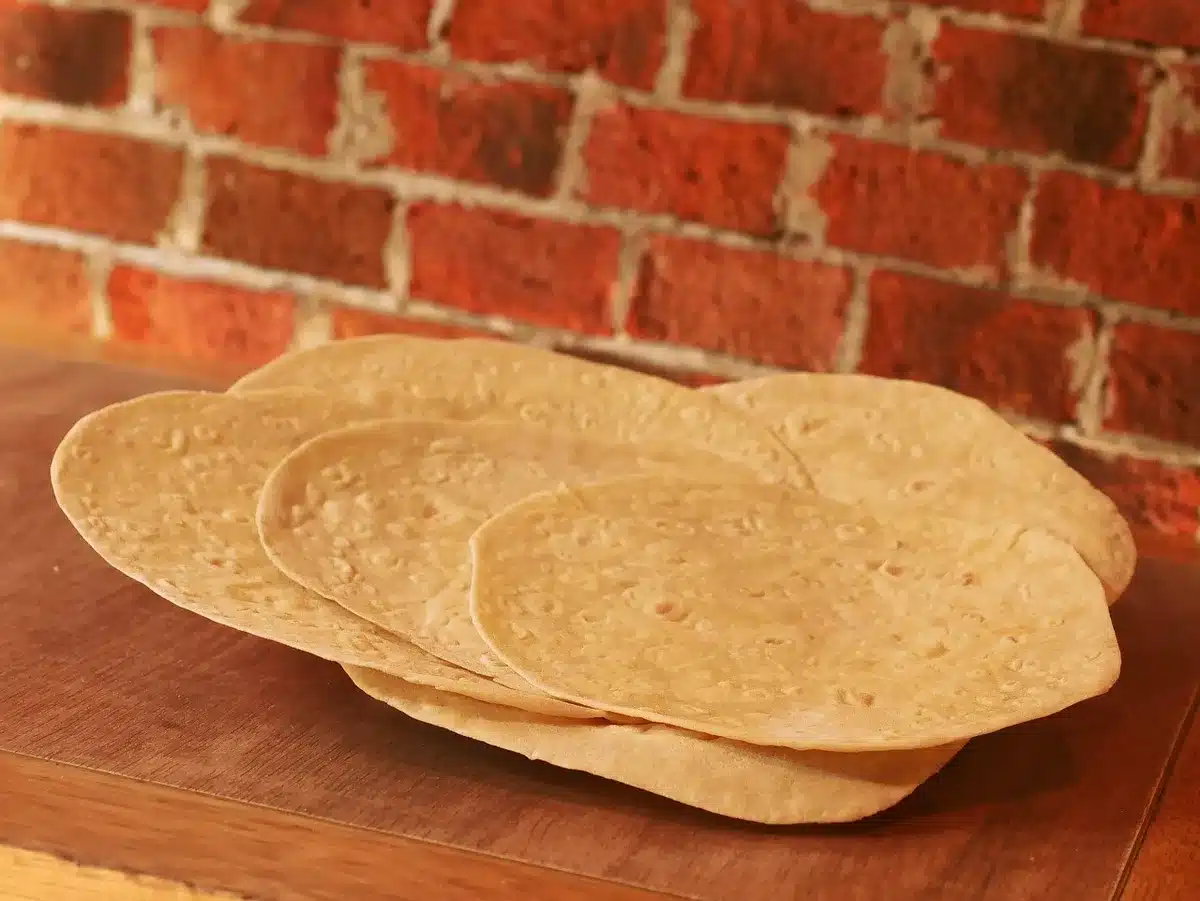
- Expanded retail presence, including ready-to-eat kits, taco shells and flavored tortillas on grocery shelves.
For consumers, the day is a practical chance to try different styles—from street-style corn tortillas to high-end chef-driven tacos—often at lower cost. For restaurateurs and food brands it is a calendar moment to boost traffic, test new items and generate social-media buzz.
Why the taco still matters
Tacos illustrate how a regional dish can become a global culinary language: they’re adaptable, portable and easy to customize. That versatility helps explain why tacos have been adopted by fast-food chains, elevated by fine-dining kitchens and embraced by home cooks alike.
At the same time, the dish’s journey raises questions about cultural exchange and authenticity as tacos are reinterpreted in different contexts. Coverage of National Taco Day tends to surface these conversations, along with practical information about where to find deals and new menu launches.
Whether you treat Oct. 4 as an occasion to hunt down a bargain, try a new filling or cook a homemade batch, the day offers a snapshot of how food traditions evolve—and why some dishes endure.
National Taco Day: how tacos became America’s go-to fast food
Sushi salon draws diners with must-try fish creations