
Show summary Hide summary
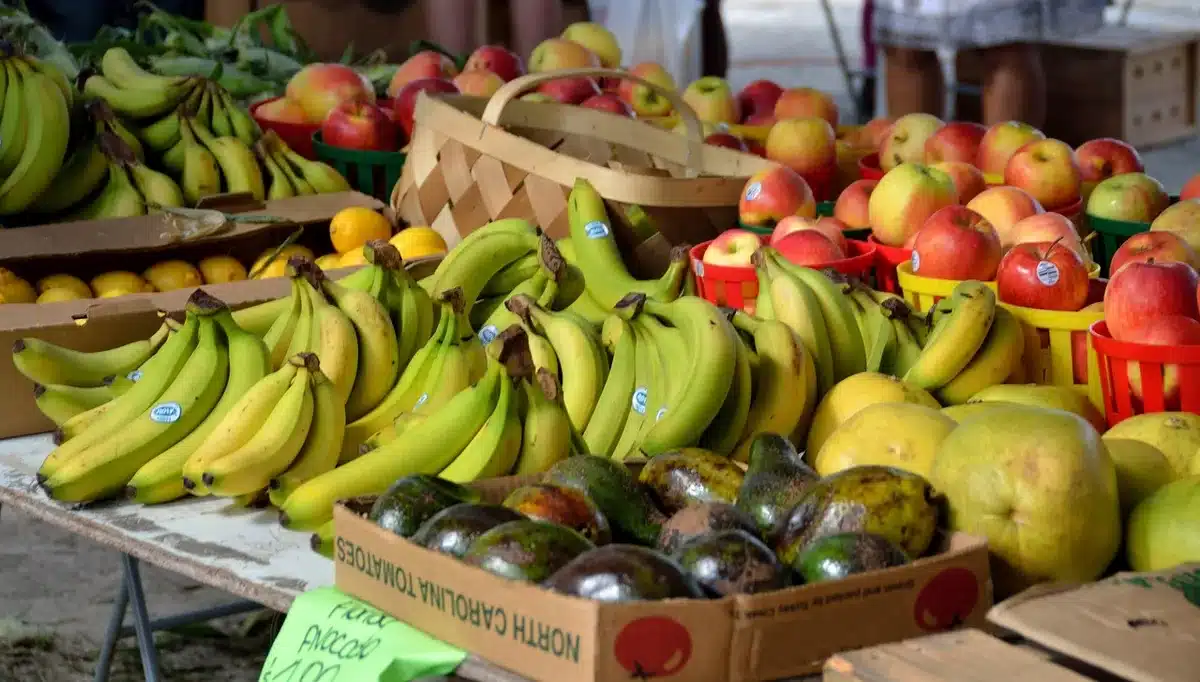
The little adhesive labels on apples and avocados do more than identify price codes — they’re a tiny part of a much larger system that shapes what ends up on your plate and in the trash. As retailers, growers and consumers rethink convenience and waste, the fate of those stickers reveals broader shifts in supply chains, sustainability and how you shop for fresh produce.
Why stickers exist — and why they matter
Most fruit and vegetable stickers carry a PLU code — a four- or five-digit number used at checkout to identify the item and its price. For produce managers and cashiers, these labels are a quick, foolproof way to tell a Fuji from a Gala, or a conventional banana from an organic one.
Latin food brands reshaping home kitchens: 4 companies bringing bold flavors and heritage
Frozen vegetables taste sweeter and cut prep time: the swap home cooks swear by

Beyond the scanner, stickers also serve marketing and traceability roles: brand logos, farm names and occasionally QR codes that link to origin information or supply-chain details. That small adhesive does a lot of administrative lifting for a retail system that moves millions of pieces of produce every day.
A quiet shift away from stick-on labels
Over the past few years, a growing number of stores and growers have been experimenting with alternatives. Some supermarkets are testing laser etching — a code burned directly into the skin of the fruit — while others are switching to paper labels or placing stickers on packaging instead of directly on produce.
The drivers are practical as well as ethical. Stickers add waste, complicate recycling and sometimes leave residue. For shoppers trying to compost or recycle correctly, the adhesive can be a nuisance. For retailers, laser etching promises a low-waste substitute that still supports scanning and traceability.
What this means for shoppers
Whether stickers disappear entirely or evolve into new formats, the change affects everyday decisions at the grocery cart and checkout.
- Identification: If stickers become rarer, shoppers will need to rely more on signage, labels on display bins or memory to distinguish varieties and grades.
- Weight and pricing: Some self-checkout systems still depend on PLU codes typed or selected manually. Removing stickers may slightly slow unfamiliar shoppers at the scale or kiosk.
- Waste reduction: Fewer adhesives can mean less contamination in compost and recycling streams, but the environmental benefit depends on what replaces them.
Quick guide: common label types and trade-offs
| Label type | Pros | Cons |
|---|---|---|
| Adhesive sticker (plastic) | Cheap, easy to apply, visible at checkout | Non-recyclable residue, microplastics risk, contaminates compost |
| Paper sticker | Often compostable, lower plastic impact | Less durable, may smudge or fall off in transit |
| Laser etching | No residue, long-lasting, machine-readable | Initial equipment cost, small aesthetic concerns for some shoppers |
Practical tips for shoppers
Change in retail often happens unevenly. You might find stickerless apples at one store and stickered avocados at another. Here are simple habits that make the transition smoother:
- Look for signage on display bins to confirm variety and organic status rather than relying solely on a sticker.
- If you remove a sticker, peel it off before composting or recycling the item; put the small label into the trash unless it’s labeled compostable.
- At self-checkout, have the PLU number handy or ask an attendant for help when codes aren’t on the produce.
- Support transparent labeling: scan any QR codes or look for farm information when available to make informed choices.
Perspective
Small changes in packaging and labeling can ripple through the food system. Moving away from adhesive plastic could reduce waste and improve compost quality, but the net benefit depends on industry choices and how consumers adapt. For shoppers, the transition is mostly practical: learn to read shelf signs, be patient at checkout, and keep an eye out for cleaner, low-waste labeling options.
In short: the sticker itself is minor, but what it represents — a balance between efficiency, traceability and environmental impact — is far from trivial. Not all heroes wear produce stickers, but understanding their role helps you make smarter choices at the grocery store.
Andy Puzder blasts White House over gas spike: doubts claim that relying on OPEC lowers emissions
Cheap American beer under $10: top 6-pack buys to stock up now