Show summary Hide summary
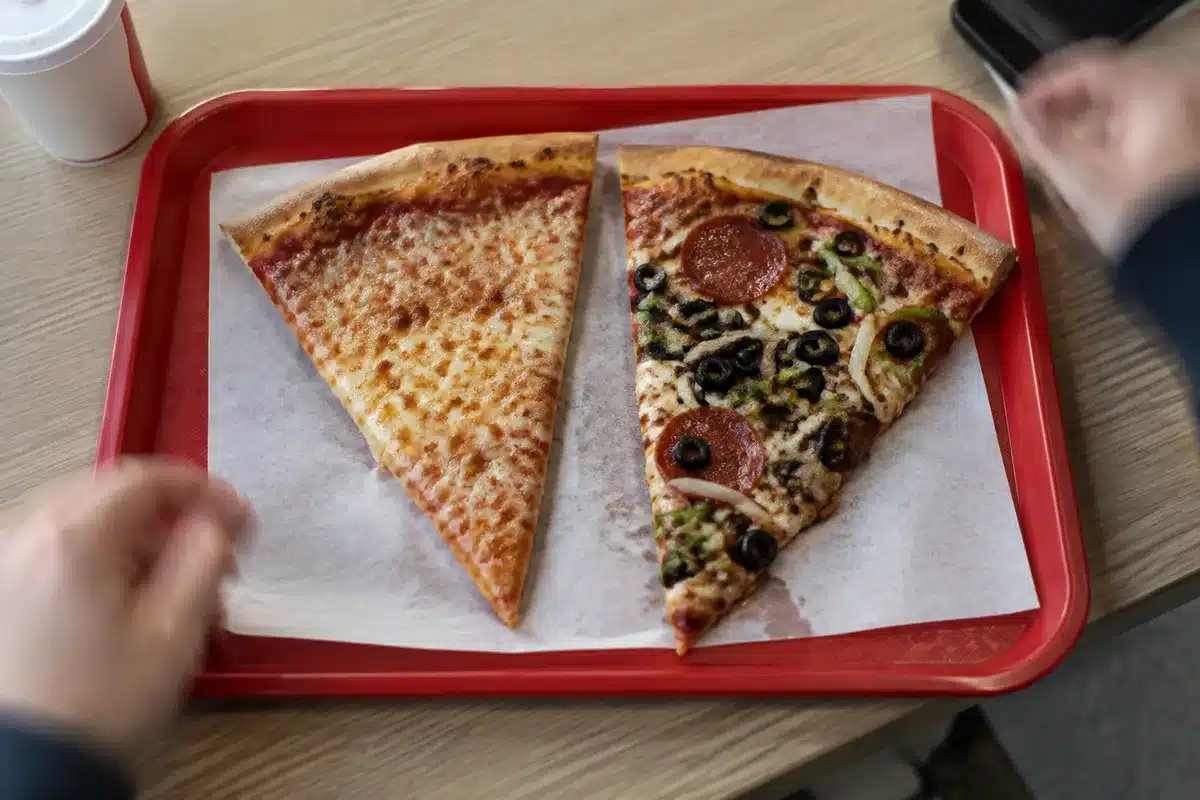
A recent laboratory analysis found that plain cheese pizza tended to contain lower concentrations of a range of tested chemicals than pizzas loaded with multiple toppings. That difference matters now as more consumers weigh food-safety concerns alongside taste and convenience.
What the testing revealed
Lab analysts compared several pizza varieties, measuring residues tied to agriculture, processing and packaging. Across most measures, the pizza made with just dough, sauce and cheese showed the lowest levels of several common contaminants.
Latin food brands reshaping home kitchens: 4 companies bringing bold flavors and heritage
Frozen vegetables taste sweeter and cut prep time: the swap home cooks swear by

That pattern did not mean the cheese-only option was free of all residues; rather, it generally registered lower amounts of the specific substances included in the panel. Results varied by chemical class and by sample source, so the findings point to trends rather than definitive safety rankings.
Why a simple pizza scored better
Experts point to a few practical reasons a plain pizza might come out cleaner in routine testing.
- Fewer ingredient sources: Additional toppings—particularly processed meats and imported vegetables—increase the number of supply chains and the chance of contaminant transfer.
- Less processed meat: Pepperoni and sausage are more likely to carry added preservatives or processing by-products than plain cheese.
- Lower pesticide exposure: Vegetables and herbs can bring pesticide residues that don’t typically apply to dairy-based toppings.
- Simple preparation: Fewer handling steps and shorter ingredient lists reduce opportunities for cross-contamination during production.
These mechanisms do not prove causation, but they help explain why a more minimal recipe would show lower aggregate levels in a broad chemical screen.
What this means for consumers
For shoppers concerned about cumulative exposure, the takeaway is practical rather than prescriptive: choosing simpler menu items can reduce the number of potential chemical sources in a meal. That may be especially relevant for households monitoring specific additives, preservatives or pesticide residues.

Consider these steps to lower exposure without overhauling your diet:
- Opt for cheese-only or fewer, well-sourced toppings when possible.
- Limit frequent consumption of highly processed pizza meats.
- When buying frozen or takeout, check ingredient lists and supplier transparency.
- Balance convenience foods with fresh whole foods to reduce overall dietary exposure.
Broader implications
These findings underscore a wider demand for routine, independent testing and clearer labeling so consumers can make informed choices. Restaurants and manufacturers can respond by disclosing sourcing practices and minimizing unnecessary additives.
Regulators and public-health bodies may also use such analyses to target follow-up testing where complex supply chains introduce greater variability. For now, a straightforward cheese pizza appears to be the lowest-risk option among common choices, according to the recent testing—an insight that could steer both everyday choices and industry practices.
Ultimately, the new data adds nuance to how we think about food safety: simplicity in ingredients often reduces the number of potential chemical inputs, but it’s one factor among many in a balanced diet.
Andy Puzder blasts White House over gas spike: doubts claim that relying on OPEC lowers emissions
Cheap American beer under $10: top 6-pack buys to stock up now