Show summary Hide summary
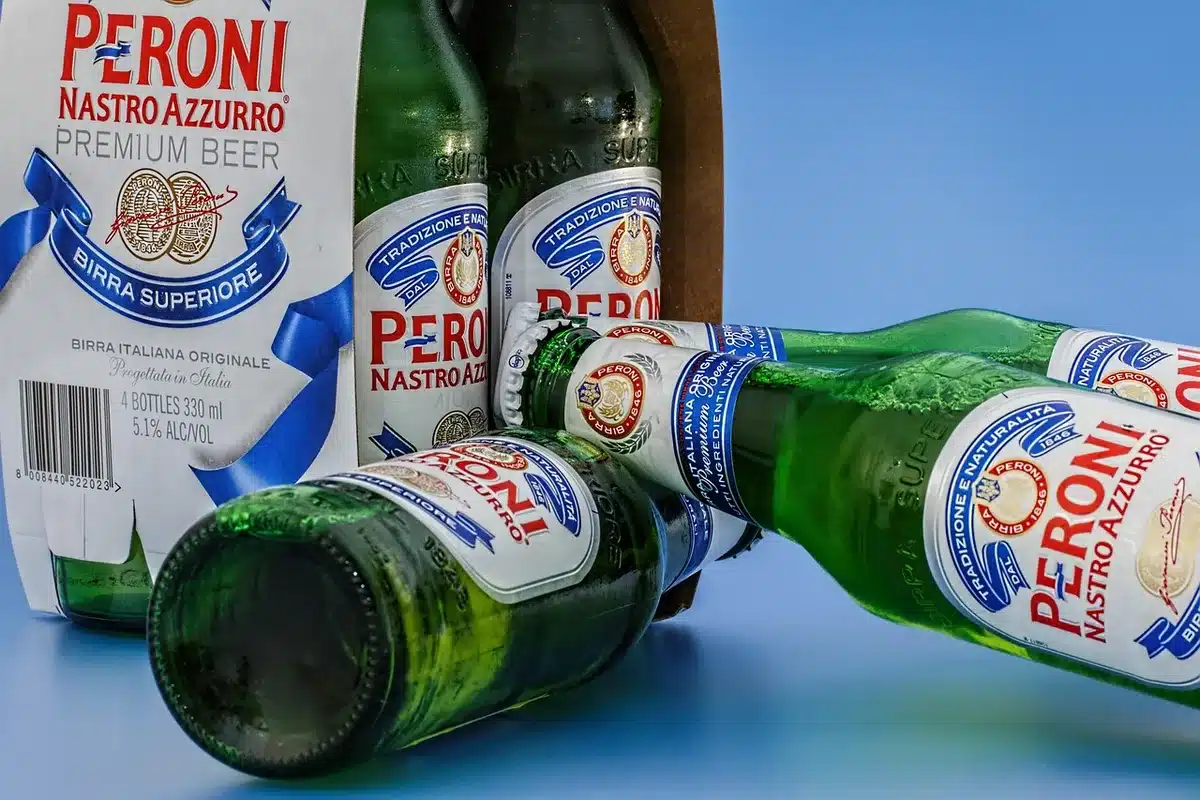
The long-standing argument over whether beer tastes better from a bottle or a can isn’t just barroom folklore — it’s a question modern brewing science is starting to answer. Recent research and basic packaging physics show that container choice affects how beer ages and what you actually taste, but the practical impact depends on the beer style and how it’s stored.
Why packaging changes beer
Every beer is a fragile mix of water, alcohol, hops, malt and yeast-derived compounds. Light, oxygen and heat all accelerate chemical reactions that dull aroma, flatten flavor and produce off-notes. Packaging controls how much of those elements reach the liquid.
Latin food brands reshaping home kitchens: 4 companies bringing bold flavors and heritage
Frozen vegetables taste sweeter and cut prep time: the swap home cooks swear by
In simple terms: cans block light completely and generally provide a tighter seal against air, while glass bottles — even brown ones — let more light and offer more opportunity for oxidation because of their shape and closure. That doesn’t mean one format is universally superior, but it does explain why the same beer can evolve differently depending on its container.
What the evidence says
A 2023 study in ACS Food & Science & Technology compared IPAs and amber ales stored in both cans and bottles under identical conditions: cold for a month, then at room temperature for several months, with periodic testing. The results were not uniform.
Amber ales showed clear divergence between canned and bottled samples over time — the packaging influenced aroma and flavor markers. For the IPAs tested, though, the difference between can and bottle was much smaller. In short: packaging effects are beer-dependent.
That variability matches everyday experience: some people swear a particular brand tastes better from a bottle, others insist the can is ideal. Often it’s the beer’s composition and its sensitivity to light or oxygen that determines which container preserves its character best.
- Light exposure: UV and visible light can trigger “skunking,” especially in hop-forward beers unless they’re fully shielded.
- Oxygen ingress: Oxidation changes aroma and mouthfeel; cans typically limit air contact more effectively.
- Temperature swings: Heat speeds up degradation; neither container protects against poor storage.
There’s also a persistent rumor that cans impart a metallic taste. Modern cans are lined to prevent contact between beer and metal, and most drinkers won’t notice any can-derived flavor under normal conditions.
Practical takeaways for shoppers and drinkers
How you store beer matters as much as the container it comes in. If you’re buying for a picnic, a tailgate or a day at the beach, cans are generally the better option: they’re lighter, unbreakable and block light entirely. If you plan to cellar or age a beer, pay attention to the brewery’s recommendations; some styles are brewed to mature in glass, others are best consumed fresh.
- Pick cans for portability, low-light exposure and situations where a tight oxygen barrier helps preserve freshness.
- Pick bottles if the brewery markets the beer for aging or if the presentation is part of the experience — but store them away from light.
- For IPA lovers: Buy fresh and keep cold; the study suggests format matters less for some hop-forward beers if storage is controlled.
- For malt-forward or amber styles: Be more selective about packaging — cans may preserve certain flavors better over time.
Ultimately, individual preference remains central. If a stout or lager tastes better to you from a bottle, that perception is valid — the beer inside is still the same basic recipe, and personal context (glassware, pour, temperature) shapes enjoyment as much as the container.
So the next time someone insists cans are inferior or bottles are always superior, remember: the science points to nuance, not absolutes. Packaging influences how beer changes over time, but style, storage and personal taste decide whether that difference matters to you.
Andy Puzder blasts White House over gas spike: doubts claim that relying on OPEC lowers emissions
Cheap American beer under $10: top 6-pack buys to stock up now