Show summary Hide summary
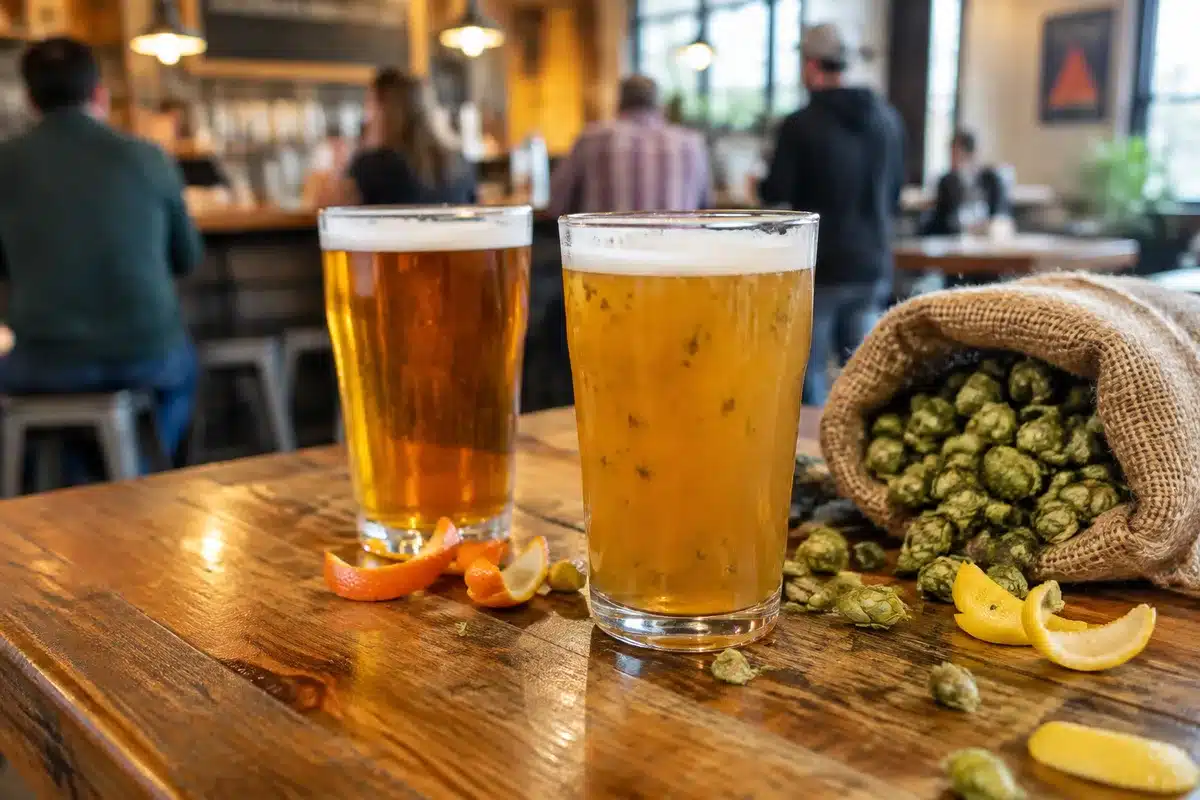
Many drinkers conflate pale ales and IPAs because both showcase hop-forward flavors and a similar amber hue, but the two styles serve different palates and brewing intentions. With craft beer varieties multiplying on tap lists and in stores, knowing how they differ helps you pick the right bottle or draft for a meal or an evening out.
Pale ales: lighter touch, long history
The pale ale story begins in Britain, when a change in malt-roasting techniques produced beers with a noticeably lighter color and milder roasted notes. Brewers found these clearer, malt-forward beers easier to drink, and the name stuck—pale ale referred simply to their appearance compared with dark porters and stouts.
Inglewood lounge aims to draw year-round crowds: not just a pregame spot for Intuit Dome
Brown butter upgrade: golden nutty version elevates taste and versatility
When the style crossed the Atlantic, American brewers pushed the profile toward brighter hop aromas. The U.S. takeaway emphasized citrus and pine notes from newer hop varieties while maintaining a malty backbone, creating a version that many drinkers find approachable and balanced.
Think of a traditional pale ale as a beer that aims for equilibrium: malt sweetness and hop bite in conversation rather than combat.
IPAs: hops in the driver’s seat
What sets an IPA apart is intent. These beers amplify hop character—more bitterness, more aroma, often higher alcohol—so hops dominate the tasting experience. The result can range from resinous pine and grapefruit peel to tropical-fruit esters, depending on the hop varieties and when they’re added during brewing.

The tale that IPAs were brewed specifically to survive months at sea on trading ships is part myth and part history. Brewers did use hops to extend shelf life, but hop-heavy pale ales evolved over time and became associated with overseas markets—hence the name that stuck: India Pale Ale (IPA).
Today the IPA umbrella includes many substyles—West Coast, New England, black, milkshake—each highlighting different textures and hop treatments. In the U.S., IPAs are the cornerstone of modern craft brewing, and their variations continue to drive experimentation.
- Alcohol by volume: Pale ales generally sit lower (often in the mid‑4% to mid‑6% range), while many IPAs run stronger (frequently 5%–8% and above).
- Bitterness and aroma: Pale ales aim for balance; IPAs push hop bitterness and fragrance to the forefront.
- Flavor focus: Pale ales tend to show malt and restrained citrus notes; IPAs spotlight hop-derived flavors—pine, resin, citrus, or tropical fruit.
- Drinkability: Pale ales are often designed for session-style drinking; many IPAs are built for a single, flavor-forward pour.
These are general tendencies rather than strict rules. Brewers frequently blur boundaries—an IPA can be finely balanced, and a pale ale can be assertively hoppy—so tasting matters more than label alone.
How that affects your choice today
If you want something easy to sip all evening or pair with food, a pale ale’s restraint usually works better. If you’re chasing bold hop aromas or pairing with spicy, strongly seasoned dishes, an IPA’s intensity will likely be more satisfying.
When sampling, pay attention to three things: the initial bitterness, the aromatic lift (citrus, pine, tropical fruit), and how the malt supports or softens the hops. That trio will tell you whether a beer leans more toward the American Pale Ale (APA) tradition or toward the hop-centric world of the India Pale Ale (IPA).
In a market that now rewards creativity, the lines keep shifting. Still, knowing the baseline differences helps you navigate tap lists, shop shelves smarter, and discover the styles that fit your taste.
Zero-sugar coffee creamer flops: shoppers warn against popular store brand
Indian recipes: slow-cooked depth, ready in under an hour