Show summary Hide summary
Lentils have quietly become one of the most practical ingredients in modern kitchens: inexpensive, nutritious, and adaptable to fast weeknight meals as well as slow-simmered comfort dishes. With interest in plant-forward eating and tighter grocery budgets rising, knowing how to choose, cook, and store lentils matters now more than ever.
Why lentils are worth learning
Beyond being a pantry staple, lentils bring a lot to the table. They pack substantial plant-based protein and fiber, cook faster than most dried legumes, and perform well across global cuisines. For home cooks they offer flexible building blocks—soups, salads, stews, purées, and even baked goods—without demanding special ingredients or complicated prep.
Inglewood lounge aims to draw year-round crowds: not just a pregame spot for Intuit Dome
Brown butter upgrade: golden nutty version elevates taste and versatility
Know your lentils
Lentils come in several common varieties, each behaving differently in the pot. Choosing the right type for a recipe avoids disappointment and saves time.

| Type | Texture when cooked | Common uses | Approx. cooking time (simmer) | Water ratio |
|---|---|---|---|---|
| Brown | Firm to tender | Soups, braises, burgers | 20–30 minutes | 2.5 cups water : 1 cup lentils |
| Green | Firm, peppery | Salads, side dishes | 25–35 minutes | 3 cups water : 1 cup lentils |
| Red/Yellow | Soft, often purées | Dal, purees, thickening stews | 10–15 minutes | 2 cups water : 1 cup lentils |
| Puy (French green) | Very firm, nutty | Cold salads, composed plates | 18–25 minutes | 2.5 cups water : 1 cup lentils |
Simple rules for reliable results
Start with these practical habits to make lentils predictable and useful in everyday cooking.
- Rinse but don’t soak: unlike many dried beans, lentils don’t require soaking; a quick rinse removes dust and debris.
- Salt late for texture control: adding salt at the end prevents excessive firming during cooking; if you prefer well-seasoned legumes, finish with salt and acid.
- Mind the variety: use red or yellow lentils for creamy textures, green or brown lentils for salads and dishes that need a defined shape.
- Cook in plain water or broth: adding flavorful liquid upfront does double duty—seasoning the lentils and acting as a base for finished dishes.
- Use a lid for speed: covering the pot traps steam and speeds cooking while conserving energy.
Fast methods for busy cooks
If you keep an Instant Pot or pressure cooker, lentils are one of the easiest staples to batch-cook. Most varieties take roughly 6–10 minutes at high pressure, then a natural or quick release depending on desired firmness. On the stovetop, a vigorous simmer and a tight lid will have most lentils ready within 10–30 minutes.
Cooked lentils freeze well. Portion them in meal-sized containers or resealable bags and you’ll cut prep time for soups, grain bowls, and tacos later in the week.
Flavor pairings and finishing touches
Lentils absorb surrounding flavors, so consider finishing them with bright, acidic ingredients—lemon juice, vinegar, or yogurt—to balance their earthiness. Fresh herbs, red onion, and toasted nuts add texture; smoked paprika, cumin, or coriander bring warmth. If a recipe calls for long-cooked meat, replace it with mushrooms, roasted vegetables, or caramelized onions to keep the dish satisfying.
Troubleshooting common problems
Overcooked and mushy lentils are the most common complaint. Combat this by shortening cook time and checking earlier, or by choosing a firmer variety like Puy or green lentils when texture matters. If lentils split or foam excessively while boiling, skim the foam and lower the heat to restore a gentle simmer.
Undercooked lentils usually mean the pot didn’t simmer long enough or the batch is old; check the packet date next time. If you discover undercooked lentils after adding other ingredients, simmer until done—the flavors will still integrate.
Three quick recipe ideas
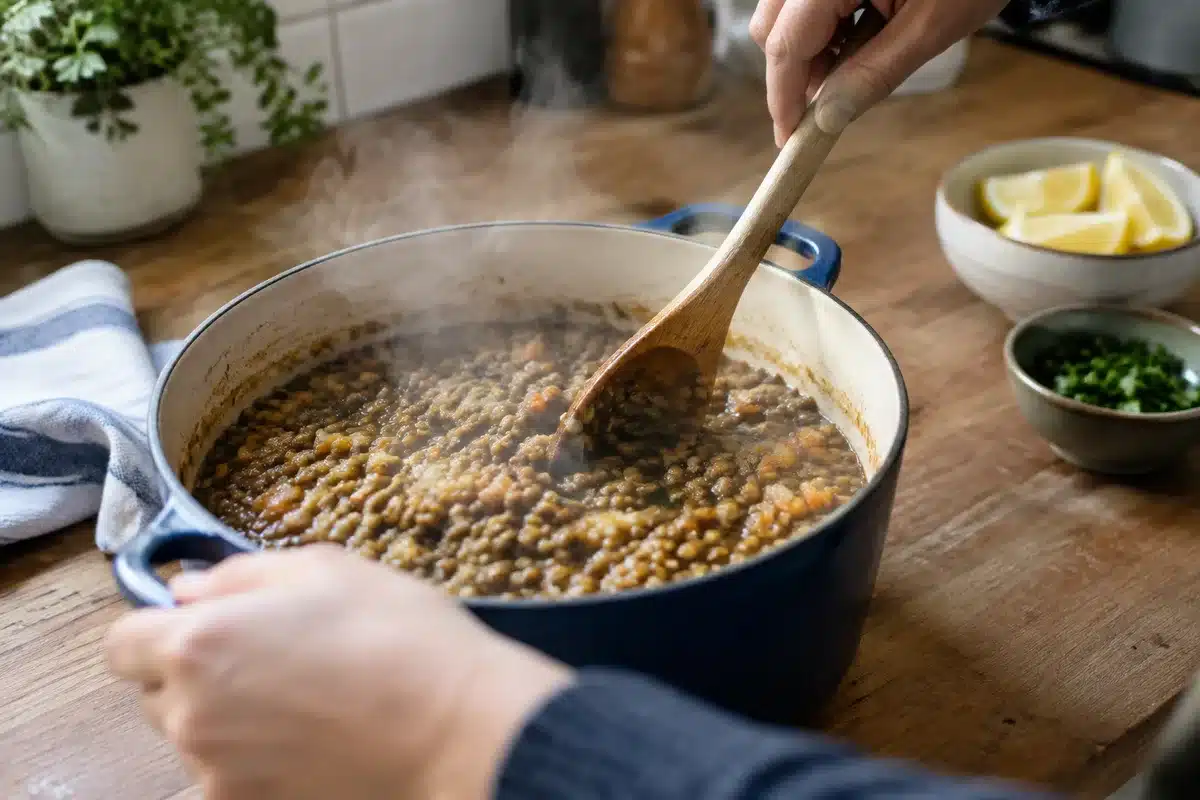
- Lentil and tomato stew: sauté onion, garlic, and carrots; add brown lentils, canned tomatoes, stock, and simmer until tender; finish with lemon and parsley.
- Warm lentil salad: cook Puy lentils until firm, toss with shallot vinaigrette, roasted beets, and goat cheese.
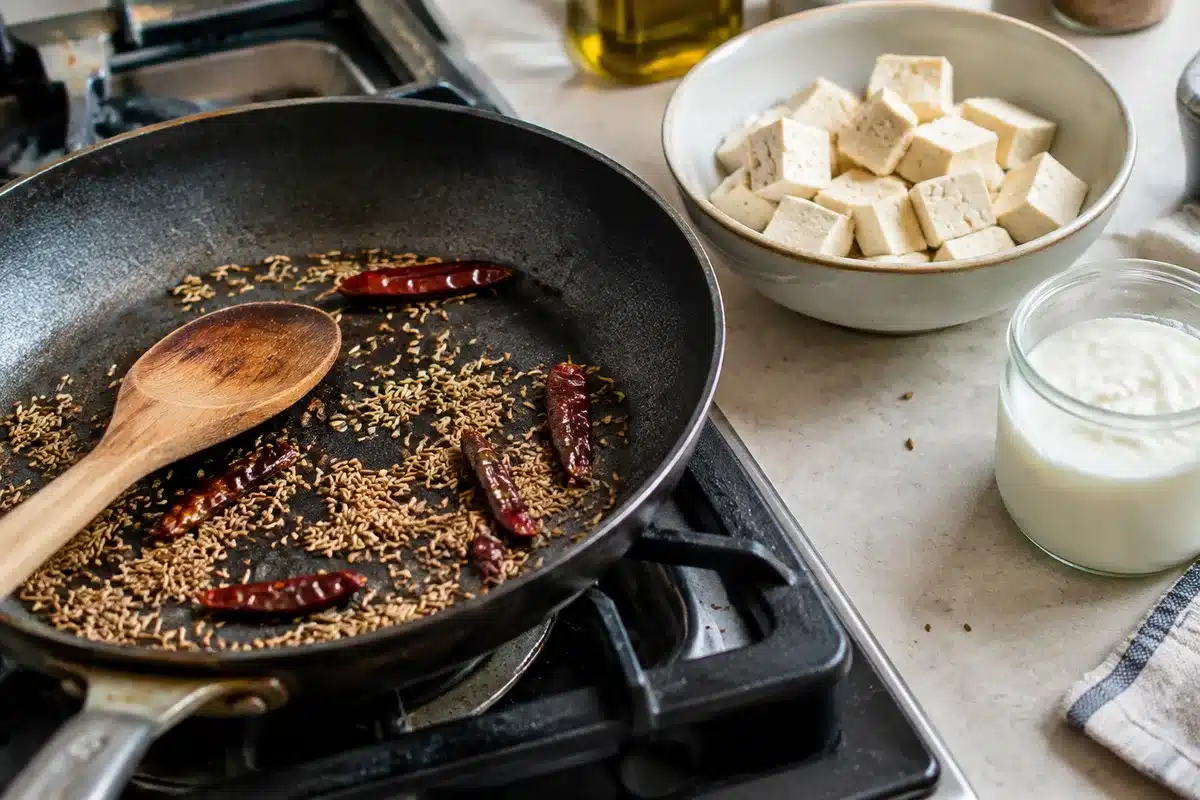
- Red lentil dal in 20 minutes: temper spices in oil, add red lentils and water, cook until soft and mash slightly; serve with rice or flatbread.
With small adjustments to technique and a little planning, lentils can anchor economical, nourishing meals any night of the week. As shoppers look for affordable, climate-friendly sources of protein, mastering lentils is a practical skill that pays immediate culinary and household dividends.
Zero-sugar coffee creamer flops: shoppers warn against popular store brand
Indian recipes: slow-cooked depth, ready in under an hour