
Show summary Hide summary
This season, one easy swap is breathing new life into caramel‑apple cocktails: add ginger ale. Its fizz and warm spice cut through heavy sweetness and instantly makes autumn drinks feel lighter and more layered—useful whether you’re mixing a single serve or serving a punch at a gathering.
The chemistry of a better fall cocktail
Ginger ale contributes three things at once: carbonation for lift, a peppered ginger note for balance, and a mellow sweetness that supports rather than overwhelms apple and caramel flavors. Together, those qualities prevent the drink from tasting overly syrupy or flat, while introducing a clean finish that invites another sip.
Williamsburg Italian restaurant from two sisters debuts with pasta and pizettes
thanksgiving desserts that travel well: 12 make-ahead crowd-pleasers
Use it flexibly. It can be the main mixer — think a spiced mule riff — or a finishing splash that wakes up richer ingredients like caramel liqueur or apple cider.
Practical dos and don’ts
- Do pour ginger ale after shaking. Adding it to shaken cocktails will kill most of the bubbles.
- Don’t rely on any low‑quality soda; the ginger-forward brands make the biggest difference.
- Do consider a light rim (cinnamon sugar, sea salt and brown sugar) to echo the cocktail’s flavors.
- Don’t force ginger ale with spirits that compete strongly for the same spice profile; choose pairings that complement.
- Do experiment with proportions—start with a 3:1 ratio of cocktail base to ginger ale and adjust to taste.
In a comparative tasting of 13 commercial brands, Vernors consistently stood out for its richer ginger character and balanced sweetness, making it a reliable choice for this style of drink.
Which spirits to choose
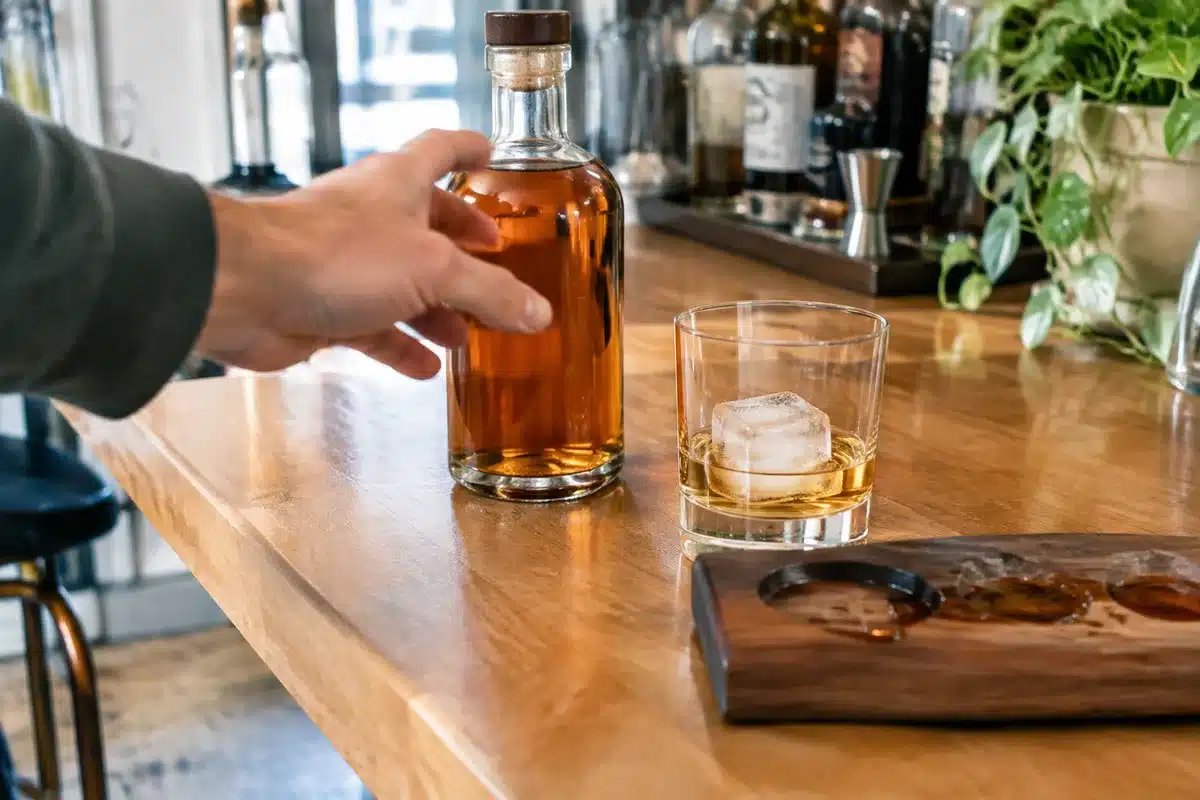
For a classic autumn mood, reach for whiskey. Its caramelized grain notes naturally echo apple and brown sugar. If you want a neutral canvas that lets fruit and candy flavors shine, vodka is a safe bet.
Steer away from bold rums or grassy tequilas unless you intentionally want to shift the cocktail away from a traditional caramel‑apple profile. Those spirits can introduce competing flavors that hide the ginger ale’s subtle lift.
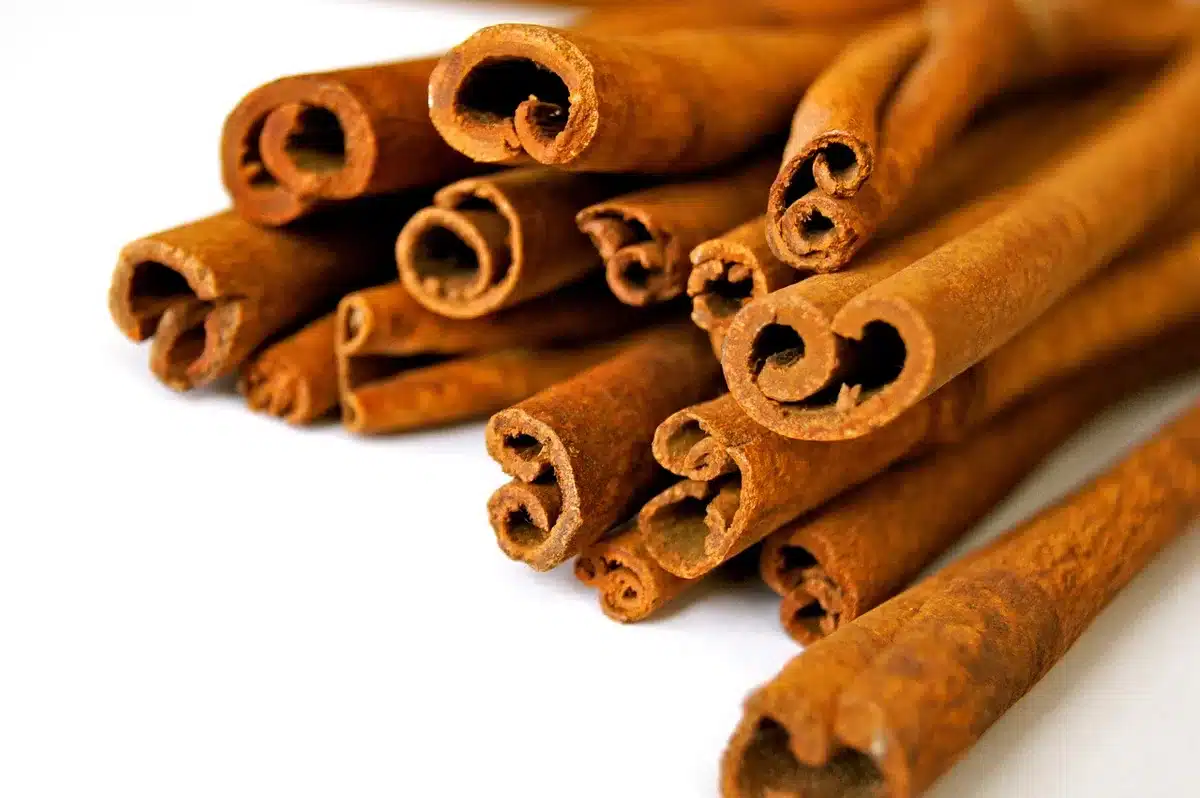
Small touches make a difference: apple slices, a cinnamon stick, or a thin caramel drizzle improve both aroma and presentation without altering the drink’s balance.
A simple crowd‑pleasing recipe
This formula scales—multiply for a pitcher. It’s built to be easy to mix and to showcase the interplay between apple, caramel and ginger.
- 2 oz apple vodka or apple brandy
- 1 oz caramel liqueur or 1 tbsp caramel sauce
- 2 oz apple cider or unsweetened apple juice
- Top with 3–4 oz ginger ale
- Garnish: apple slice, cinnamon stick, optional caramel drizzle
Method: Combine spirits and cider over ice, stir gently, then top with ginger ale. If making a shaken cocktail, shake the base without the ginger ale and add the soda last to preserve carbonation.
Why this matters now: as fall entertaining picks up, the addition of a single, inexpensive ingredient lets home bartenders elevate seasonal drinks quickly. It’s a low-risk change that improves texture, tempers cloying sweetness and broadens crowd appeal—helpful whether you’re hosting a small dinner or posting a new seasonal reel.
Taco wine pairings: Mexican chef reveals best bottles for every taco
New Hope, Pennsylvania restaurants ranked: top spots locals are flocking to