Show summary Hide summary
Two familiar cups can come from the same bush yet taste like different worlds. As people reassess what they drink—seeking healthier, lower-sugar options or exploring specialty beverages—understanding why green and black tea diverge matters for flavor, health expectations, and how you brew them at home.
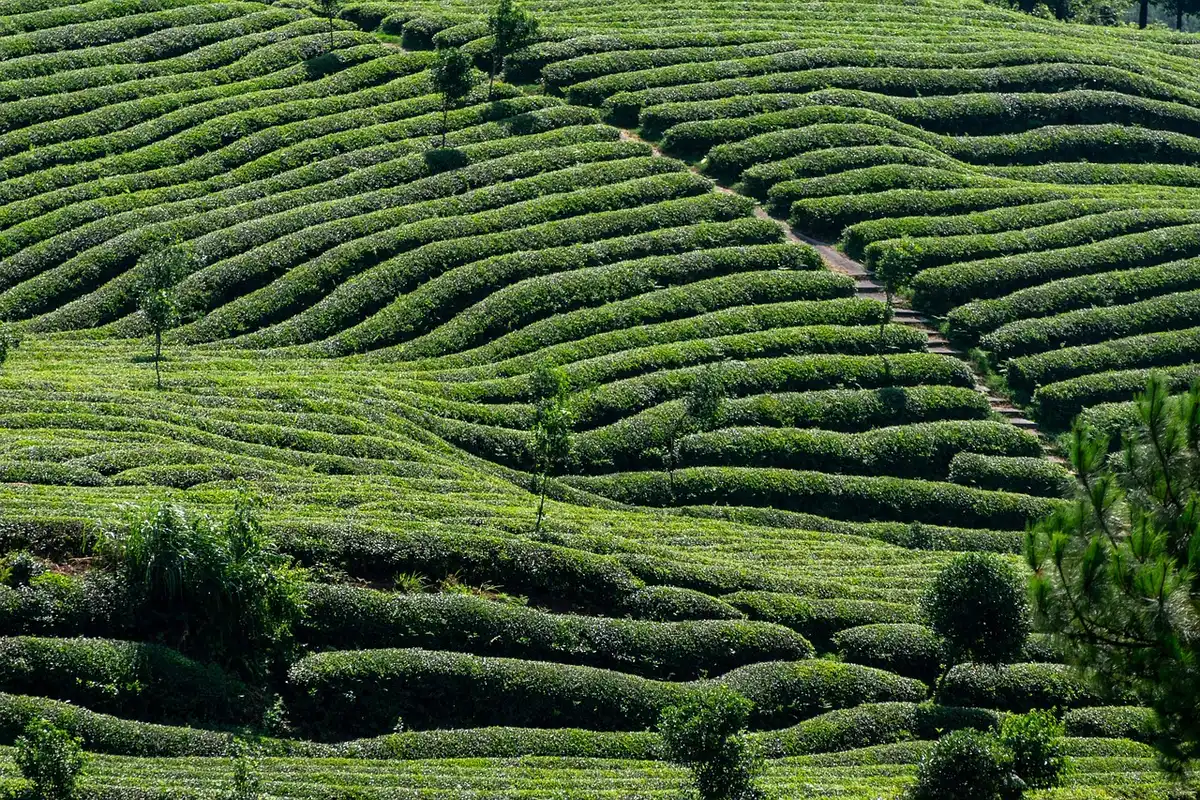
At the heart of the difference is timing and treatment: the same plant, Camellia sinensis, produces leaves that become either brisk, malty black tea or fresh, grassy green tea depending on how they are handled after harvest. That choice transforms color, aroma, and chemistry in ways that affect everything from antioxidants to storage life.
What processing does to a tea leaf
Right after plucking, leaves are alive with enzymes that interact with sunlight-produced compounds. If those enzymes are left active, the leaf’s chemistry changes; if they are stopped quickly, the leaf retains more of its original profile. Tea makers manipulate this window deliberately.
Josephine sparks bistro buzz in Silver Lake
Green tea or black tea: nutritionists reveal the healthier choice and quick brewing tips
Two processes dominate the split between green and black tea:
- Stopping enzymatic action quickly — typically by steaming or pan-firing — preserves the leaf’s fresh character, producing what we call green tea.
- Allowing controlled enzyme-driven browning — often called oxidation — darkens the leaf and creates the deeper, sweeter and sometimes astringent notes associated with black tea.
How the chemistry changes
When leaves oxidize, their major polyphenols shift. Green leaves hold high levels of catechins, compounds linked to the bitter-but-bright notes and many of the antioxidants people cite when discussing tea’s health benefits. Oxidation converts those catechins into theaflavins and thearubigins, molecules that lend black tea its amber color and rounder flavor.
This is not “fermentation” in the microbial sense used in wine or yogurt; tea oxidation is a chemical transformation driven by the plant’s own enzymes and exposure to air.
Practical implications for drinkers
That processing influences several consumer-facing attributes. Consider these differences:
- Flavor: Green tea tends toward vegetal, herbaceous, or seaweed-like notes. Black tea is usually fuller, with malty, caramel, or dried-fruit tones.
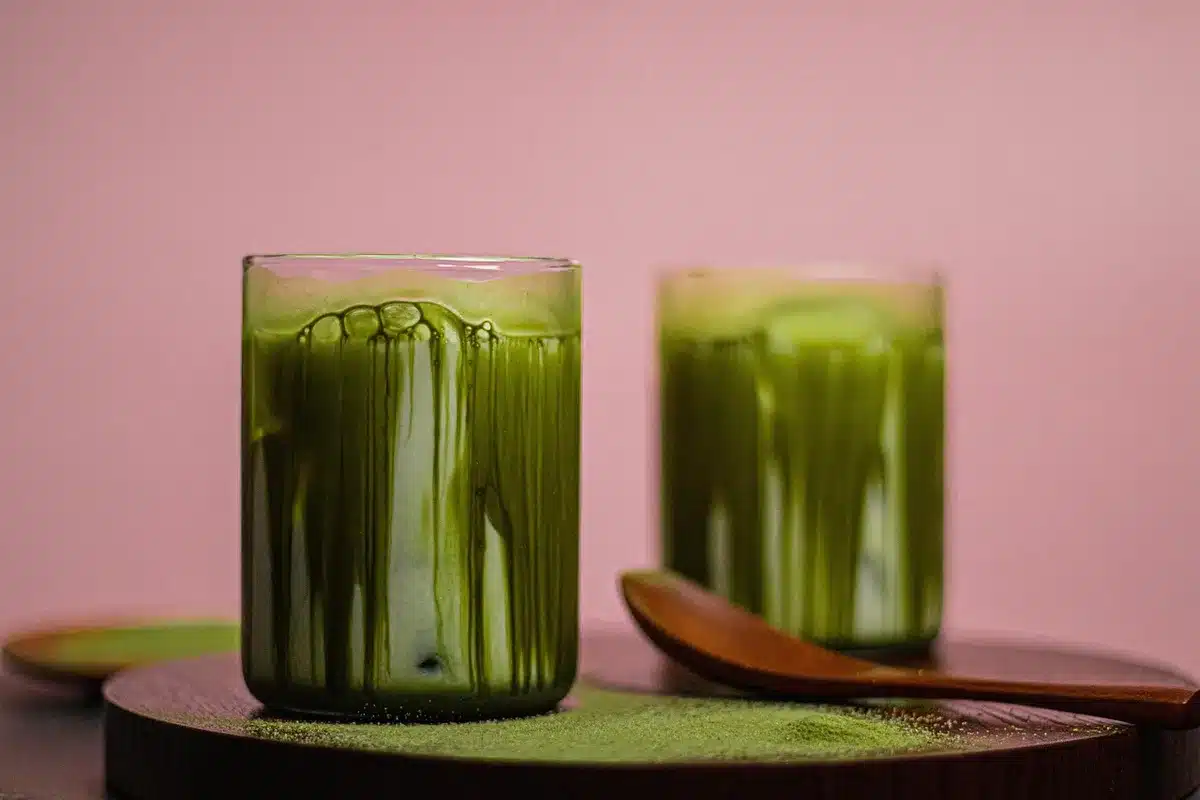
- Color and clarity: Infusions range from pale yellow-green to deep reddish-brown depending on oxidation level.
- Caffeine: Absolute caffeine depends on variety and preparation, but black teas often brew into a bolder, more perceptibly stimulating cup.
- Antioxidant profile: Green tea retains more catechins; black tea contains their oxidation products, which have different biological properties.
- Storage and shelf life: Less-oxidized green tea is more sensitive to heat, light, and moisture and can lose brightness sooner than black tea, which is generally more shelf-stable.
- Brewing approach: Lower temperatures and shorter steep times tend to favor green tea; black tea tolerates — and often benefits from — hotter water and longer infusion.
Why terroir and technique still matter
Processing sets the broad category, but growing conditions, cultivar, and harvest timing shape nuance. A black tea from one region can be dramatically different from a black tea elsewhere; similarly, a high-elevation green tea can taste markedly cleaner than a lowland example.
Artisanal producers play with withering times, rolling methods, and firing temperatures to create signature profiles. Industrial-scale mills aim for consistency but still rely on the same biological levers: enzyme action, moisture control, and heat treatment.
What to look for when buying and brewing
For everyday preparation and best results:
- Trust scent and leaf appearance: greener leaves should smell fresh; darker leaves should look evenly oxidized.
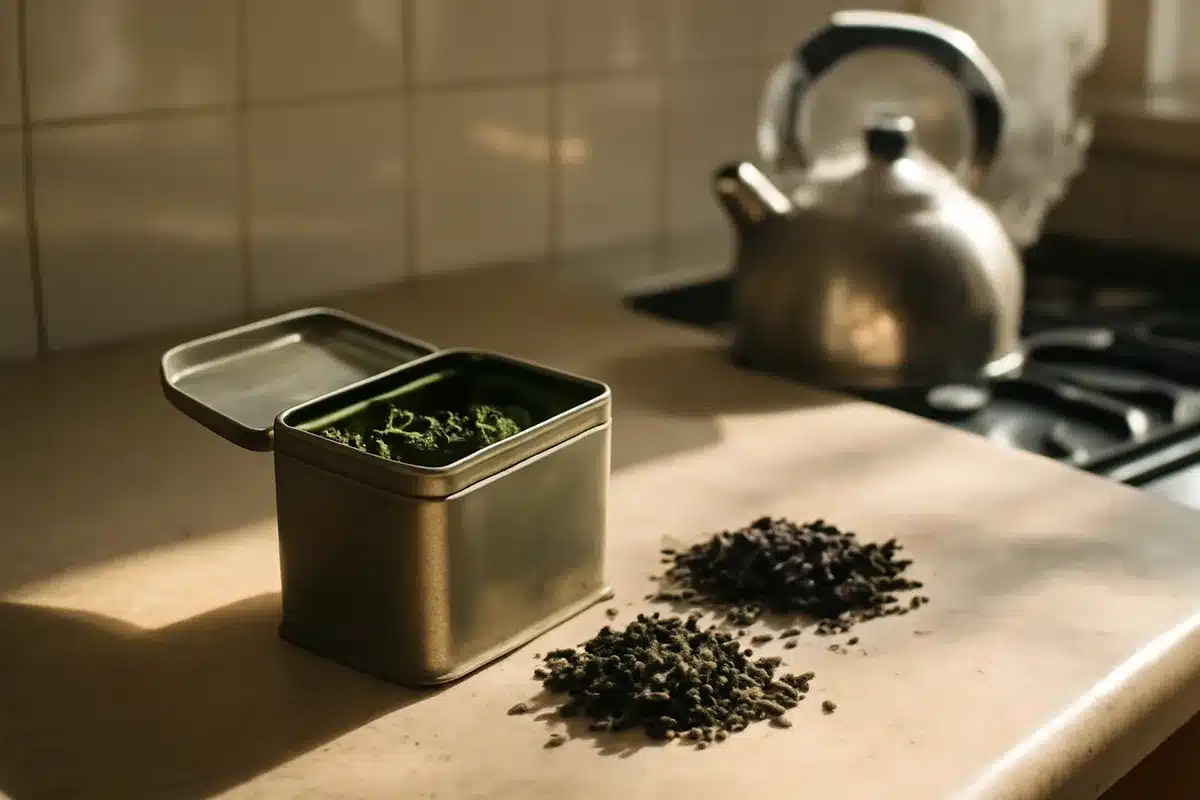
- Store green tea in opaque, airtight containers away from heat; expect the freshest taste within months rather than years.
- Experiment with water temperature: start at about 75–80°C (167–176°F) for many green teas and near boiling for black teas, adjusting steep times to taste.
- If you’re chasing health benefits, remember different compounds prevail in each style; no single tea is a universal remedy.
Understanding that a single plant can yield such different cups helps demystify tea beyond marketing labels. Whether you prefer something bright and vegetal or rich and malty, that choice starts not at the kettle but in the minutes and methods applied to the leaf right after harvest.
Chevy Chase surprises SC drive-thru diners: in town for Christmas Vacation screening
Pink gin under $30 tops taste tests: classic London distillery behind surprise hit