Show summary Hide summary
Many enjoy hojicha for its warm, roasted character, but some cups can carry an off-putting, almost fishy note. That unexpected aroma usually signals either a problem with the tea itself or how it was kept — and it matters because aroma and freshness are central to both flavor and the tea’s healthful qualities.
What makes hojicha different — and why that matters
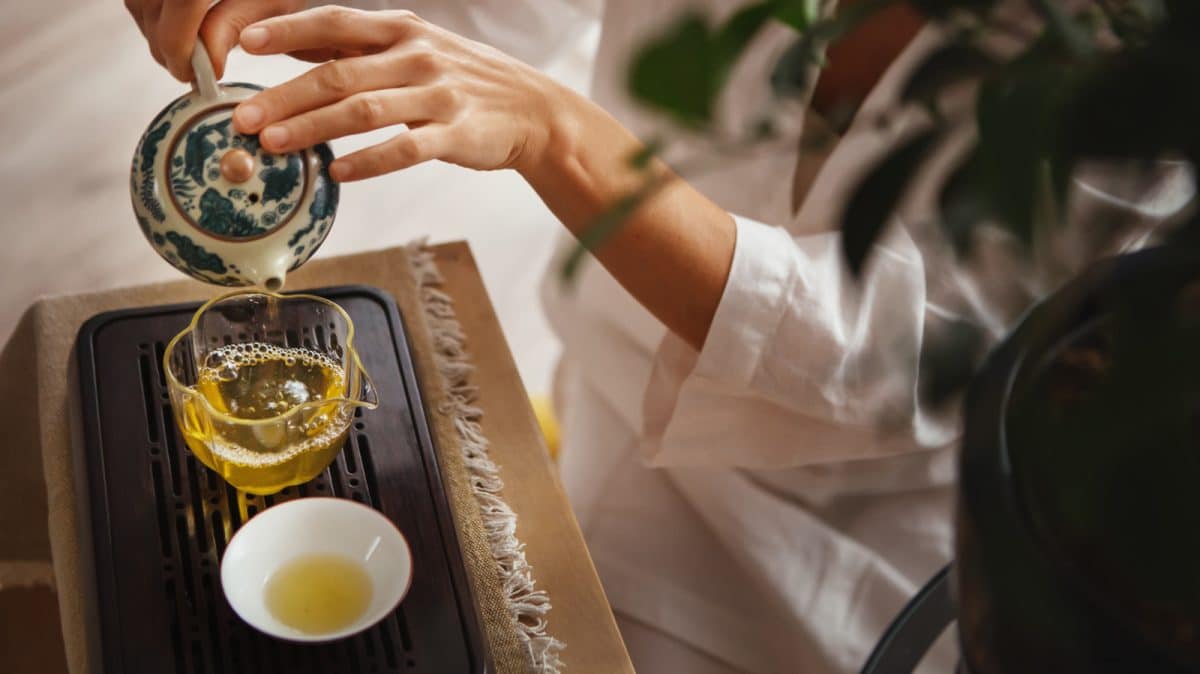
Hojicha is a Japanese green tea roasted at high heat, a technique that turns the leaves brown and softens the typical grassy edge found in steamed green teas. The roast brings forward toasty, nutty tones and reduces caffeine, which is why many people reach for it as a relaxing alternative in the evening.
Caramel, butterscotch, toffee: how their differences affect your desserts
McDonald’s rebrands Twitter to honor Bubba Wallace after his first NASCAR Cup win
Because roasting alters the leaf chemistry, hojicha’s aroma depends heavily on the integrity of its oils and volatile compounds. When those compounds break down, the tea loses the warm, toasty notes and can develop off‑aromas that some describe as fishy or stale.
Common causes of a fishy smell
Tea experts point to two main culprits: the tea’s quality and storage history. Jee Choe, a certified tea sommelier, notes that a fishy or briny scent most often indicates either a lower-grade product or one that has deteriorated after purchase.
Degradation can happen quietly. Exposure to air, sunlight, heat, humidity or strong pantry smells strips fragile oils from the leaves and speeds chemical changes. Leaves can also act like sponges for nearby odors — a jar kept beside spices or oily foods may pick up those scents over time.
How to store hojicha (and other loose‑leaf teas)
Proper storage preserves aroma and flavor. Below is a quick checklist to keep hojicha tasting as intended:
- Airtight container: Use an opaque canister or caddy with a tight seal to limit oxygen exposure.
- Cool, dark place: Avoid sunlight and heat sources; a kitchen cabinet away from the stove is ideal.
- Keep dry: Moisture promotes mold and rapid flavor loss; never return leaves with a wet spoon.
- Separate flavors: Store flavored or scented teas away from plain teas to prevent cross-contamination.
- Buy fresh, buy small: Purchase amounts you’ll use within weeks to months and check roast or pack dates when available.
If you already follow these steps but the tea still smells wrong, the issue may be the batch itself. Lower-grade hojicha or blends made from dusty leaf fannings are more prone to off‑aromas even when stored correctly.
Practical steps if your hojicha smells fishy
Before tossing the tin: try a small tasting at hotter temperature or shorter steep to see if the off-note persists. If it does, return the product to the seller or try a different source — reputable vendors usually provide roast or pack dates and will stand behind fresher stock.
For regular drinkers, the simplest defense is to buy whole‑leaf, single‑origin hojicha from a trusted seller and rotate your stash so nothing sits too long. That way you keep the tea’s characteristic warmth without unwelcome surprises.
Irish whiskey: approachable bottles new drinkers should try today
Fishtown restaurants ranked: must-visit spots locals are raving about