Show summary Hide summary
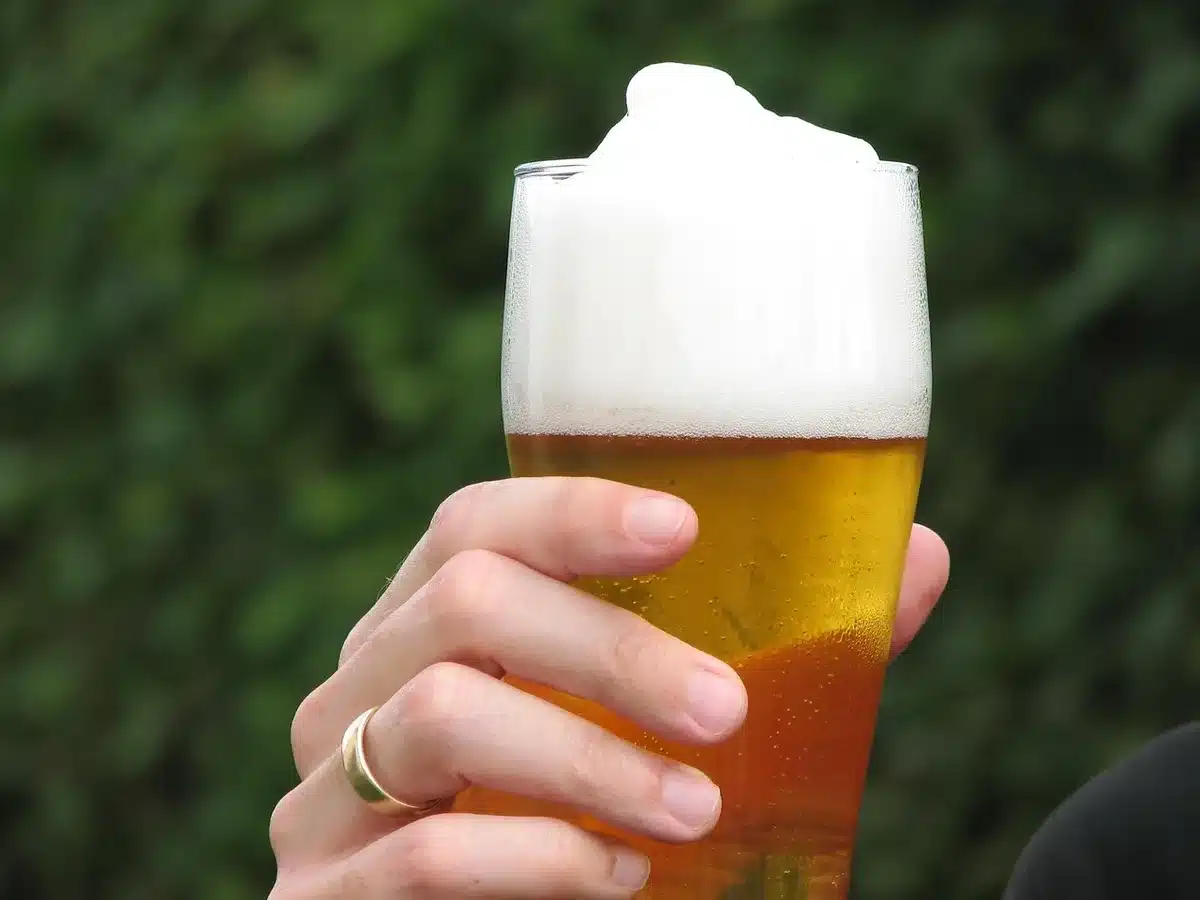
A single ordinary pantry ingredient can lift the flavor of a budget beer without any fuss, and knowing how to use it matters now as more people drink at home and look for small ways to improve cheaper pours. A light touch of salt reshapes how your palate detects bitterness and sweetness, making low-cost lagers feel more balanced rather than masking flaws.
Salt works by changing perception, not by adding new ingredients to the beer. Sodium ions blunt some bitter sensations and amplify underlying malt and acid notes, so a beer that initially seemed thin or one-dimensional can suddenly taste fuller and cleaner.
How to try it — simple steps
Start conservatively. A tiny pinch is usually enough; you should never be able to pick out a sharp salty flavor. There are two common approaches: rim the glass, or drop a small amount directly into the liquid. Taste after each adjustment and stop once the beer feels more rounded.
Sushi salon draws diners with must-try fish creations
9 homemade savory pies to try now: ditch frozen for real flavor
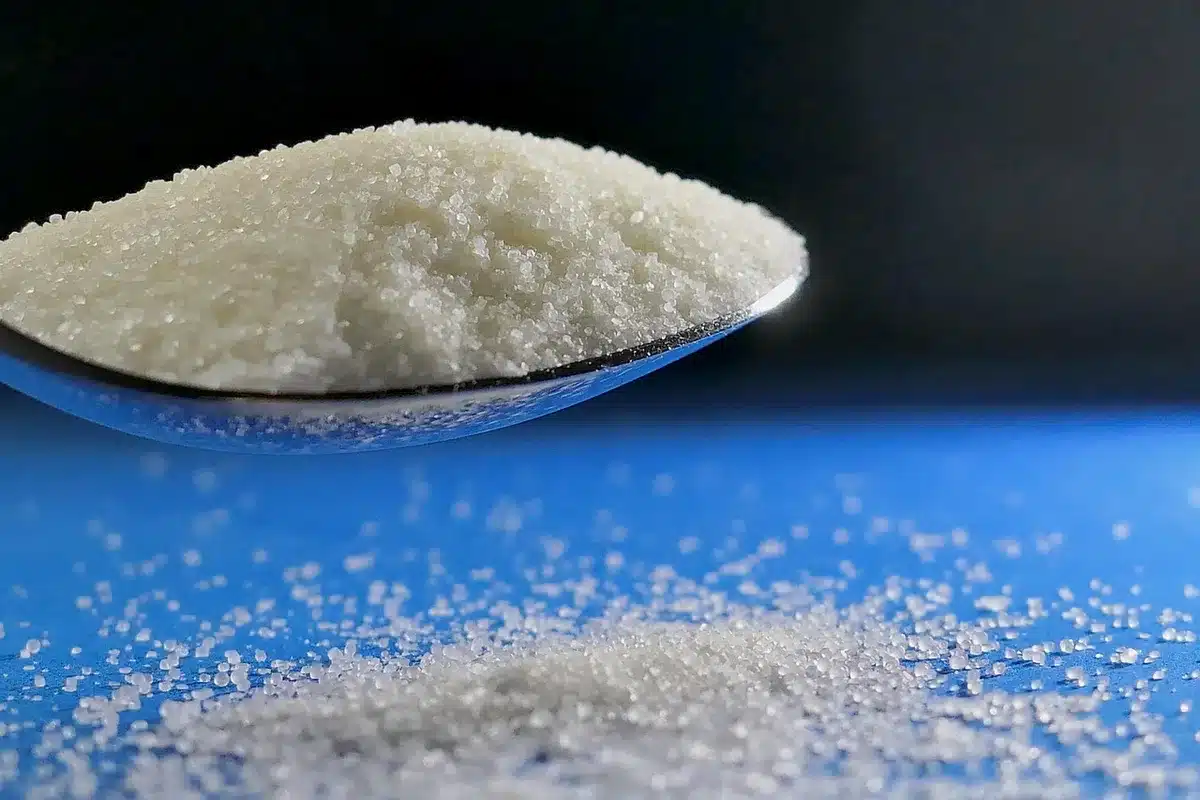
- Use table salt for quick dissolution; fine grains blend into cold beer faster than coarse flakes.
- If you rim the glass, salt plus a squeeze of citrus can brighten the drink without making it taste salty.
- Experiment with specialty salts—smoked, citrus-infused, or flavored blends—but add them cautiously.
- Avoid using salt to rescue beers that are stale, skunky, or otherwise spoiled; it can improve balance but won’t remove off-odors.
Some bartenders have pushed the idea further, adding tiny amounts of saline to cocktails to tame bitterness. The same principle applies to beer: small doses alter taste perception rather than overhaul the beverage.
Roots and regional habits
The practice of salting beer has deep cultural lines. In parts of the American Southwest and Texas, ordering a beer “dressed” often gets you salt and lime—a habit with clear ties to Mexican drinking customs. Mexican-style beer drinks such as the Michelada or the naturally salty German ale called gose demonstrate how salt and acidity pair well with carbonation and hop bitterness.
Those traditions show why the trick persists: the combination of salt, acid and a little heat (from chili powders or hot sauces) can create a more engaging, layered drinking experience even with inexpensive brands.
What salt won’t do
Don’t expect magic. Salt won’t add malt sweetness or genuine body; it only changes how your senses interpret what’s already in the glass. If a beer is genuinely oxidized or contaminated, adding sodium will do little to correct the problem.
Still, for anyone with a cooler full of economy lagers or a beer that plays too bitter at first sip, a cautious sprinkle is an easy, low-cost experiment with immediate results.
Try it once, taste carefully, and you may find that a modest adjustment turns an ordinary beer into something unexpectedly pleasant.
Carvel Hocus Pocus milkshakes hit shelves to kick off Halloween countdown
Costco Kirkland Sauvignon Blanc: New Zealand producer behind the popular Marlborough label revealed