Show summary Hide summary
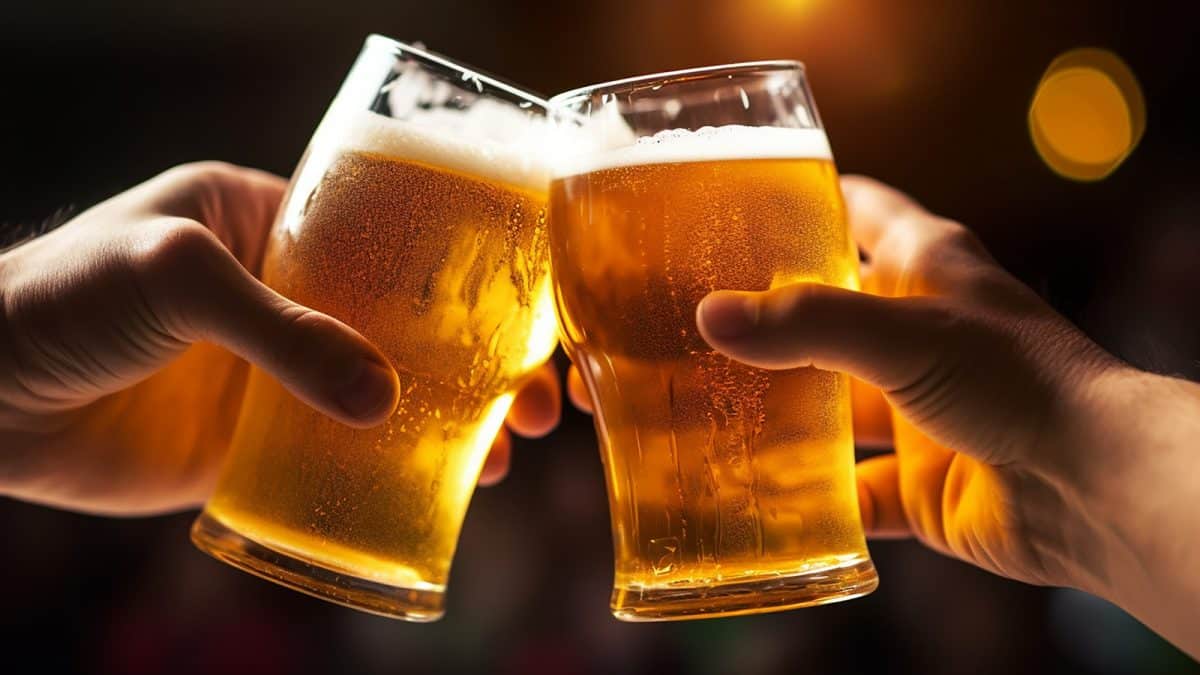
For bartenders, the “cheap beer” they reach for after a shift reveals more than thrift — it maps workplace rituals, regional ties and the exact kind of refreshment people want when service is over. These off-duty choices matter now as venues rebalance menus and guests increasingly seek local or familiar brands.
Bartenders, beverage directors and bar owners across the U.S. named staples that balance ease, refreshment and memory. Some picks center on regional identity; others are chosen for consistency or the way they cut through a long night of service. Below are the beers that kept coming up — and why they endure behind the bar.
- Pacifico — A light Mexican lager prized for its chill factor and easy pairing with seafood or tacos.
- Miller High Life — Valued for steady flavor and versatility, whether sipped straight or mixed into simple beer cocktails.
- Genesee Cream Ale — A regional favorite in upstate New York, often linked to nostalgia and outdoor gatherings.
- Narragansett Lager — A New England coastal classic frequently associated with beach and boat days.
- Pabst Blue Ribbon (PBR) — The economical, widely available default that many pros return to for comfort and habit.
- Local IPAs — Craft-forward but approachable hop profiles that bartenders choose when they want flavor without fuss.
Caramel, butterscotch, toffee: how their differences affect your desserts
McDonald’s rebrands Twitter to honor Bubba Wallace after his first NASCAR Cup win
Pacifico: the go-to for heat and seafood
In multiple coastal and summer-focused bars, Mexican lagers topped the list for their simplicity and refreshing finish. Drinkers favor an ice-cold bottle, often brightened with a wedge of lime, because it doesn’t demand attention — it just cools you off and pairs well with light food.
For bartenders working long shifts in warm climates or seafood-forward kitchens, that predictability is key: a beer that’s reliably crisp and low in alcohol lets them unwind without committing to complex flavors.
Miller High Life: dependable and adaptable
Veteran bartenders praised this classic for the same reason they trust well-maintained tap lines — consistency. Whether you’re decompressing after service or ordering a second round at a familiar dive, Miller High Life’s straightforward profile makes it an easy, crowd-pleasing choice.
Its light body and neutral character also make it useful behind the bar for quick beer-based mixed drinks, which gives it a practical edge beyond nostalgia or price.
Genesee Cream Ale: local identity in a can
Some selections are less about national marketing and more about geography. In upstate New York, Genesee Cream Ale carries the weight of local memory: cookouts, campfires and the kind of first-beer stories that get passed through generations.
Technically brewed as an ale but poured with lager-like drinkability, it offers a touch of sweetness and an unpretentious profile that feels right after a long shift. For bars in its home region, stocking it is both a service decision and a cultural choice.
Narragansett Lager: summer on the water
For New England bartenders, a bottle of Narragansett can be shorthand for a seaside afternoon. Its mild, saline-friendly taste pairs naturally with fried or steamed seafood, which is why it’s a fixture at coastal taverns and docksides.
That association with place — not just price — helps explain why it remains a go-to for locals and hospitality staff who grew up with it.
Pabst Blue Ribbon: the ubiquitous industry fallback
Across different markets, PBR shows up as the archetypal industry beer: cheap, everywhere, and instantly recognizable. Many hospitality workers describe their preference as a product of repeated exposure — the cheapest option available during long college nights or early shifts that became a habit.
Its ubiquity also makes it a social lubricant: easy on the tab, easy to order, and easy to share stories over when the bar closes.
IPAs: craft quality without overthinking
Not every bartender equates “cheap” with macro lager. Some favor approachable local IPAs that deliver satisfying hops without demanding a tasting session. For those immersed in complex cocktail and wine programs, a balanced IPA can be the right kind of bold — flavorful enough to please, simple enough to relax with.
In cities with strong craft scenes, bartenders often reach for hometown brews or gluten-free alternatives that reflect personal taste and local supply rather than lowest cost.
What these choices reveal
The selections show that “cheap beer” is often shorthand for a package of qualities: familiarity, refreshment and context. For people who spend their nights reading orders and cleaning lines, the ideal after-shift beer answers a practical question — what will reset my palate, restore energy and sit lightly?
For bar owners and operators, the lesson is straightforward: stocking a mix of dependable classics and well-chosen local options meets staff and customer expectations alike. Maintaining clean draft lines and offering a few regionally resonant cans is as important as pricing strategy.
Ultimately, these modest bottles and cans function as small rituals — end-of-shift rewards, symbols of place, and simple pleasures that keep the hospitality workforce connected to their communities and work.
Irish whiskey: approachable bottles new drinkers should try today
Fishtown restaurants ranked: must-visit spots locals are raving about