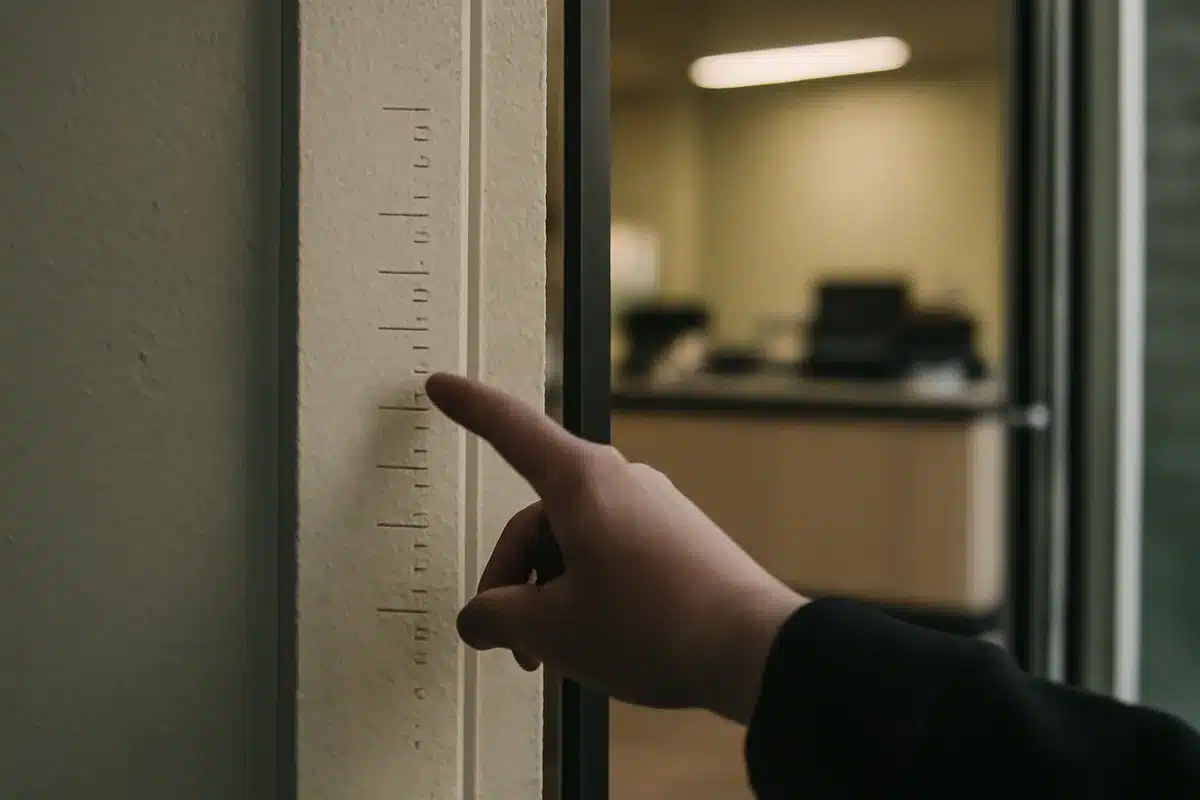
A brief TikTok filmed inside a Dunkin’ shop has renewed attention on an everyday security detail many customers miss: small height markings by the door. The clip — and the reaction to it — matters because those unobtrusive lines are meant to help witnesses give more useful descriptions to police after a robbery.
The video, posted this month by a user who goes by @officialjuice93, pans to the entrance where faint ruler-like marks run up the door frame. In less than five seconds the clip makes its point; viewers who hadn’t noticed the lines expressed surprise, while others called them standard practice at many businesses.
A look back at reporting on the subject shows why these markings exist. A 2012 Slate article outlined how stores, banks and restaurants sometimes add them so employees and bystanders can quickly estimate a suspect’s height for law-enforcement descriptions.
Caramel, butterscotch, toffee: how their differences affect your desserts
McDonald’s rebrands Twitter to honor Bubba Wallace after his first NASCAR Cup win
Why the markings matter now
Even a short, clear height estimate can sharpen a police description and speed identification. In chaotic incidents witnesses often remember clothing or gait but struggle with precise measurements — the markings provide an immediate visual reference.
The TikTok clip has reached a wide audience, gathering more than 450,000 views, and prompted a mix of reactions. Some commenters said they’d never noticed such markers before; others replied that they’re common in fast-food outlets, banks and other places with registers.
- Purpose: To give a quick, objective gauge of a suspect’s height for police reports and surveillance comparisons.
- Where you’ll see them: Frequently in storefronts with cash registers — fast-food restaurants, convenience stores and some banks.
- Limitations: Lighting, camera angle and footwear can still skew estimates; the marks help but aren’t a perfect substitute for surveillance footage or witness statements.
- What witnesses should do: Note clothing, direction of travel and distinguishing features, then tell officers any reference points (e.g., “about to the 6-foot mark on the door”).
Public reaction on social media highlighted regional differences. Several people noted the practice is routine where they live; others said the marks were news to them. A few responses treated the discovery lightly — one commenter joked about using the markings on a date — but the underlying function is decidedly practical.
Small measures like these are part of broader shop-safety practices that include clear sight lines to cameras, staff training and incident documentation. While not visible to every customer, such details can make eyewitness accounts more actionable.
Representatives for Dunkin’ were contacted for comment.
Irish whiskey: approachable bottles new drinkers should try today
Fishtown restaurants ranked: must-visit spots locals are raving about