Show summary Hide summary
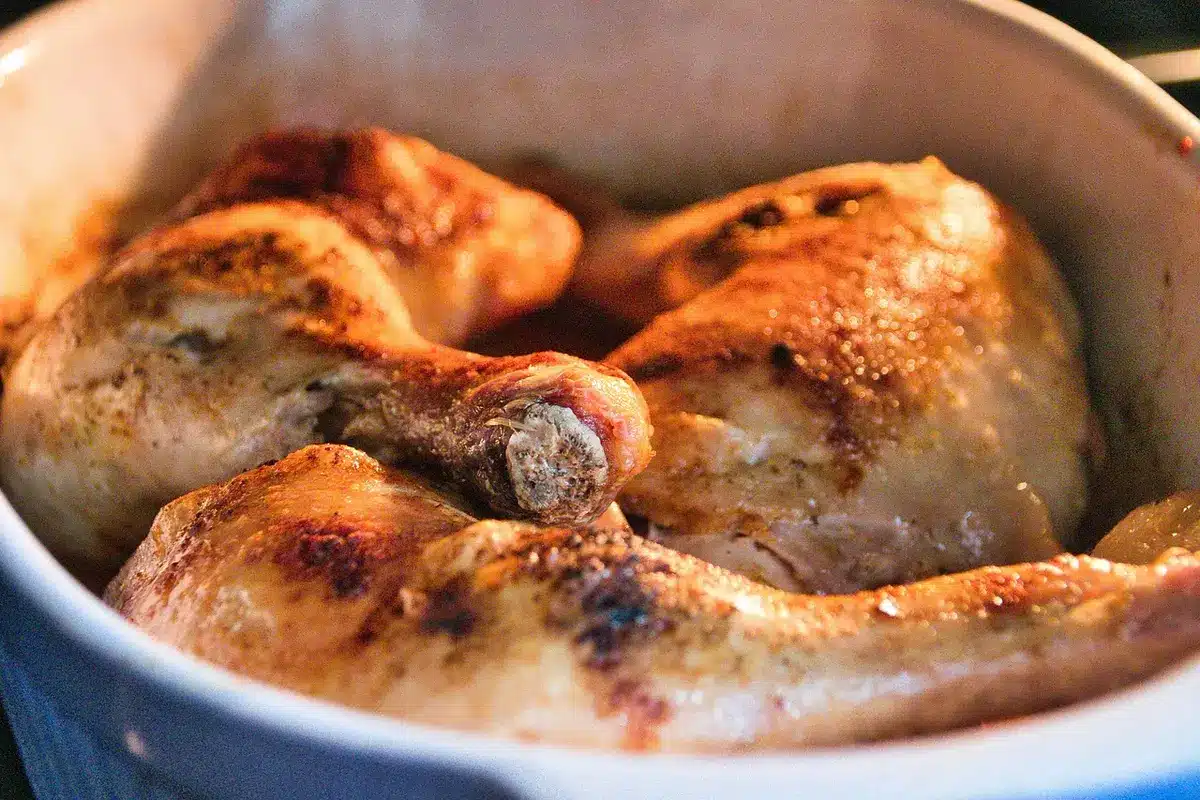
A hot cast-iron skillet can transform a plain chicken dinner into something that looks and tastes like it took hours to prepare. By pairing quick stove-top searing with gentle oven finishing, cooks get a crisp exterior and consistently moist meat—two qualities that matter for weeknight and weekend meals alike.
Why a skillet makes a difference
Cast iron holds heat and spreads it evenly, which helps skin brown without overcooking the interior. The metal’s ability to move from burner to oven also lets you start a dish with an intense sear and finish it in ambient, consistent heat—simpler and more reliable than juggling multiple pans.
Caramel, butterscotch, toffee: how their differences affect your desserts
McDonald’s rebrands Twitter to honor Bubba Wallace after his first NASCAR Cup win

Those thermal properties have practical outcomes: fewer burned spots, predictable carryover cooking, and a single vessel for sautéing vegetables, making pan sauce, and roasting. For home cooks aiming to cut cleanup while improving flavor, that combination is significant.
Key techniques for crisp skin and juicy meat
- Dry the skin—pat chicken completely dry before seasoning to encourage browning rather than steaming.
- High-heat sear—heat the skillet until it’s shimmering, then add oil; start skin-side down and resist moving the bird until a golden crust forms.
- Finish in the oven—after searing, transfer the pan to a preheated oven to cook through evenly without charring the outside.
- Use bone-in cuts when possible—thighs and drumsticks tolerate high heat and stay more forgiving than breast meat.
- Rest before slicing—let the chicken sit for 5–10 minutes so juices redistribute and the meat stays tender.
- Deglaze for sauce—use wine, stock, or even vinegar to lift browned bits from the pan and create a fast pan sauce.
Not every dinner needs long marinades or complicated steps. These basic moves shift results dramatically—and quickly.
| Cut | Best approach | Typical timing |
|---|---|---|
| Bone-in thighs | Sear skin, oven-finish | Stovetop 6–8 min; oven 18–25 min (425°F) |
| Boneless breasts | Flatten slightly, quick sear, short oven | Stovetop 3–4 min per side; oven 6–10 min (400°F) |
| Whole chicken | Brown in pan, roast breast-side up | Sear 10 min; oven roast 45–60 min (400–425°F) |
Five skillet chicken ideas to try
These concepts are designed for easy execution and maximum flavor.
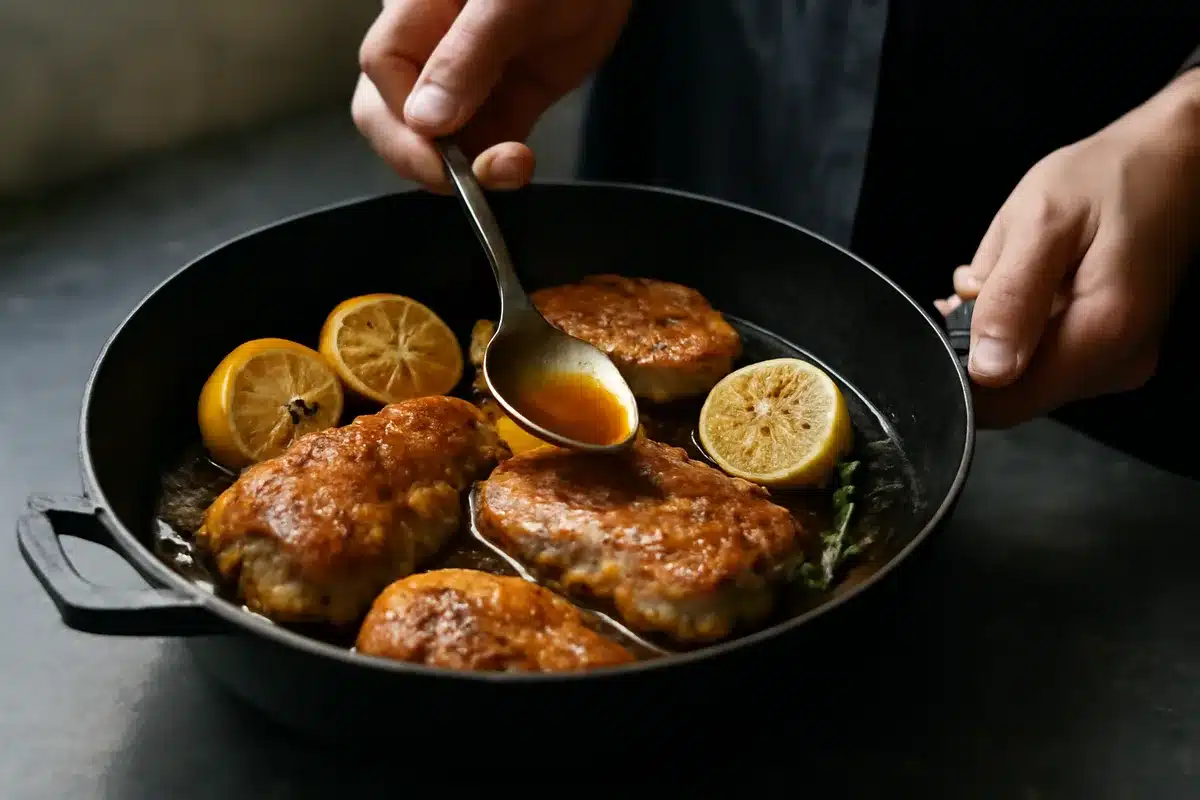
Pan-roasted lemon-thyme thighs: Sear seasoned thighs until deeply golden, add halved lemons and fresh thyme, then roast. Finish with a spoonful of pan juices.
One-pan chicken pot pie: Start with browned pieces, stir in diced vegetables and a quick white sauce, top with puff pastry or a biscuit dough, and bake until puffed and golden.
Garlic-butter breast with wilted greens: Cook breasts quickly, remove, then toss garlic and kale or spinach in the same pan and return the chicken for a minute to warm through.
Skillet chicken with root vegetables: Cube potatoes and carrots, brown briefly, nestle seasoned bone-in chicken among them, and roast together until tender—minimal babysitting, maximum comfort.
Why this still matters now
With many readers looking for dependable, low-fuss weeknight meals, cast-iron chicken recipes deliver both speed and flavor without lots of equipment. They also scale easily—cook extra for sandwiches, salads, or reheated lunches, and you cut food waste while making dinner simpler.
Try one of the techniques above this week: you’ll get crisp skin, even cooking, and a single pan to wash. Small changes in technique bring consistent improvements at the stove, and that matters for everyday cooking.
Irish whiskey: approachable bottles new drinkers should try today
Fishtown restaurants ranked: must-visit spots locals are raving about