Show summary Hide summary
You can make a classic, tender apple pie without steaming or sautéing the fruit first — a small change that saves time and preserves bright apple flavor. For home bakers pressed for time, the raw filling method keeps the slices intact during baking and produces a lively, not mushy, texture that matters as apples come into season.
Why this matters now: with apple varieties showing up in markets and farmers’ stands, skipping the extra stovetop step makes a great pie faster while reducing cleanup. The approach also leaves room to highlight varietal differences and tweak the filling for firmer or softer apples.
How raw filling works
Baking the pie with raw apple slices relies on heat and time to release juices and soften fruit inside the pastry. Success depends less on pre-cooking and more on three controls: the apple variety, a reliable thickener, and oven temperature. Together they prevent a soggy bottom while keeping clear, fresh apple notes.
Josephine sparks bistro buzz in Silver Lake
Green tea or black tea: nutritionists reveal the healthier choice and quick brewing tips
Two simple adjustments change the outcome: cut the fruit uniformly and use a thickener that sets during baking. Also resist overfilling — a packed shell creates excess liquid that won’t all evaporate in the oven.
Step-by-step essentials
Follow these practical steps for a dependable raw-apple pie:
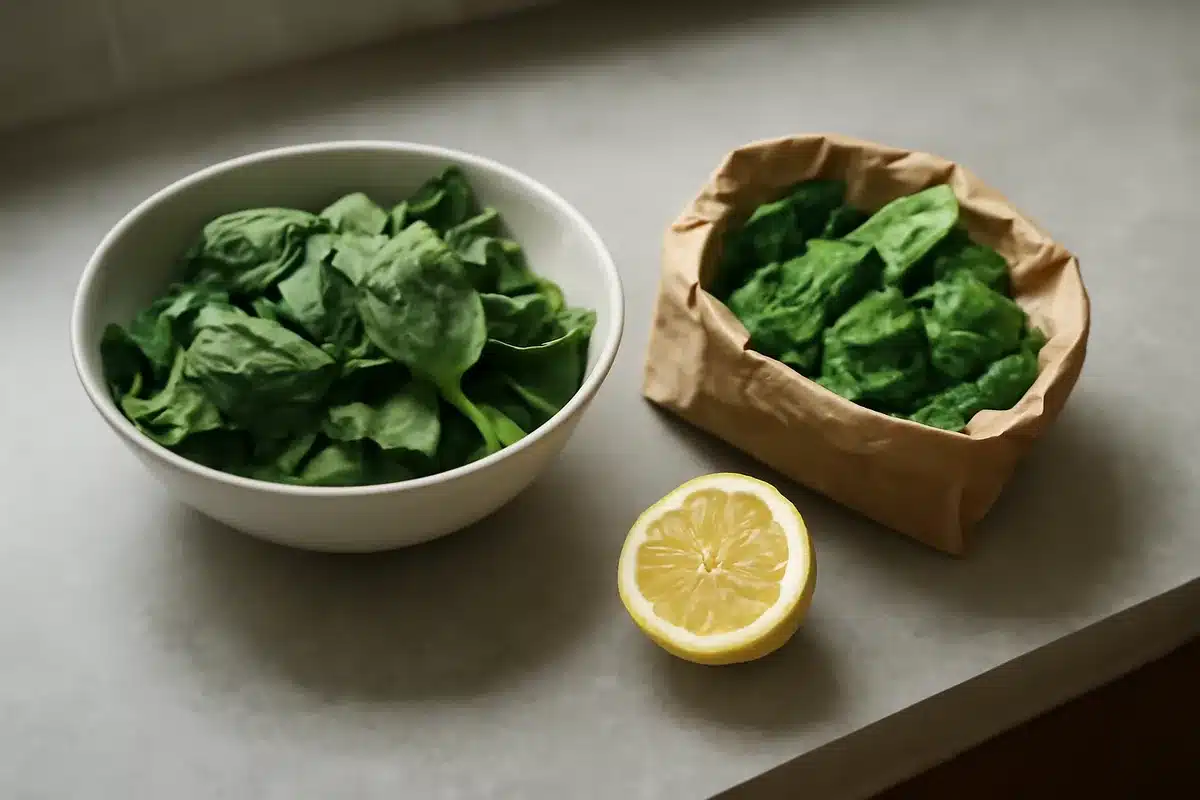
- Toss sliced apples with a little lemon juice to retain brightness and prevent browning.
- Add sugar and a light dusting of spice — cinnamon, nutmeg, or a pinch of cardamom — to taste.
- Use a binder such as cornstarch or instant tapioca to absorb juices and thicken the bake without turning the filling gluey.
- Place the pie on a rimmed baking sheet to catch any overflow during baking.
- Bake in a preheated oven at 375°F (190°C); depending on size and oven, 45–60 minutes is typical.
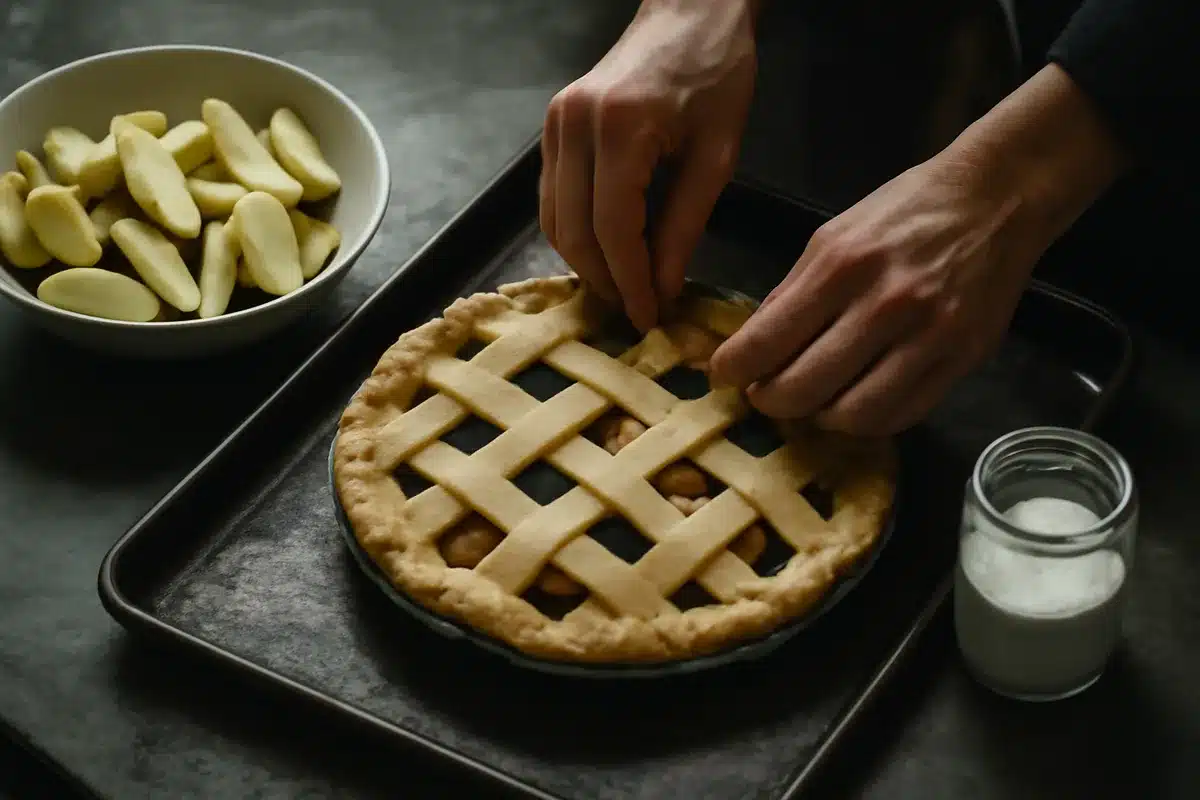
Some bakers prefer a lattice or vented top to allow steam to escape, which helps concentrate flavors and speeds evaporation. Others seal the top and set the pie on a higher rack for the last portion of baking to brown the crust without over-softening the interior.
Which apples to choose
Not all apples behave the same when baked. Choose based on whether you want slices that hold shape or ones that soften into a creamier filling.
- Granny Smith — tart, firm, and reliable for clear slices that keep structure.
- Honeycrisp — crisp with balanced sweetness; good if you like a lively texture.
- Braeburn and Pink Lady — versatile options that strike a middle ground between firmness and tenderness.
- Fuji and Gala — sweeter and softer; use a firmer thickener ratio and slightly shorter bake to avoid collapse.
Mixing two or three varieties often yields the best balance of acid, sugar, and texture.
Common pitfalls and fixes
If the filling is runny: try increasing the thickener slightly next time and allow the pie to rest for at least two hours after baking so the juices set. If the crust browns too fast while the filling remains undercooked, tent the top with foil and continue baking until the center is set.
For a crisper bottom crust, prebake briefly (partially blind-bake) for 8–10 minutes, or bake on a preheated pizza stone or inverted baking sheet to give the base extra direct heat.
Done well, a pie baked from raw apples is faster, less fussy, and showcases the fruit’s fresh character. With a few small technique choices you get a homey, well-textured dessert that stays true to the apples — and to what matters most this season: flavor and simplicity.
Chevy Chase surprises SC drive-thru diners: in town for Christmas Vacation screening
Pink gin under $30 tops taste tests: classic London distillery behind surprise hit