Show summary Hide summary
As cooler weather arrives and markets stack shelves with roots and tubers, many shoppers still struggle to tell them apart. Knowing which is which matters for flavor, cooking method and shelf life — and it can save a recipe that’s about to go wrong.
Spotting the differences at a glance
At first glance, many tubers look interchangeable: knobbly, brown and heavy. But small visual and textural cues will tell you whether you’ve picked a baking potato, a sweet potato, a true yam, or something more unusual like taro or cassava.
Caramel, butterscotch, toffee: how their differences affect your desserts
McDonald’s rebrands Twitter to honor Bubba Wallace after his first NASCAR Cup win
| Tuber | Key appearance | Texture & taste | Best uses |
|---|---|---|---|
| Sweet potato | Smooth skin; colors range from pale yellow to deep orange or purple | Moist, sweet when cooked; softens easily | Roasting, mashing, pies, fries |
| Yam (true) | Rough, bark-like skin; cylindrical and often very large | Drier, starchy; less sweet | Boiling, stews, heavy baking — often used in West African and Caribbean dishes |
| Potato | Thin to thick skin with “eyes”; varieties vary in color | Ranges from waxy to starchy | Baking, frying, boiling — choose variety by texture |
| Taro | Hairy, fibrous skin; flesh may be white with purple flecks | Dense and a little sticky when cooked | Puréed dishes, steaming, frying — used in Asian and Pacific cuisines |
| Cassava (yuca) | Thick, brown bark-like skin; fibrous core | Dry and starchy; must be cooked to remove toxins | Frying, boiling, making flour or tapioca |
One practical note shoppers should know: in many U.S. supermarkets the orange-fleshed sweet potato is sometimes labeled as a “yam.” That labeling tradition persists from decades ago and does not indicate a botanical yam.
Quick tips for buying and storing
When choosing tubers, handle them gently. Avoid pieces with soft spots, deep cuts or sprouting eyes — those are signs of age or damage. Fresher roots will feel firm and heavy for their size.
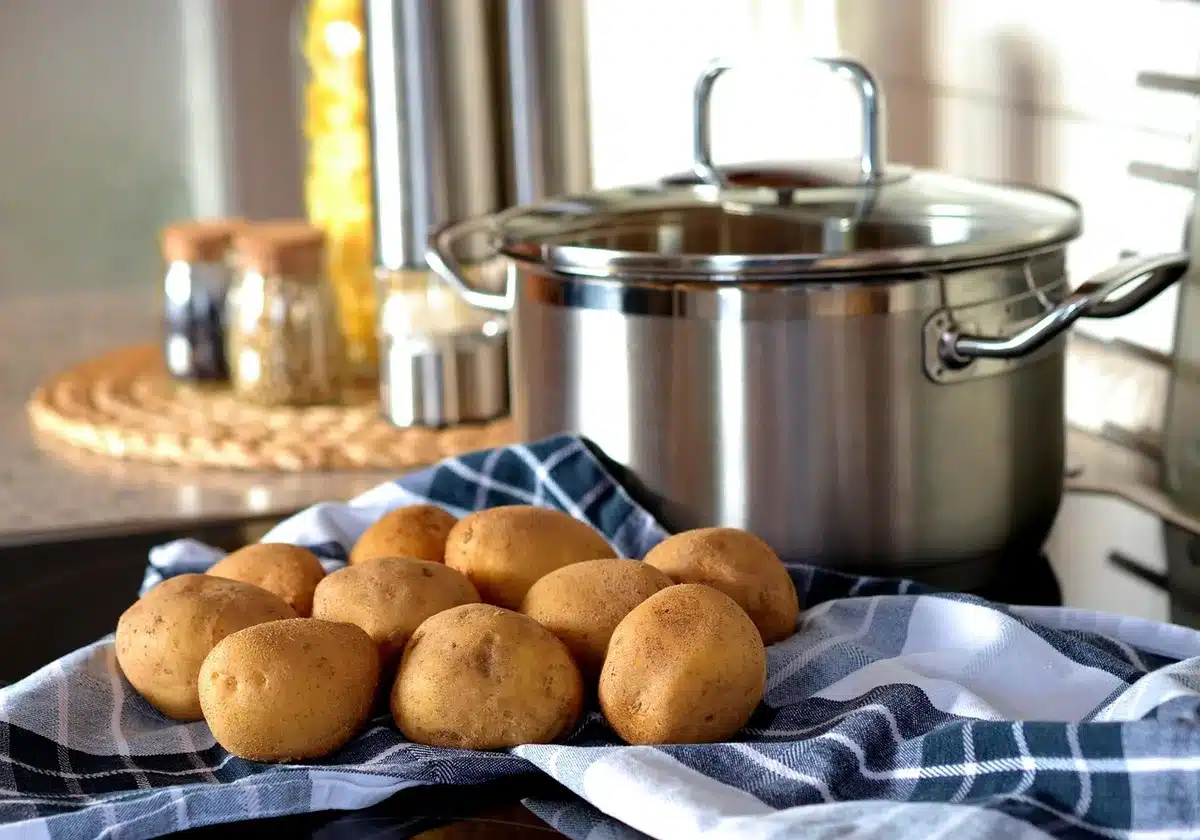
- Storage: Keep most tubers in a cool, dark, well-ventilated place — not the refrigerator — to preserve texture and flavor.
- Separation: Store onions and potatoes apart; gases released by onions can speed up sprouting in potatoes and similar roots.
- Prepped options: Frozen or pre-cooked tubers are convenient and hold up well when time is tight; read labels to choose minimally processed options.
Cooking choices that hinge on the right tuber
Which tuber you use can change a dish more than you might expect. For a fluffy mash or a crisp roast, a high-starch potato is the safer bet. For a sweeter, creamier result — think marshmallow-topped casserole or velvety pie filling — go with a soft orange sweet potato.
Some tubers require specific handling: cassava must be cooked thoroughly to neutralize natural compounds; taro should never be eaten raw because its oxalates can irritate the mouth. These safety details matter especially if you’re experimenting with recipes from other cuisines.
And if convenience is the priority, frozen sweet potato cubes or purées can reproduce fresh results with less waste — a useful option during busy holiday prep or when fresh supplies are limited.
What to remember
Look beyond the label and check the skin, feel and weight. Use higher-starch roots for roasting and frying, and moister, sweeter varieties where richness is required. A little attention at the market pays off in the kitchen: the right tuber makes for a better texture, truer flavor and fewer surprises when it’s time to serve.
Irish whiskey: approachable bottles new drinkers should try today
Fishtown restaurants ranked: must-visit spots locals are raving about