Show summary Hide summary
Choosing the right basil can change a meal from good to authentic. With summer markets full of both Italian and Thai varieties, cooks need to know which leaf to reach for — and why it matters to the final flavor of a dish.
Two basils, very different roles
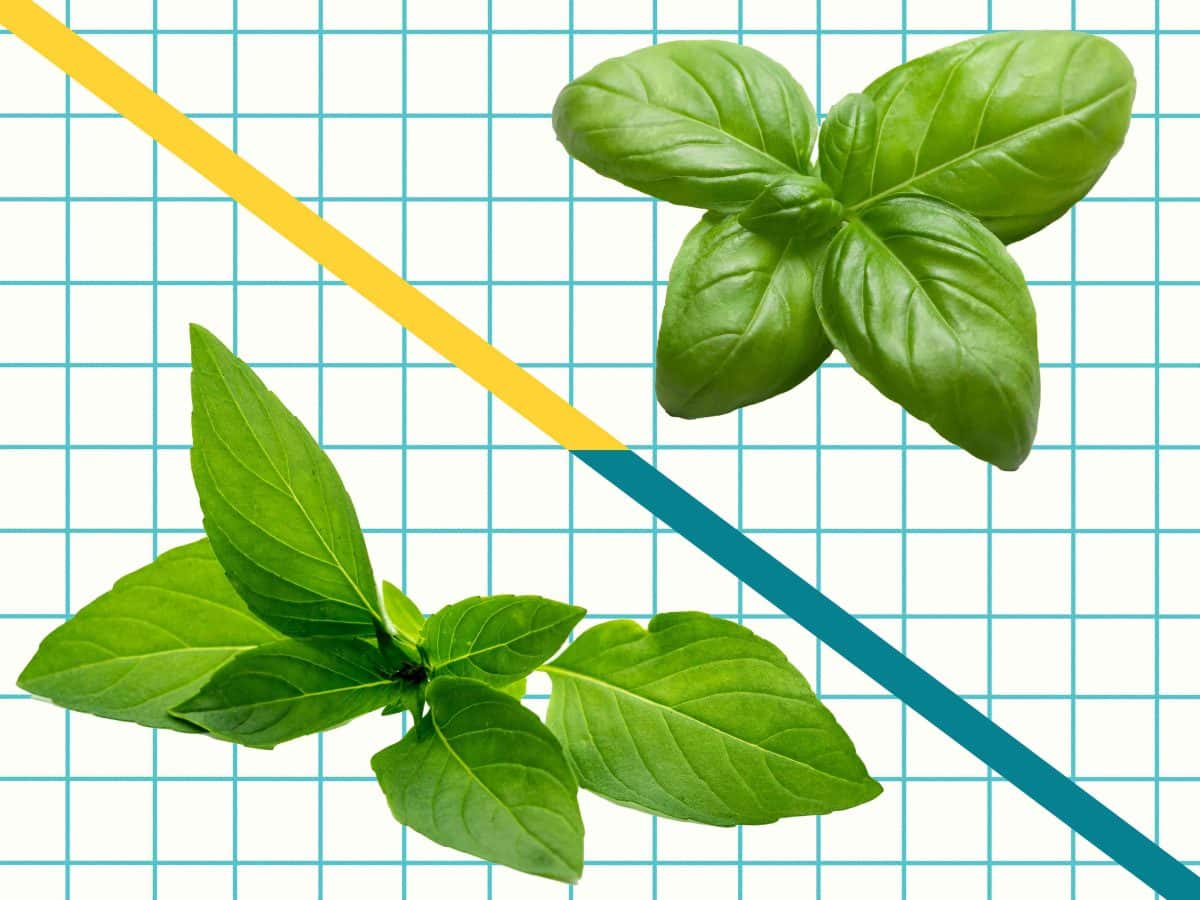
Italian basil — often labeled as sweet basil — carries a fresh, mildly peppery aroma with subtle clove and mint undertones. The leaves are broad and tender, which makes them ideal for raw applications where texture and fragrance should shine.
Caramel, butterscotch, toffee: how their differences affect your desserts
McDonald’s rebrands Twitter to honor Bubba Wallace after his first NASCAR Cup win
Thai basil brings a sharper, licorice-like note and firmer, narrower leaves that hold up to heat. It’s the aromatic backbone of many Southeast Asian dishes, where its aniseed tones complement chiles, fish sauce, and coconut.
When to use each
Pick sweet basil for dishes that rely on bright, herbaceous freshness: torn over ripe tomatoes, blended into pesto, or layered into a sandwich. Use Thai basil when the recipe benefits from a bold, slightly spicy edge — think wok-fried stir-fries, curries, and Vietnamese soups.
Substituting one for the other is possible but not neutral. Replacing Thai basil with sweet basil in a curry will mute the distinctive anise flavor; swapping sweet basil for Thai in a Caprese salad will introduce an unexpected licorice note.
| Attribute | Sweet (Italian) Basil | Thai Basil |
|---|---|---|
| Primary flavor | Sweet, peppery, floral | Anise/licorice, slightly spicy |
| Leaf texture | Soft, broad | Firm, narrow |
| Best uses | Salads, pesto, finishing raw dishes | Stir-fries, curries, soups |
| Heat tolerance | Low — add at end | High — stands up to cooking |
| Substitution guidance | Swap 1:1 but expect a different flavor | Use slightly less in raw dishes (¾ to 1) to avoid overpowering |
Practical tips from cooks
- For pesto and vinaigrettes, tear sweet basil by hand to avoid bruising and preserve bright aromatics.
- When adding Thai basil to hot dishes, toss it in at the last minute or stir it through a sauce off the heat to keep its fragrant lift.
- If you must substitute, start with less of the stronger herb and adjust to taste — flavors can become sharp quickly.
- To store basil short-term, keep stems in a jar of water at room temperature and cover loosely; refrigeration can blacken leaves.
Beyond flavor, seasonality matters. Local growers bring the freshest leaves to market in summer; that freshness translates directly into aroma and punch. For home cooks trying to replicate restaurant flavors, picking the correct basil is a small step with outsized impact.
Simple swaps for common dishes
Here are quick guidelines you can use while cooking tonight:
- Caprese, bruschetta, fresh tomato salads: choose sweet basil.
- Green curry, pad krapow, Vietnamese pho garnish: use Thai basil.
- Pesto: stick with sweet basil for the classic profile; add a handful of Thai basil only if you want an herbal twist.
Understanding these differences helps when planning menus or shopping. The two basils are not interchangeable in every context, and recognizing their strengths ensures a final dish that tastes intentional rather than improvised.
Irish whiskey: approachable bottles new drinkers should try today
Fishtown restaurants ranked: must-visit spots locals are raving about