Show summary Hide summary
Public health officials in Louisiana and Florida are sounding the alarm after a significant outbreak tied to Vibrio vulnificus, a bacterium that can cause severe illness when people eat contaminated shellfish or expose an open wound to warm seawater. The spike in cases has prompted seafood advisories and renewed scrutiny of Gulf oyster harvesting as states ramp up testing and consumer warnings.
Why this matters now: the Gulf Coast is entering months when coastal waters warm and bacterial growth accelerates, increasing the risk for anyone who eats raw oysters or handles fresh shellfish. The fallout affects diners, seafood businesses and coastal communities that rely on oyster sales and tourism.
What officials are saying
Caramel, butterscotch, toffee: how their differences affect your desserts
McDonald’s rebrands Twitter to honor Bubba Wallace after his first NASCAR Cup win
State health departments in Louisiana and Florida have reported a cluster of infections over recent weeks and issued guidance to limit exposure. Authorities are investigating links to commercially distributed oysters as well as recreational harvesting after heavy rains and higher-than-average water temperatures.
Public advisories typically urge vulnerable people to avoid raw shellfish and recommend that harvesters follow posted closures. Regulators are also intensifying water monitoring and testing of oyster beds to identify contaminated harvest areas.
How Vibrio vulnificus affects people
Vibrio vulnificus is a marine bacterium commonly present in warm, coastal waters. It can cause two main types of illness: gastrointestinal infection after eating contaminated seafood and serious wound infections after seawater exposure. In rare but severe cases, the bacterium can enter the bloodstream and cause sepsis.
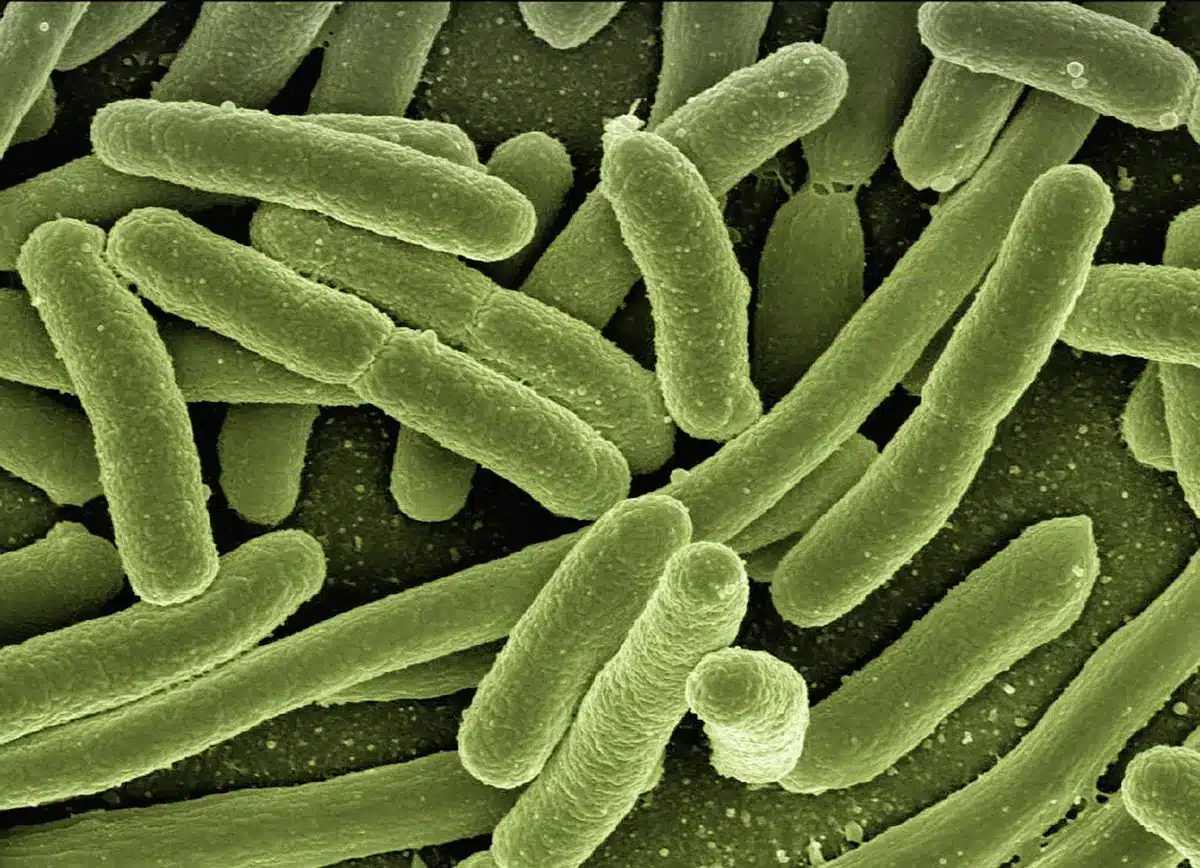
Symptoms vary by route of exposure. After eating contaminated shellfish, people typically experience diarrhea, vomiting and abdominal pain within a day. Wound infections can start with redness and swelling at the injury site and progress rapidly. Certain groups are at much greater risk for severe disease:
- People with liver disease (including cirrhosis)
- Immunocompromised individuals
- People with diabetes
- Older adults
Anyone who develops a high fever, severe abdominal pain, rapidly spreading skin infection, or signs of sepsis after seafood exposure should seek immediate medical attention. Early antibiotic treatment can be lifesaving in invasive cases.
Practical steps for consumers and seafood businesses
Restaurants, fishers and wholesalers are under pressure to prove their products are safe and to adjust sourcing when closures or advisories occur. For consumers, the simplest protective measures greatly reduce risk.

- Do not eat raw oysters if you are in a high-risk group; cooking to an internal temperature of 145°F (63°C) kills Vibrio bacteria.
- Avoid exposing open cuts or sores to seawater or raw shellfish; cover wounds properly and stay out of potentially contaminated water.
- Buy shellfish from reputable suppliers who follow state harvest restrictions and post-harvest processing standards.
- Discard shellfish that have been unrefrigerated for extended periods—the bacterial risk rises quickly in warm conditions.
- If you get ill after eating shellfish, tell your clinician about recent seafood consumption and any wound exposures.
Regulatory and industry responses
Officials can close affected harvesting areas, issue consumer advisories and require additional testing when contamination is detected. The seafood industry also relies on several risk-reduction methods, including time-temperature controls, post-harvest processing such as high-pressure processing (HPP), and depuration where available.
Restaurants and retailers are increasing traceability efforts to document harvest dates and locations. Some coastal communities that depend on oyster festivals and summer tourism face immediate economic pressure when advisories are posted, even if only a fraction of beds are affected.
Public health labs use culture and molecular methods to confirm Vibrio infections and track outbreaks. That surveillance helps officials pinpoint sources and guide remedial steps, but testing takes time and cannot completely prevent every exposure.
What to watch next
Expect more localized advisories as sampling continues and as water temperatures fluctuate. Officials will likely emphasize seasonal messaging: warm months bring higher Vibrio counts, and short-term closures after heavy rains or flooding are common precautionary actions.
For readers planning to eat Gulf oysters or visit coastal areas, the immediate takeaway is straightforward: know your risk, check state health advisories before purchasing or harvesting shellfish, and favor cooked over raw oysters if you fall into a vulnerable category.
Key actions to reduce risk: follow harvest advisories, cook oysters thoroughly, protect wounds from seawater and seek prompt medical care if symptoms appear after exposure.
Irish whiskey: approachable bottles new drinkers should try today
Fishtown restaurants ranked: must-visit spots locals are raving about