Show summary Hide summary
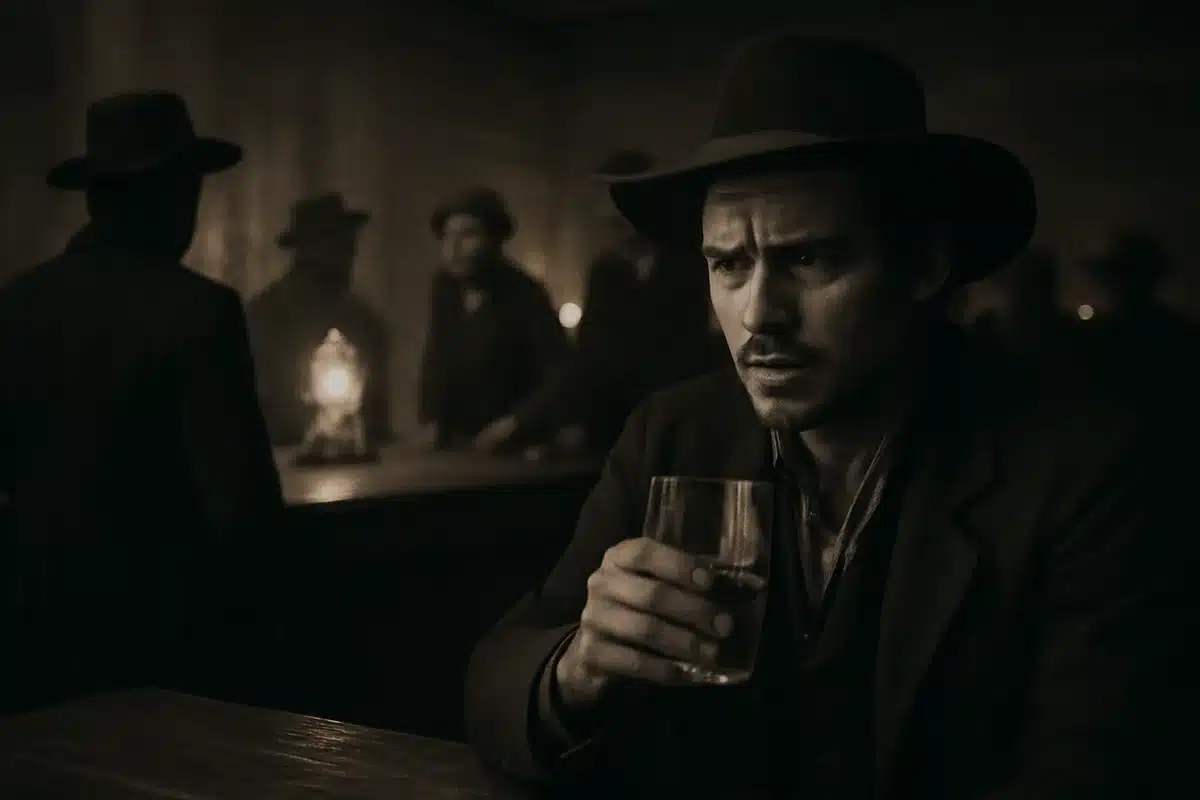
In the mid-1800s frontier towns of the American West, a cheap, potent beverage nicknamed “tarantula juice” circulated through saloons — not a spider-based brew but a dangerous cocktail that mixed hard alcohol with toxic stimulants. The drink and its effects illuminate why modern food and beverage laws and labeling matter to public health today.
How a lethal tonic became frontier liquor
Caramel, butterscotch, toffee: how their differences affect your desserts
McDonald’s rebrands Twitter to honor Bubba Wallace after his first NASCAR Cup win
In places like Carson Valley, Nevada, itinerant traders and saloonkeepers sold ersatz spirits made from wood-grain alcohol — often produced from turpentine and other low-cost sources — rather than traditional distilled whiskey. Into that base went a variety of additives, some medicinal, some deceptive.
Historical reporting, including a 2015 piece in the Tahoe Daily Tribune, traces one recipe to saloonkeeper Nicholas Ambrose of Empire, Nevada, who around 1852 mixed a diluted solution of strychnine with prussic acid and tobacco oil into grain alcohol sold as “gin.” The resulting mixture was dubbed “tarantula juice.”
The name came from the horrifying sensory effects experienced by drinkers: strychnine could trigger muscle spasms, lockjaw and intense tactile hallucinations — victims reported feeling as if insects crawled beneath their skin, a symptom that reportedly drove some back to the bottle the next day in an attempt to ease the sensation.
What the drink actually contained — and what it did
- Wood-grain alcohol: cheap, often turpentine-based neutral spirits sold as whiskey or gin.
- Strychnine: a poisonous alkaloid used at the time in diluted form as a stimulant and folk remedy; can cause convulsions and severe muscle contractions.
- Prussic acid (hydrogen cyanide in diluted preparations): sometimes added as a so-called stimulant or therapeutic ingredient.
- Reported effects: intoxication combined with stimulant-driven aggression, convulsions, lockjaw and tactile hallucinations described as “skin crawling.”
Contemporary observers also reported that these adulterated spirits were sometimes sold as treatments for contaminated water or respiratory illness, a dangerous misconception that coincided with outbreaks of diseases such as cholera in some frontier communities.
Tarantula juice wasn’t an isolated curiosity
Tarntula juice is one example within a wider pattern of adulterated or improvised liquors across 19th-century America. As food and beverage historian accounts note, what most consumers bought as whiskey was often a flavored neutral spirit rather than true bourbon or rye, with bourbon comprising a relatively small portion of the market after the Civil War.
Adulterants ranged from harmless flavorings to corrosive chemicals. Other frontier concoctions pushed the envelope further: one period recipe called “Ol’ Snakehead” reportedly included rattle‑snake heads in each barrel to impart a distinctive — and alarming — character.
Regulation followed public harm
The hazards of unregulated production and deceptive labeling eventually prompted federal intervention. Two milestones shaped safer spirits in the U.S.:
- Bottled-in-Bond Act (1897) — set standards for production, storage and labeling of distilled spirits, providing consumers with a government-backed guarantee of origin and age.
- Pure Food and Drug Act (1906) — broadened regulation of food and medicines, curbing some of the more dangerous adulteration practices.
These reforms did not erase all risk, but they marked a shift away from a market where harmful additives could be sold openly under false pretenses.
Why this history matters now
At first glance, stories of tarantula juice and rattlesnake-infused barrels read like frontier lore. But they carry practical lessons: unclear labeling, unregulated production and the mixing of medicinal claims with commercial products can produce real public-health hazards. The arc from frontier saloons to federal regulation illustrates how consumer protection often advances in response to harm.
For readers today, the past is a reminder to treat claims about homemade remedies or novelty spirits with caution, and to value transparent labeling and testing in the food and beverage supply chain. Historical reporting from sources such as the Tahoe Daily Tribune, magazine research into 19th-century spirits production, and regional histories collected by outlets like True West Magazine document these episodes and their consequences for frontier communities.
Understanding the strange — and sometimes dangerous — ingredients of the past helps explain why modern standards exist, and why they remain relevant for public safety and consumer confidence in food and drink.
Irish whiskey: approachable bottles new drinkers should try today
Fishtown restaurants ranked: must-visit spots locals are raving about