Show summary Hide summary
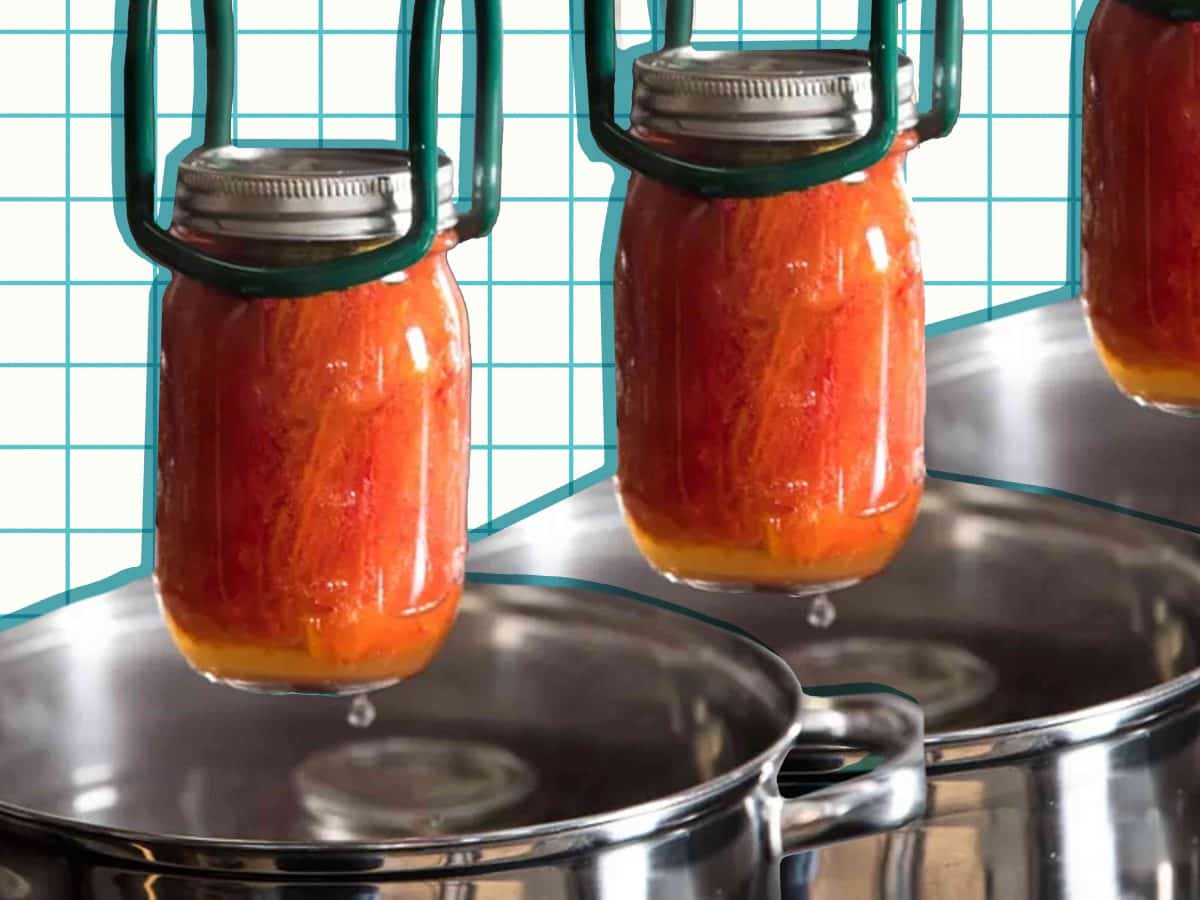
This late-summer canning season, small precautions and a few cooking tricks can sharpen the flavor of canned tomatoes while reducing a real—if avoidable—food-safety risk. Whether you’re opening a jar you preserved at home or reaching for a store tin, the steps below explain what to check, what to add, and when to heat so your sauce is both tastier and safer to eat.
Start with the container. A swollen lid, a squeezed seam, or any unexpected fizz are red flags: do not taste. For safety, trust visible signs instead of your nose—some dangerous bacterial toxins can’t be smelled.
Everyday safety checks before you cook
Follow these simple inspections before you use canned tomatoes. They take seconds and prevent most problems.
Caramel, butterscotch, toffee: how their differences affect your desserts
McDonald’s rebrands Twitter to honor Bubba Wallace after his first NASCAR Cup win
- Look for bulging lids, leaking seams, or dents that break the seal. Discard anything compromised.
- On opening, watch for spurting liquid, foam, or an unusual film. These are signs of spoilage.
- If the product was home-canned and you’re unsure about the method used, heat it thoroughly before eating.
- Transfer leftover tomato sauce from the can to a glass or plastic container; refrigerate and use within 3–4 days.
Note: do not taste to “test” for botulism—the toxin can be present without any off smell or visible spoilage.
How to make canned tomatoes taste better — quick culinary fixes
Open a can and want a richer, more rounded tomato base fast? Small additions and heat can transform ordinary canned tomatoes into a sauce with depth.
Try this routine: briefly sauté onion and garlic in olive oil to unlock flavor, pour in the tomatoes, then simmer to concentrate. Add a spoonful of tomato paste or a splash of balsamic vinegar for sweetness and umami; finish with fresh herbs just before serving.
Other practical flavor boosters:
- A pinch of sugar balances acidity without making the sauce sweet.
- A drizzle of good olive oil at the end brightens texture and taste.
- Anchovy paste, miso, or soy sauce adds savory depth if you want to avoid more sugar or salt.
- Roasting or briefly broiling the drained tomatoes before simmering caramelizes natural sugars for a richer flavor.
When food safety and flavor advice intersect
Many safety steps also improve taste. For home-canned tomatoes, the traditional fix for borderline acidity is to add acid when canning—this both preserves safety and keeps flavors fresh. If you’re uncertain about how a jar was processed, heating it will protect you and also concentrate the tomato flavor.
| Jar size | Bottled lemon juice | Citric acid (powder) |
|---|---|---|
| Pint | 1 tablespoon | 1/4 teaspoon |
| Quart | 2 tablespoons | 1/2 teaspoon |
These measures are the recommended minimums for turning tomatoes into a reliably acidic product suitable for boiling-water-bath canning rather than pressure canning. Use tested recipes and follow guidelines from trusted food-safety resources when preserving at home.
What to do if you suspect a problem
If you open a jar that looks or behaves suspiciously—bulging lid, spurting liquid, excessive cloudiness—do not taste it. Seal the container again if possible and discard it safely: wrap and put it in the trash or follow local guidance for disposal.
When in doubt with home-canned goods, bring them to a rolling boil for at least 10 minutes before eating; this step inactivates botulinum toxin if it is present. For commercially processed, unopened cans, rely on the sell-by date and package integrity; damaged cans should be discarded.
Storage and reuse tips: never store opened tomato products in the original metal can—transfer to glass or plastic. Keep opened jars chilled and label with the date opened to avoid accidental long-term storage.
Following a few straightforward checks and cooking moves keeps both flavor and safety high. As tomatoes flood the market this month, a little attention at the can or jar will save you from a bad meal—and a potentially serious health hazard.
Irish whiskey: approachable bottles new drinkers should try today
Fishtown restaurants ranked: must-visit spots locals are raving about