A wave of violent incidents at fast-food outlets in 2022 — ranging from an infant-sized shooter to armed robberies and axe attacks — put a spotlight on the risks facing late-night restaurants and their staff. The string of episodes underscored public-safety questions and pushed operators, employees and city officials to reconsider security and staffing in urban locations.
Across the country, episodes of theft, assault and child endangerment unfolded in quick-service restaurants that remain open when other businesses close. Many of the events were captured on surveillance or body cameras and later circulated in news reports, amplifying concerns about worker vulnerability and operational costs for franchise owners.
- Utah, February: Police bodycam footage shows a 4-year-old firing a weapon from a vehicle during the arrest of his father, who now faces charges including child abuse and assault after investigators concluded the child was directed to shoot.
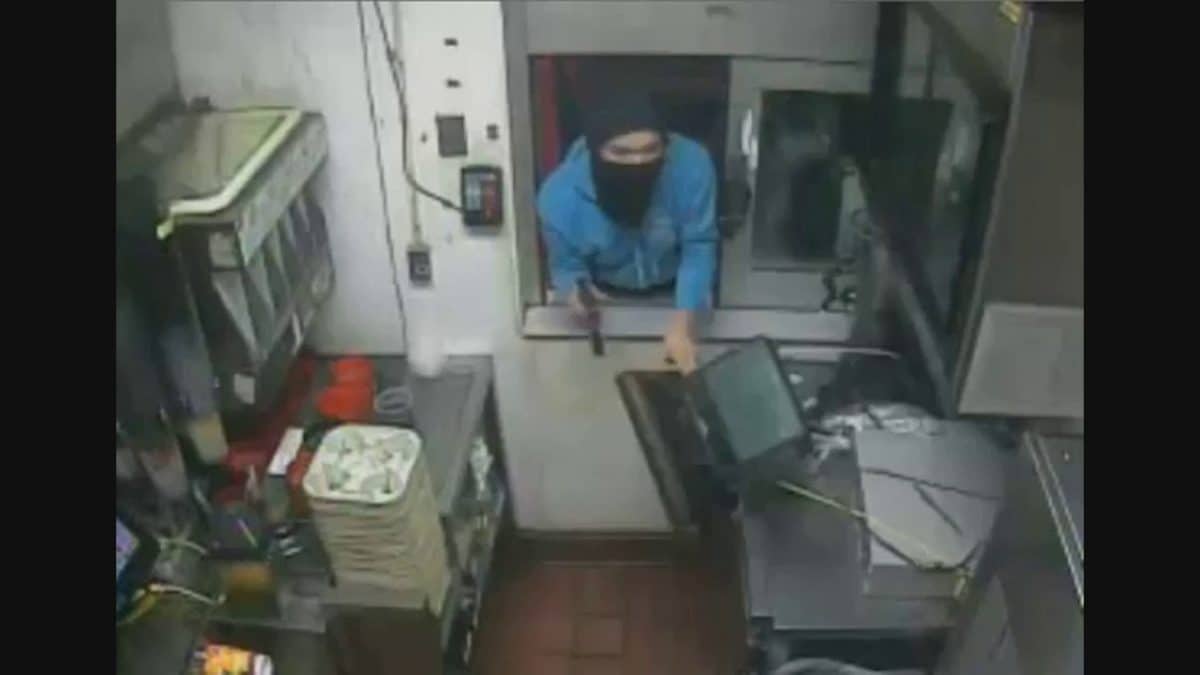
- Philadelphia, November: An armed robber allegedly reached through a drive‑thru window, demanded cash and pulled an entire register out of a McDonald’s before fleeing in an SUV.
- St. Louis: A dispute over menu availability reportedly escalated into gunfire at a KFC; an employee was critically wounded and the suspect fled the scene.
- New York City, September: A man wielding an ax attacked patrons and staff inside a Manhattan fast-food restaurant; he was arrested and later released without bail, then rearrested in a separate incident weeks later.
- Queens, New York: An argument over cold fries preceded a shooting outside a McDonald’s that left an employee with a fatal wound, according to local reports.
- Tampa, Florida: A man jumped a Burger King counter armed with pliers, threatened employees and was arrested after eating food in a restroom stall; he faces charges related to a robbery with a weapon.
- Detroit: A delivery app video showing pests in a Popeyes order prompted a temporary shutdown and renewed attention to sanitation and brand trust.
Caramel, butterscotch, toffee: how their differences affect your desserts
McDonald’s rebrands Twitter to honor Bubba Wallace after his first NASCAR Cup win
The incidents are not just isolated PR problems. They carry tangible costs: higher security spending for franchisees, difficulty in hiring and retaining staff, and pressure on companies to rethink late-night operations. In one high-profile example, a fast-food chief executive warned that persistent crime concerns could force the company to reconsider its footprint in certain cities.
Local law-enforcement officials also flagged the broader social impact. One sheriff described the use of a child in a violent encounter as an alarming sign of community breakdown and called for collaborative solutions involving residents, police and service providers. Such remarks underline how these episodes intersect with wider debates about crime, public policy and social services.
Taken together, the cases from 2022 suggest several immediate implications for readers, workers and policymakers:
- Worker safety: Late shifts and standalone drive‑thrus are frequent flashpoints, prompting calls for better training, deterrents and emergency protocols.
- Business decisions: Franchisees face rising insurance and security costs and may alter hours or locations in response to sustained threats.
- Community consequences: Violent episodes affect neighborhood perceptions of safety and can strain relationships between residents, businesses and law enforcement.
Security experts say the response is likely to include more physical protections — from improved lighting and barriers to added cameras — coupled with policy discussions around staffing, employee support and policing strategies. For customers, the incidents raise questions about where and when to dine and how public spaces are managed after dark.
As cities track crime trends and fast-food operators balance service with safety, these events from 2022 remain a touchstone for ongoing conversations about urban resilience, labor protections and community-based prevention efforts. Monitoring how companies and municipalities adapt will be key to understanding whether such incidents decline or persist.
Irish whiskey: approachable bottles new drinkers should try today
Fishtown restaurants ranked: must-visit spots locals are raving about