Show summary Hide summary
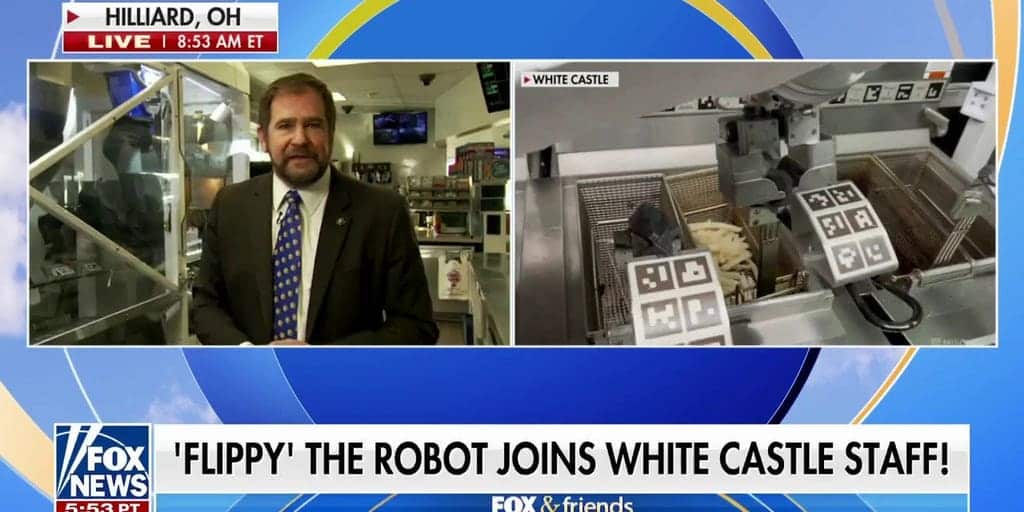
White Castle has begun introducing robotic kitchen assistants as a response to persistent staffing gaps, signaling a new phase in how the century-old slider chain manages peak service and back‑of‑house work. The move, which centers on the deployment of the cooking robot known as Flippy, underscores how restaurants are increasingly leaning on technology to maintain operations amid widespread labor shortages.
Company officials describe the rollout as a pragmatic step to keep kitchens running smoothly during busy periods and to reduce the strain on small teams. For customers, that could mean steadier service and more consistent cooking times; for operators, the goal is predictable output without relying solely on hiring spikes.
Why automation is rising now
Fast-food and quick‑service operators have faced recruitment and retention challenges for several years. Rising turnover, competition from other industries, and changing worker expectations have made it harder to staff every shift. Within this context, restaurant chains are viewing machines not simply as cost-cutting devices but as tools to preserve service quality when human labor is scarce.
Caramel, butterscotch, toffee: how their differences affect your desserts
McDonald’s rebrands Twitter to honor Bubba Wallace after his first NASCAR Cup win
The adoption at White Castle reflects this practical calculus: machines handle repetitive, time-sensitive tasks so human staff can focus on order accuracy, customer interaction, and more complex kitchen duties.
What Flippy does inside a restaurant
Flippy, developed by robotics firm Miso Robotics, is designed to automate frying and grilling tasks. Fitted with cameras and sensors, the system detects food on the cookline, times flips and transfers, and can adjust cooking times based on conditions. The robot is typically integrated into existing kitchen setups rather than replacing all manual processes.
In practice, that means Flippy can take over routine, physically demanding jobs—reducing the number of low-skill repetitive tasks on a shift while keeping output steady during rushes.
- For customers: more consistent cooking and potentially shorter wait times.
- For crew members: a shift in duties away from repetitive tasks toward supervision, quality control, and front‑of‑house work.
- For operators: improved uptime and predictable labor allocation—but also new costs for equipment, maintenance, and training.
- For regulators and communities: questions about workplace safety standards, job transitions, and local employment impacts.
Implications and trade-offs
Robotic kitchen tools promise steady performance and scalable throughput, particularly during lunchtime or late‑night peaks. Yet they are not a universal solution. Initial capital outlay, ongoing technical support, and the need to retrain staff are real hurdles that can offset short‑term benefits.
There is also a human dimension: while some workers could see their hours reduced for certain tasks, others may gain opportunities to move into higher-value roles—supervising machines, quality assurance, or customer engagement. How companies manage that transition will shape public perception and regulatory responses.
Industry observers caution that robots like Flippy perform best as part of a hybrid model—handling specific, repetitive operations while humans retain flexibility, problem‑solving, and guest service responsibilities.
What to watch next
Key indicators will include whether White Castle expands the deployment beyond pilot locations, how customers respond, and whether the chain pairs automation with workforce development programs. Broader adoption across the industry will likely accelerate if the economics and customer experience improve measurably.
For now, White Castle’s move is a concrete example of how restaurants are adapting to ongoing staffing pressures: not by abandoning people, but by reshaping roles and processes with technology as one of the tools. Expect continued experimentation as operators balance efficiency, cost, and the human element of food service.
Irish whiskey: approachable bottles new drinkers should try today
Fishtown restaurants ranked: must-visit spots locals are raving about