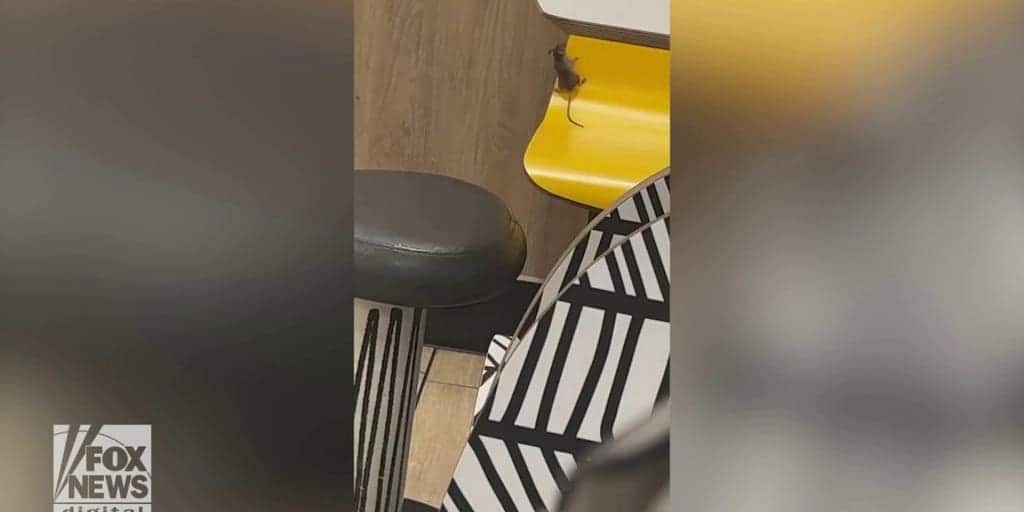
A customer at a McDonald’s recorded a short video showing a rodent moving near her table, a clip now circulating on social media that again draws attention to restaurant hygiene and public-health enforcement. The incident, shared online this week, has prompted questions about how fast staff and local authorities respond when pests are spotted on the premises.
The footage, viewed and reshared by multiple users, appears to show a small animal near seating and discarded wrappers. Online comments flagged not just the presence of the animal but how quickly employees intervened and whether food safety protocols were followed.
What this means now
A single video can trigger an immediate reputational hit for a location and prompt a health inspection. For customers, the stakes are practical: possible contamination, interrupted service, and uncertainty about whether food consumed earlier was affected. For operators, such incidents can lead to fines, mandated pest-control measures, or temporary closures depending on local rules.
Caramel, butterscotch, toffee: how their differences affect your desserts
McDonald’s rebrands Twitter to honor Bubba Wallace after his first NASCAR Cup win
How restaurants and regulators typically respond
Possible responses and next steps
When a rodent sighting is reported, typical actions include:
- Management notifying the on-site team and arranging for immediate cleaning and containment.
- Calling a licensed pest-control company to assess and treat the problem.
- Documentation: staff logs, photos or video, and customer statements to establish a record.
- Local health authorities may inspect the premises and decide on follow-up measures depending on findings.
Practical advice for customers
If you encounter a pest in a restaurant, consider these steps to protect yourself and help authorities evaluate the situation:
- Document the incident briefly—time-stamped photos or a short video can be useful.
- Notify on-duty management immediately and request to speak with an on-site manager.
- Keep your receipt and note what you ordered; this helps with any refund or claim.
- Report the incident to your local health department if you believe sanitation rules were breached.
- Follow up on any promised actions, such as refunds or a report number from the health authority.
Context and broader implications
A single video does not prove systemic failure, but it does highlight how quickly public perception can shift in the digital age. Fast disclosure and a visible, effective response from staff and local regulators are key to restoring trust.
Operators of national chains can be particularly vulnerable: even if an issue is localized to a franchise, the parent brand can still face reputational fallout. For consumers, frequent video-sharing and real-time updates mean that sanitary lapses—real or perceived—spread fast and receive heightened scrutiny.
What to watch for next
Follow-up items that can clarify any incident include:
- Whether the restaurant posts a public response or statement.
- Any inspection results published by the local health authority.
- Actions taken by the restaurant, such as scheduled pest-control treatments or temporary closure for deep cleaning.
A short note on prevention
Effective pest control combines structural maintenance, strict waste management, staff training, and regular inspections. For customers and regulators alike, the priority is minimizing risk to public health and ensuring prompt corrective action when standards fall short.
Irish whiskey: approachable bottles new drinkers should try today
Fishtown restaurants ranked: must-visit spots locals are raving about