Show summary Hide summary
A short viral TikTok from a Starbucks employee — showing that baristas sometimes fill Refresher orders parents place for children even though the drinks contain caffeine — has reignited debate about whether quick-service beverages are appropriate for minors. With specialty chains now selling juice-like drinks that include caffeine from ingredients such as green coffee extract and guarana, pediatricians and toxicologists say parents need clear guidance about risks and safe limits.
What the clip showed and why parents noticed
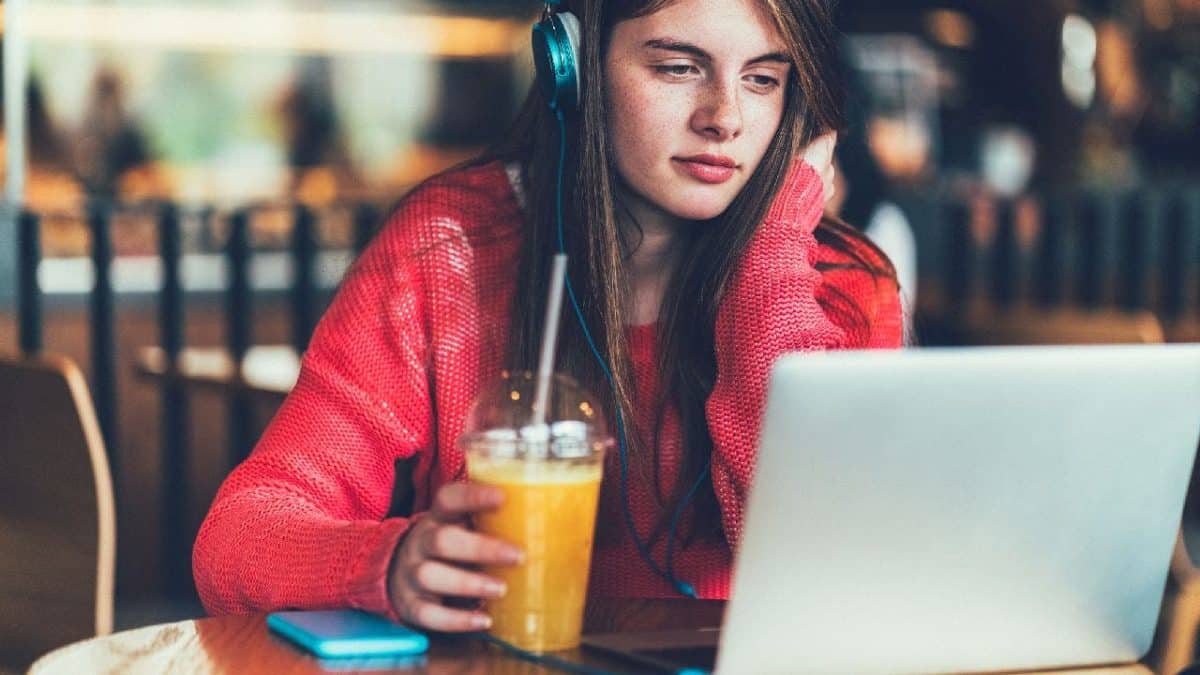
The video, posted in early March, prompted parents to look more closely at the drinks their children bring to school or grab after activities. Consumers described Refresher-style beverages as fruity and juice-like, making it easy to overlook their stimulant content.
Caramel, butterscotch, toffee: how their differences affect your desserts
McDonald’s rebrands Twitter to honor Bubba Wallace after his first NASCAR Cup win
Health experts warn that this is not just a labeling issue: the presentation of these drinks can make them seem harmless to both caregivers and kids, increasing the chance of unintended caffeine intake.
Medical guidance: limits and concerns
Public health bodies offer different touchstones. The U.S. Food and Drug Administration notes that healthy adults can safely consume up to about 400 milligrams of caffeine daily. For children and adolescents, professional pediatric groups advise far more caution.
The American Academy of Child and Adolescent Psychiatry recommends that children younger than 12 avoid caffeine entirely because a safe dose has not been established. For older adolescents, many experts set a conservative ceiling — roughly 100 milligrams per day for those in the 12–17 age range. Some European agencies use a weight-based guideline of about 2.5 milligrams per kilogram daily for children; U.S. pediatric associations do not formally adopt that ratio.
Physicians and toxicologists point to a range of possible effects in young people, including sleep disruption, headaches, elevated blood pressure, anxiety, and changes in behavior or attention. Because children metabolize substances differently than adults and their nervous systems are still developing, clinicians say even modest amounts can be problematic for some kids.
Where caffeine is hiding in chain menus
Several national chains now offer juice- or tea-style beverages that include added caffeine. The amounts vary by recipe and size — sometimes widely.
Starbucks Refreshers combine fruit juices with green coffee extract, an ingredient derived from unroasted coffee beans. Depending on the cup size, a Refresher can contain tens of milligrams of caffeine — a range commonly reported by independent nutrition guides is roughly 35–110 mg per serving.
Panera’s Charged Lemonade line, which drew attention after consumers reported strong stimulatory effects, lists much higher amounts: about 260 mg for a 20-ounce regular and roughly 390 mg for a 30-ounce large. Those drinks get a portion of their caffeine from guarana, a South American plant whose seeds are rich in caffeine, as well as from green coffee extracts.
Dunkin’ sells similar refresher-style beverages made from tea and fruit juices but does not publish fixed caffeine values for those items, noting that brew strength and ingredient sources make precise numbers variable.
Quick reference: common guidance and examples
| Item or guideline | Typical caffeine (approx.) |
|---|---|
| FDA — recommended maximum for healthy adults | ~400 mg/day |
| AACAP — recommendation for children under 12 | Avoid caffeine |
| AACAP — adolescents (12–17) | Up to 100 mg/day |
| Starbucks Refreshers (varies by size) | About 35–110 mg per serving |
| Panera Charged Lemonade | ~260 mg (20 oz), ~390 mg (30 oz) |
| Dunkin’ Refresher-style drinks | Not publicly disclosed; can vary |
Practical steps for families
Clinicians and dietitians recommend practical measures rather than alarm. Read nutrition labels when available, ask staff about ingredients, and treat juice-like caffeinated beverages differently from standard fruit drinks.
- Prefer water, milk or 100% fruit juice for younger children.
- When avoidance isn’t possible, limit serving size (smaller cups) and frequency.
- Be mindful of added sugars; caffeine-containing specialty drinks often carry high carbohydrate loads.
- Watch for symptoms such as sleep problems, jitteriness, or change in mood or school performance and consult a pediatrician if they appear.
Expert voices and industry outreach
Medical toxicologists and pediatricians quoted in the wider coverage emphasized that parents should consider both age and body weight when deciding whether a child should have caffeine. One registered dietitian advised tailoring intake to a child’s size and combining numeric limits with common-sense restrictions around sports and hot-weather activity, when dehydration is a heightened risk.
Newsrooms contacted the national chains for comment on caffeine disclosure and product formulation; companies typically point to published nutrition panels where available and note that some beverages use naturally variable ingredients, which can affect final caffeine content.
As these fruity, caffeinated drinks remain popular with young consumers, pediatricians say the conversation sparked by the TikTok clip is timely: clearer labeling, better parental awareness, and consistent guidance from health organizations would help families make safer choices.
Irish whiskey: approachable bottles new drinkers should try today
Fishtown restaurants ranked: must-visit spots locals are raving about