Show summary Hide summary
- South Shore Bar pizza — fried-pan character, small format
- Pizza strips — Rhode Island’s sauce-first snack
- New Haven apizza — charred, thin, and maritime
- Grandma pizza — Long Island’s sheet-pan favorite
- Quad Cities style — sweetened dough and scissors cuts
- St. Louis style — paper-thin crust and Provel cheese
Pizza’s American story began with Italian immigrants in the late 19th century and exploded into mainstream dining after World War II. As regional styles like Detroit pie find new fans, diners and restaurateurs are watching smaller, local variations for the next wave of pizza trends — from the crunchy thinness of St. Louis slices to cheese-free bakery strips in Rhode Island.
These local pies matter now because they reshape menus, inspire national chains, and offer new flavors to explore at home or on the road. Below are six distinct regional styles you’re increasingly likely to encounter — what makes each one different and where to try them.
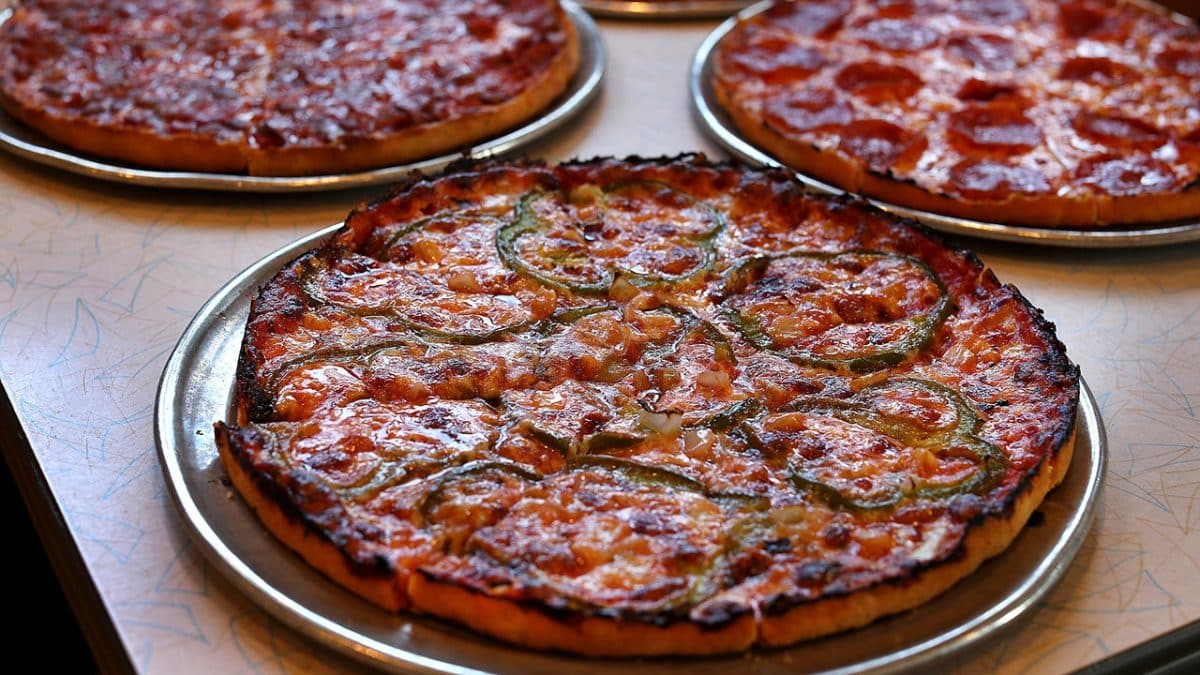
- South Shore Bar pizza (Massachusetts) — Small, pan-fried crust, sauced then topped with cheddar and other bar-style selections.
- Pizza strips (Rhode Island) — Room-temperature, cheese-optional rectangular slices that spotlight the sauce.
- New Haven apizza (Connecticut) — Thin, coal- or wood-fired pies with a charred edge; mozzarella is not automatic.
- Grandma pizza (Long Island, NY) — Square, sheet-pan pies with a thin crust and olive oil finish.
- Quad Cities style (Illinois/Iowa) — Malted, molasses-enriched dough topped with spicy sauce and sausage; traditionally cut with scissors.
- St. Louis style (Missouri) — Ultra-crisp, thin crust covered edge-to-edge and finished with Provel cheese.
Caramel, butterscotch, toffee: how their differences affect your desserts
McDonald’s rebrands Twitter to honor Bubba Wallace after his first NASCAR Cup win
South Shore Bar pizza — fried-pan character, small format
Originating on Boston’s South Shore, this pie is typically a single 10-inch serving cooked in a heavily oiled pan so the crust develops a fried, crunchy rim while baking. Toppings often include cheddar as the primary cheese, followed by whatever bar-friendly ingredients customers request.
Locals describe these pies as staples of neighborhood taverns — commonly wrapped between two thick paper plates and handed out in a brown paper bag. The style’s low-key presentation is as much a part of the tradition as the taste.
Pizza strips — Rhode Island’s sauce-first snack
Also called bakery pizza or “party pizza,” pizza strips trace their roots to Sicilian influences but are served at room temperature and emphasize tomato sauce over molten cheese.
The Providence Journal and local bakers note that the strips’ simplicity highlights the sauce — a refreshing contrast to cheese-driven pies — and makes them convenient for gatherings and takeout.
New Haven apizza — charred, thin, and maritime
The term “apizza” reflects the regional Italian dialect rather than a typo. Baked in very hot coal or wood ovens, these pies are intentionally left with a charred, blistered crust. Mozzarella is not a default topping; diners often specify it if they want it.
One of the most famous variations is the White Clam Pizza from Frank Pepe’s, topped with fresh clams, garlic, oregano, grated pecorino Romano, and olive oil — a recipe that helped put New Haven on the nation’s pizza map.
Grandma pizza — Long Island’s sheet-pan favorite
Unlike foldable New York slices, Grandma pizza is baked in a square, heavily oiled sheet pan, cut into squares, and served with a fairly thin crust that crisps from a brief fry-like contact with the pan. Typical finishes include garlic-infused olive oil, pecorino Romano, and oregano.
Local pizzerias on Long Island claim lineage for the format, and its homestyle presentation has been adopted by restaurants beyond the region.
Quad Cities style — sweetened dough and scissors cuts
Named for the four river cities along the Illinois–Iowa border, this pizza emerged when early pizzerias introduced the region to the dish. The dough is malted and often contains molasses, producing a mildly sweet base.
Topped with a relatively spicy tomato sauce, ground sausage, mozzarella and oregano, the pies are baked quickly in a hot oven and — unusually — are often cut with scissors rather than a wheel or knife, a local tradition noted by Food & Wine and area restaurateurs.
St. Louis style — paper-thin crust and Provel cheese
St. Louis pies are known for their exceptionally thin, crunchy crust and a full-coverage topping approach. The region’s signature cheese is Provel, a processed blend of cheddar, Swiss and provolone created in 1947 and embraced by local chains like Imo’s.
Provel gives the pizza a distinct, creamy melt that differs markedly from traditional mozzarella. The reason many St. Louis pies are cut into squares remains part of the local lore — “that’s how we slice it” is often the simple explanation offered by area bakeries.
What to watch next: as Detroit-style pizza continues its national ascent, expect experimentation with pan techniques, alternative cheeses, and regional flavors to accelerate. For consumers, that means greater variety on menus and more opportunities to sample local interpretations — whether at a hometown bar, a bakery counter, or a celebrated coal-oven shop.
Sources: historical context from the National Park Service; style details from Eater, Food & Wine, local outlets including the Providence Journal and regional pizzeria websites.
Irish whiskey: approachable bottles new drinkers should try today
Fishtown restaurants ranked: must-visit spots locals are raving about