
Show summary Hide summary
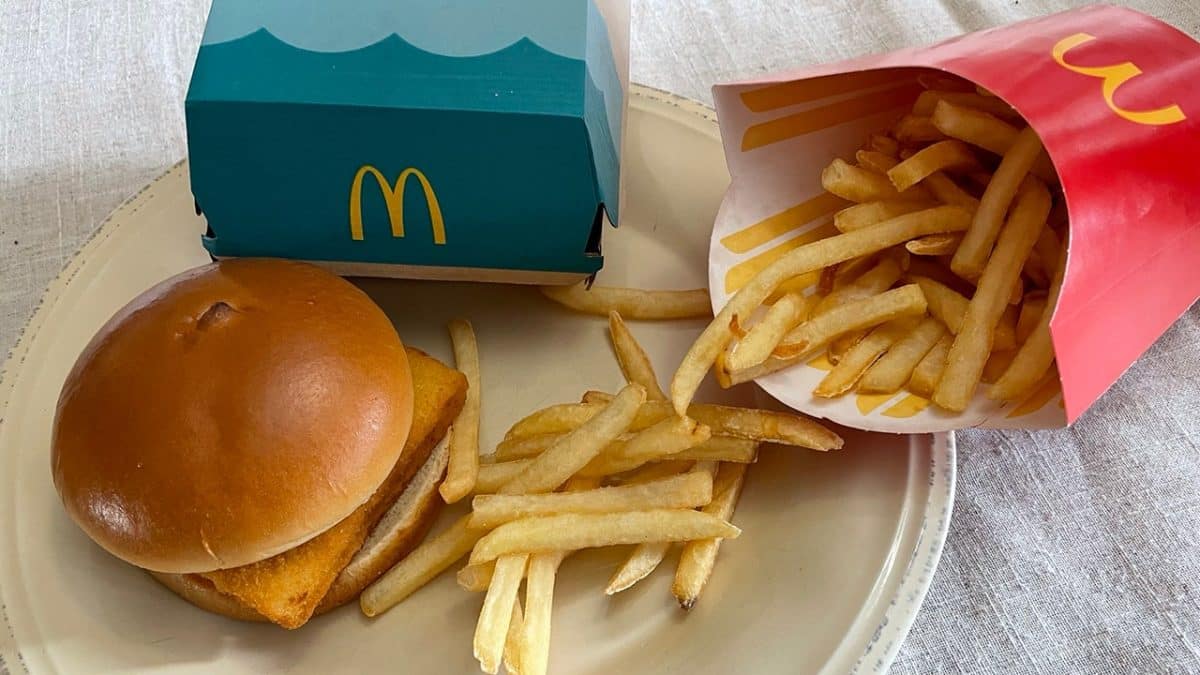
As Lent approaches, one McDonald’s sandwich resurfaces in public conversation: the Filet-O-Fish. Created to keep Catholic customers coming on meatless Fridays, the sandwich not only outlasted a competitor but became the chain’s first non-meat menu item — and it still accounts for a large share of seasonal sales.
A menu solution born in a Catholic neighborhood
In the early 1960s a Cincinnati McDonald’s franchisee noticed a weekly sales dip on Fridays. The explanation was simple: many local customers were observing Friday abstinence from meat for religious reasons. To recapture that traffic, the franchisee proposed a breaded whitefish sandwich tailored to those shoppers.
Caramel, butterscotch, toffee: how their differences affect your desserts
McDonald’s rebrands Twitter to honor Bubba Wallace after his first NASCAR Cup win
McDonald’s tested the idea, and the sandwich — later branded the Filet-O-Fish — quickly proved it could draw customers who otherwise would skip the restaurant. The company says the product’s basic formula — bun, tartar sauce, breaded fish and a half-slice of cheese — has remained remarkably consistent since its early days.
How the Filet-O-Fish beat the pineapple
Around the same time, McDonald’s founder pitched another meatless option: a grilled pineapple slice with cheese on a bun, known as the Hula Burger. Customers rejected that combination, and the offering was dropped within a year.
By 1965 the fish sandwich was added to McDonald’s national menu, marking the first time the chain permanently introduced a non-hamburger product across its restaurants.
- Origin: Developed in the early 1960s by a Cincinnati franchisee responding to local demand.
- National rollout: 1965, the chain’s first non-meat menu addition.
- Original price: About $0.29 at launch.
- Recipe stability: Bun, tartar sauce, breaded fish and a half-slice of cheese remain standard.
- Current U.S. fish: Alaskan pollock is used in the U.S. version.
- Seasonal impact: Roughly 25% of Filet-O-Fish sales occur during the 40 days of Lent, according to McDonald’s.
The practical lesson is clear: a small product tweak aimed at a specific community need can become a permanent part of a global menu. Unlike some fast-food fish items that return only seasonally, the Filet-O-Fish stayed put and continues to generate significant sales during Lent.
Why this still matters
For consumers, the sandwich is a reminder of how cultural and religious practices shape mainstream dining options. For the company, it’s an example of product longevity driven by consistent demand: a quarter of Filet-O-Fish purchases happen during Lent, underscoring the seasonal lift the sandwich provides.
It also shows how menu experiments — successful or not — influence brand strategy. The Hula Burger’s quick exit contrasted with the fish sandwich’s long-term presence offers a small case study in customer testing and adaptability.
Today the Filet-O-Fish appears on menus in many countries, sometimes with local tweaks, but its origin story remains a straightforward example of business responding to community habits.
Irish whiskey: approachable bottles new drinkers should try today
Fishtown restaurants ranked: must-visit spots locals are raving about










