Show summary Hide summary
As matcha moves from niche tea shops into mainstream coffee menus, the quality gap between chains has become clearer—especially for customers who care about authenticity and balance. A recent tasting of iced matcha lattes across major chains found one national brand consistently falling short on flavor and texture, a detail that matters now as more people seek lower-sugar or higher-quality tea options.
Why Dunkin’ falls short for matcha drinkers
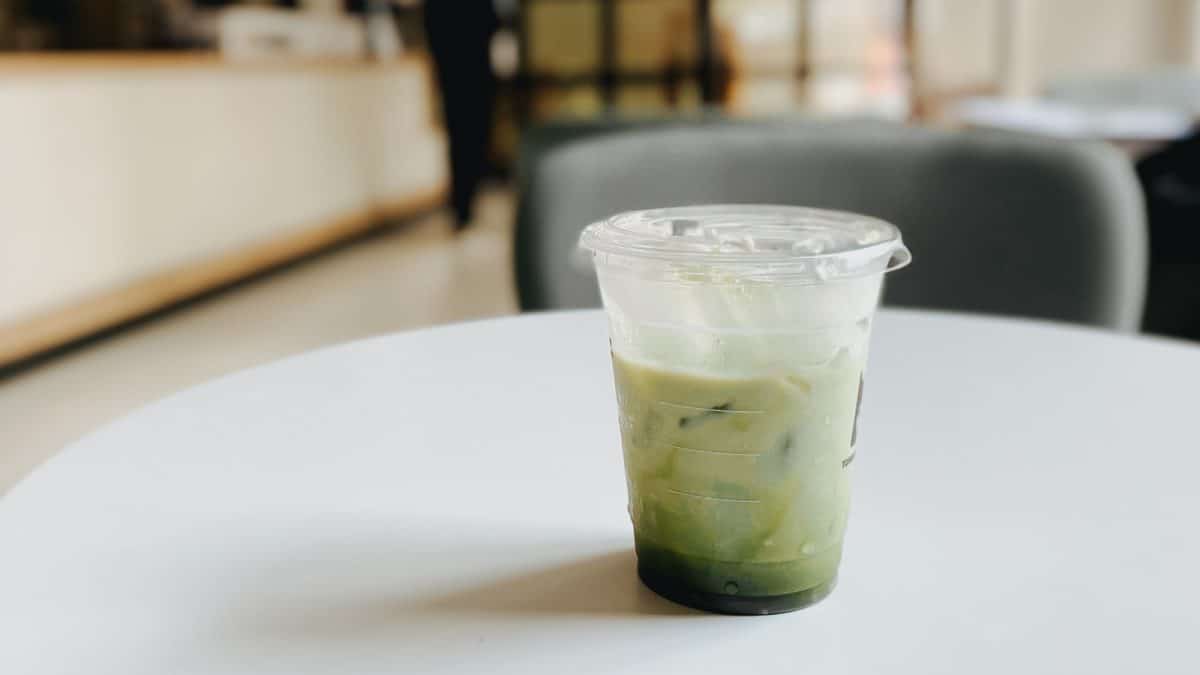
In side-by-side tastings focused on iced matcha lattes, Dunkin’ repeatedly ranked near the bottom. Tasters noted an overwhelmingly sweet profile and a coarse mouthfeel that masked the delicate vegetal notes typical of true matcha.
Caramel, butterscotch, toffee: how their differences affect your desserts
McDonald’s rebrands Twitter to honor Bubba Wallace after his first NASCAR Cup win
Several factors underlie the problem. Dunkin’ uses a pre-mixed powder that combines matcha with sweeteners and stabilizers. That approach can change the ingredient’s natural balance: instead of the mild bitterness and umami finish matcha aficionados expect, drinks were dominated by sugar and showed a slightly granular texture when stirred.
Practical consequences for customers are immediate and concrete: you cannot easily dial back sweetness in a pre-sweetened mix, and the added stabilizers can prevent the powder from dissolving smoothly. For someone choosing matcha as a lower-acidity or tea-forward alternative to coffee, those trade-offs matter.
Poor customer reactions online
Social platforms mirror the tasting-room results. Users have described Dunkin’s matcha as too sweet and lacking the vibrant green color and foam associated with properly whisked matcha. Some customers reported a sandy or thin consistency, suggesting a high ratio of sweetener or fillers in the blend.
These complaints are not universal, and some casual drinkers prefer a sweeter, milk-forward matcha beverage. But for buyers seeking authentic flavor or the texture of ceremonial-grade matcha, the consensus among critics is clear.
| Chain | Typical Matcha Quality | Notes |
|---|---|---|
| Dunkin’ | Low | Pre-sweetened powder; cloying sweetness and gritty mouthfeel reported; limited customization. |
| Blue Bottle Coffee | High | Uses ceremonial-grade matcha sourced from Uji, Japan; well-balanced milk-to-tea ratio favored by aficionados. |
| Starbucks and other large chains | Mixed | Offerings vary by region and format (latte, frappe, bottled); quality ranges from serviceable to very good depending on preparation. |
What this means for customers
If you order matcha for its subtle vegetal flavor or for a less acidic alternative to espresso, where you buy it matters. Chains that use a straight matcha powder and allow baristas to adjust sweetness and milk ratio tend to deliver a more authentic experience.
- Want authenticity: Seek out cafés that advertise ceremonial-grade matcha or that whisk powder to create a frothy, balanced latte.
- Want customization: Avoid pre-sweetened blends—ask for unsweetened matcha and add sweetener to taste if the shop supports it.
- On a budget: Buying good-quality matcha powder and preparing a simple at-home latte can be cheaper and tastier than many quick-service options.
Matcha’s rising popularity means menus will keep expanding, but not all versions are equivalent. For readers who prioritize true matcha taste or control over sugar content, the safest choice is to choose venues that use pure matcha powder—or bring the practice home with ceremonial-grade powder and a basic whisk for a markedly better cup.
Irish whiskey: approachable bottles new drinkers should try today
Fishtown restaurants ranked: must-visit spots locals are raving about