Show summary Hide summary
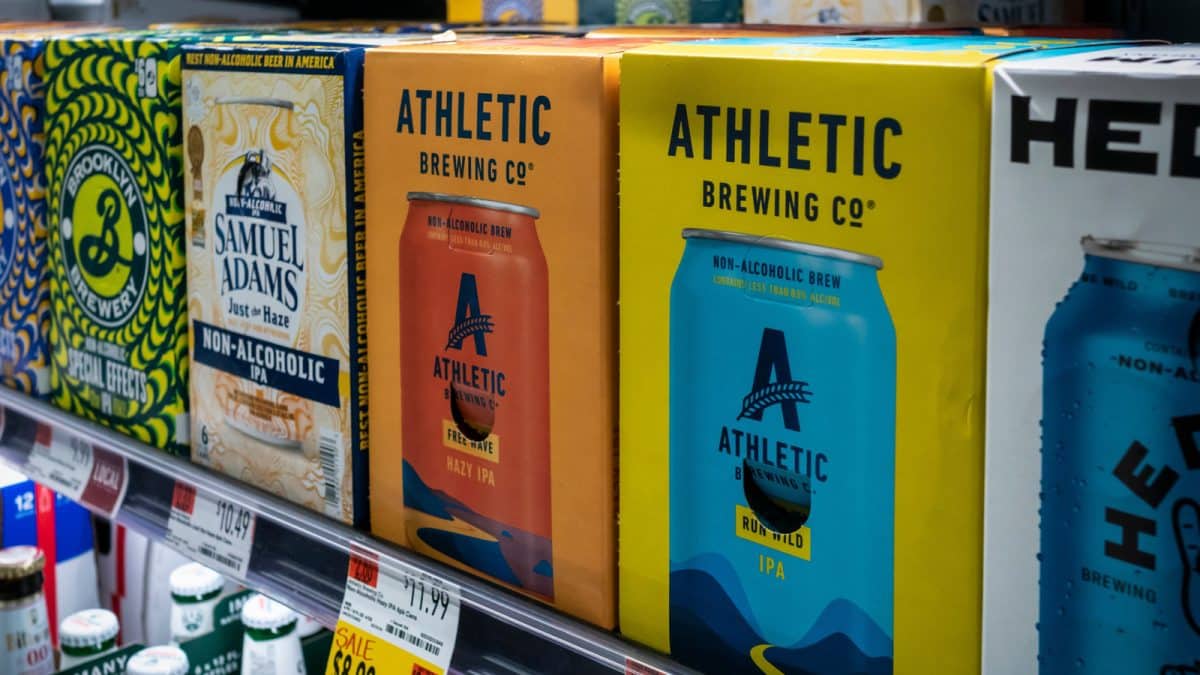
The rise of high-quality nonalcoholic beer has put a new question on drinkers’ minds: how long will these bottles and cans taste their best? With more supermarkets and taprooms stocking booze-free options, understanding storage and freshness matters if you want the flavor—not just the label—to deliver.
How long does nonalcoholic beer stay fresh?
When kept cold, most nonalcoholic beers will keep for roughly three to six months from the date they were packaged. The exact window depends largely on production methods: beers that have been heat-treated to remove microbes generally last longer than those that haven’t.
Caramel, butterscotch, toffee: how their differences affect your desserts
McDonald’s rebrands Twitter to honor Bubba Wallace after his first NASCAR Cup win
Two common approaches lead to alcohol-free beer. Some brewers limit fermentation so very little alcohol is produced; others make a normal beer and then remove the alcohol afterward. Because alcohol itself helps slow spoilage, truly alcohol-free products need extra steps—like pasteurization—to preserve shelf life.
Pasteurized vs. unpasteurized: what to expect
Pasteurized nonalcoholic beer is more resilient. If the brewer used heat treatment, expect up to about six months of prime flavor while refrigerated. Unpasteurized varieties are more fragile and are best consumed within nearer to three months.
That said, “best by” is about quality rather than immediate safety. A bottle slightly past its freshness window is unlikely to make you sick if it was produced under sanitary conditions, but the taste can deteriorate quickly.
- Up to ~3 months — Unpasteurized, refrigerated: full flavor but time-limited.
- Up to ~6 months — Pasteurized, refrigerated: more stable aroma and carbonation.
- Past the window — Generally safe if sealed and stored cold, but expect flatness, muted hop character, and stale or “cardboard” notes.
Signs a nonalcoholic beer has gone off
Look for obvious visual or sensory changes. A sour or rotten smell, a slimy film in clear bottles, or severely muted bubbles are warning signs. Most deterioration shows up first in the hop aromas—those bright citrus, pine, or floral notes fade before the beer becomes undrinkable.
Oxidation is the usual culprit: as oxygen slowly reacts with beer compounds, flavors shift toward dull, musty or papery profiles. Carbonation loss follows, turning a lively beer into something flat and uninspiring.
Practical tips for buying and storing
Keep these simple steps in mind to protect freshness:
- Check for a “born on” or packaging date—avoid cans that look several months old.
- Buy pasteurized bottles if you plan to store them for longer periods.
- Store all nonalcoholic beer in the refrigerator, away from light and temperature swings.
- If you’re buying from a brewery, ask whether the product was pasteurized and when it was packaged.
Left unrefrigerated, nonalcoholic beers lose quality faster. Even short exposures to warmth or direct sunlight can accelerate off-flavors, so treat them more like fresh juice than typical alcoholic beer.
Why this matters now
With more people choosing alcohol-free options—whether for health, safety, or personal preference—knowing how to maintain taste is increasingly relevant. The difference between a bland, stale pour and one that captures the brewer’s intent often comes down to handling and timing.
Buy smart, store cold, and drink relatively soon after purchase: that’s the best way to ensure your nonalcoholic beer delivers the aroma and carbonation you expect.
Irish whiskey: approachable bottles new drinkers should try today
Fishtown restaurants ranked: must-visit spots locals are raving about