Show summary Hide summary
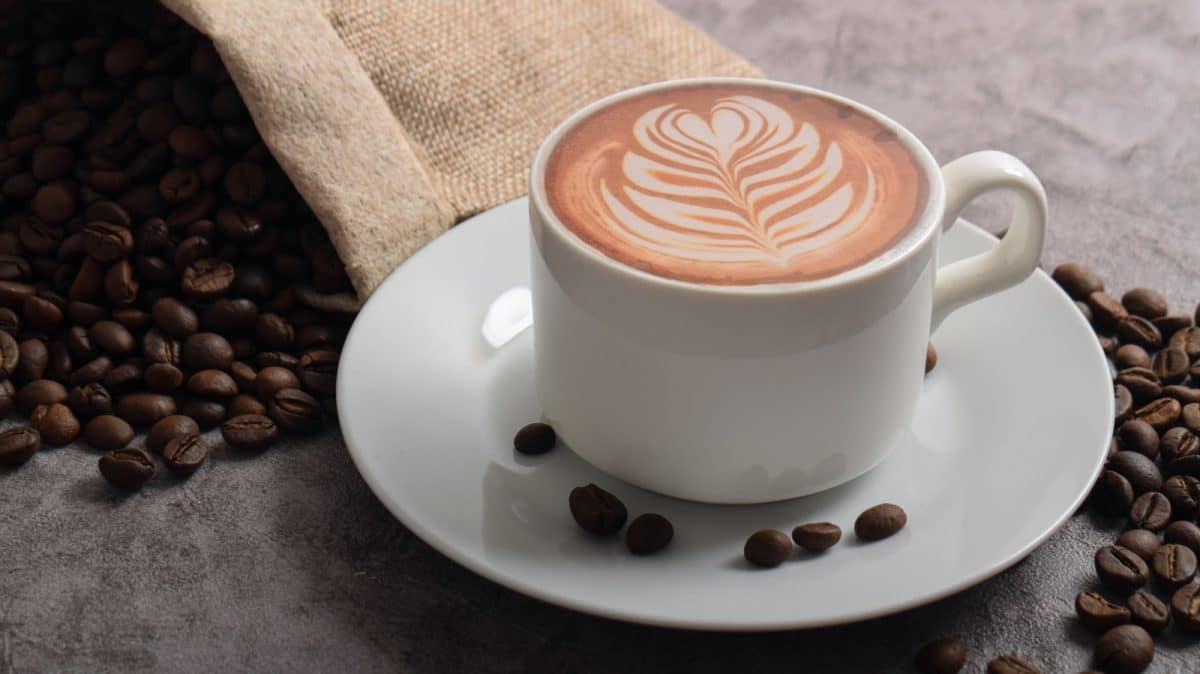
Walk into a café and the first thing you notice is the air. If the dominant aroma is anything other than roasted coffee—think candy, vanilla, or fruit—it’s likely not a sign of quality; it’s a clue about how the shop treats its beans. That scent matters because it directly affects flavor, value, and what you can expect from your cup.
Most artisanal cafés aim to showcase the scent and taste of freshly roasted beans. When a space smells more like a dessert counter than an espresso bar, many customers are smelling added flavorings rather than the coffee itself.
Candy-scented cafés: what that smell usually means
After beans are roasted, some producers coat them with flavored oils to create distinctive aromas—pumpkin spice, vanilla, or berry, for example. Those coatings can be intensely fragrant, making the whole shop smell sweet even before a drink is poured.
Caramel, butterscotch, toffee: how their differences affect your desserts
McDonald’s rebrands Twitter to honor Bubba Wallace after his first NASCAR Cup win
That process can obscure the beans’ natural characteristics and is often used with lower-grade batches to mask defects or inconsistency. Drinkers who expect the nuanced notes of origin and roast may instead perceive a chemical or artificial aftertaste. While flavored beans aren’t illegal or inherently unsafe, the practice has implications for quality and transparency.
- How to tell a café may use flavored beans
- Persistent candy-like or heavy vanilla aroma throughout the space.
- Beans that look unusually shiny or oily in display bags.
- A limited or non-descriptive bag label (no origin, roast date, or tasting notes).
- A menu that emphasizes flavored drinks rather than single-origin or specialty options.
- What it means for your cup
- Flavors from oils can dominate and mask origin characteristics.
- Espresso and milk-based drinks may taste sweeter or more artificial.
- Consistency can be high for sweet drinks, but overall bean quality may be lower.
- Simple shopper steps
- Ask the barista whether beans are flavored or naturally processed.
- Look for clear labeling: roast date, region, and varietal are good signs.
- Try a straight espresso or pour-over to judge the beans unflavored.
Not all flavored coffee is the same
There’s a distinction between beans sprayed with synthetic oils and those whose unique notes come from farming and processing choices. Some producers use co-fermentation or careful drying to coax fruity, floral, or herbal qualities from the bean itself. These natural processes can yield complex, desirable profiles without added flavorings.
Separately, many cafés add flavor in other ways—syrups, spices, or infused milks—while still brewing from plain beans. That approach keeps the underlying coffee intact and gives customers a choice without hiding the bean’s origin.
Ultimately, the smell of a coffee shop is an immediate cue about what you’ll taste and how the shop approaches sourcing. If you prefer clarity and terroir-driven cups, follow your nose: a true coffee-forward aroma is usually a good sign. If you’re curious or unsure, a quick question to staff will usually clear things up.
Irish whiskey: approachable bottles new drinkers should try today
Fishtown restaurants ranked: must-visit spots locals are raving about