Show summary Hide summary
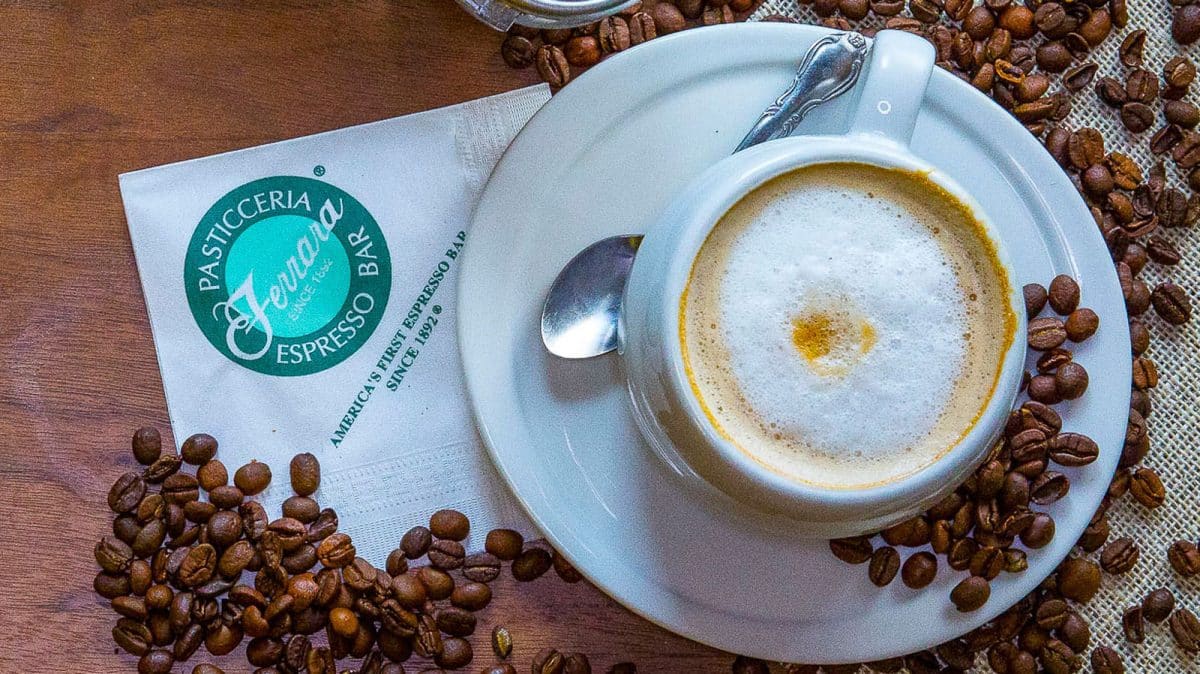
Tucked into the corner of Grand and Mulberry in Manhattan’s Little Italy, Ferrara Bakery & Cafe survives as a rare living link to New York’s immigrant culinary past — and it still markets itself as the country’s first espresso bar. That claim, now more than a century old, matters as the city’s dining scene rebuilds and travelers and locals seek authentic, family-run spots with history and consistency.
How it began — and why it endures
Ferrara opened in 1892, founded by Antonio Ferrara, an impresario who wanted a place where opera-goers could gather, play cards and enjoy a quick coffee between performances. The bakery began as a neighborhood meeting spot and gradually expanded into a full-fledged pasticceria, serving an evolving roster of Italian sweets alongside espresso.
Caramel, butterscotch, toffee: how their differences affect your desserts
McDonald’s rebrands Twitter to honor Bubba Wallace after his first NASCAR Cup win
Ownership has never left the family. Now in its fifth generation, the business combines continuity with gradual adaptation: a long menu of traditional pastries and specialty cakes, a modest brunch offering and beverage service that stretches from classic espresso to aperitifs.
What to order — quick guide
- Cannoli — crisp shells filled to order, a perennial favorite.
- Sfogliatelle — layered, flaky pastry with a ricotta-based filling.
- Torrone — the chewy, nut-studded nougat the bakery began shipping during World War II.
- House specialty cakes — tiramisu, New York-style cheesecake, and more unusual offerings like cannoli cake and an Italian rum cake.
- Espresso and gelato — several gelato flavors, including non-dairy options, plus classic espresso preparations.
Beyond sweets, Ferrara serves a small savory brunch menu until mid-afternoon and offers a selection of wines, beers and dessert cocktails, making it a spot for both morning coffee and evening treats.
What the space feels like
Stepping inside contrasts sharply with many modern minimalist cafés. Dark wood, marble counters and intimate tables create an old-world atmosphere; staff traditionally wear white shirts and ties, reinforcing the café’s heritage look and service style.
There is room to sit and linger — a deliberate choice that separates Ferrara from grab-and-go bakeries and underscores its identity as a social hub rather than only a retail counter.
Services and cultural reach
Ferrara has kept pace with changing customer needs without losing its character. It offers local delivery in the New York area and ships a range of shelf-stable items across the country, a practice that began during wartime and continues today.
That combination of local presence and national access helps the bakery remain relevant: neighborhood institution for residents and an accessible touchstone for former New Yorkers or fans of Italian pastry nationwide.
Why it matters now: As New York’s food scene recovers and visitors increasingly seek experiences rooted in history and craft, Ferrara stands as an example of how a family-run business can preserve culinary traditions while adapting to modern demand. For anyone tracing the city’s immigrant foodways or simply wanting a proper espresso with a pastry, the bakery remains worth a stop.
Irish whiskey: approachable bottles new drinkers should try today
Fishtown restaurants ranked: must-visit spots locals are raving about