Show summary Hide summary
Applebee’s may be best known for its casual food menu, but one of its quieter innovations has shaped how many Americans sip their beer. The chain’s signature 20-ounce glass, introduced in the early 1990s, pairs brand identity with a specific shape that proponents say preserves chill and flavor — a claim recent research helps explain.
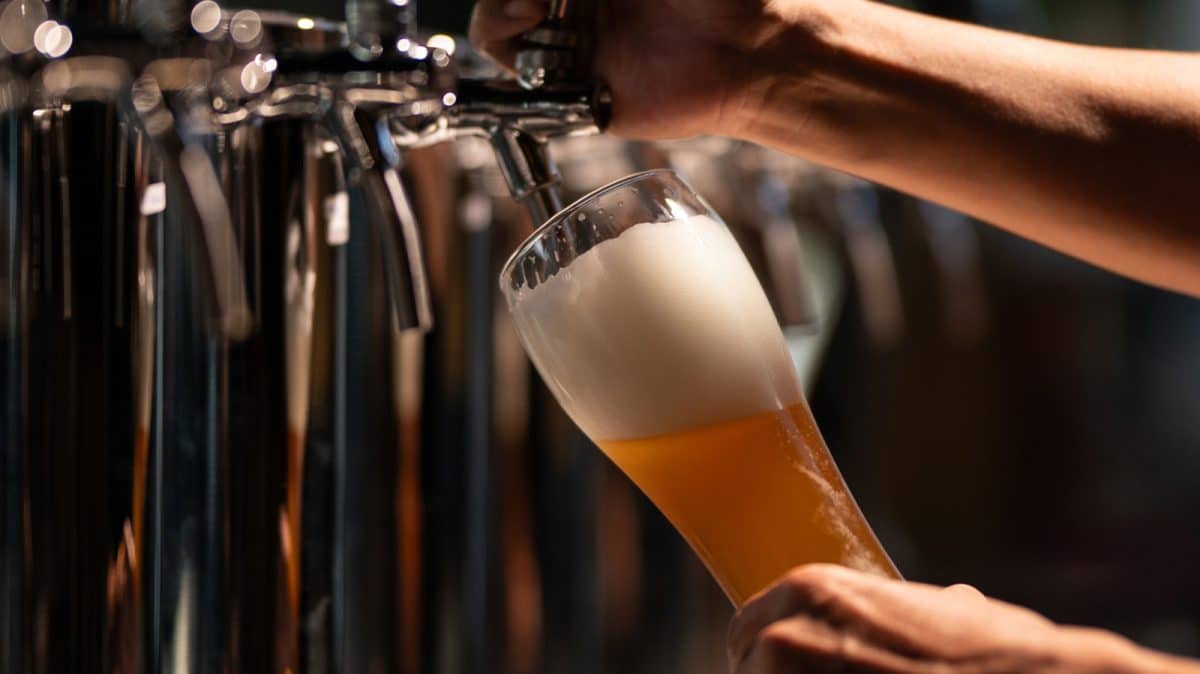
The glass, widely known as the Brewtus, features a broad rim that narrows toward a weighted base and carries the restaurant’s logo. Beyond branding, the form is claimed to slow warming and concentrate aroma, turning a simple pint into a more deliberate drinking experience.
Why the shape matters
Thermal and fluid dynamics play a role: a wider mouth and tapered body change how air and heat interact with the beer’s surface. Brazilian researcher Claudio Pellegrini, a professor of thermal and fluid sciences at the Federal University of São João del-Rei, modeled how different glass profiles influence temperature retention and devised a formula for an optimal beer glass.
Caramel, butterscotch, toffee: how their differences affect your desserts
McDonald’s rebrands Twitter to honor Bubba Wallace after his first NASCAR Cup win
Pellegrini’s work suggests that certain shapes can measurably slow the rate at which a beer warms, which matters for drinkers who want their lager or ale to maintain intended flavor notes for longer. In practice, glass design becomes a modest but tangible factor in how a beer tastes over the course of a serving.
- Wide mouth: increases surface area for aroma while affecting heat exchange.
- Tapered body: reduces convective heating from above, helping preserve chill.
- Weighted base: stabilizes the glass and limits hand-to-liquid heat transfer.
- 20-ounce capacity: balances a generous serving with slower warming than a shallower vessel.
Similar glasses and beer pairings
If you want similar performance at home, look at shapes favored by brewers and enthusiasts. The tulip glass — with a bulbous bowl that narrows at the lip — is popular for aromatic ales such as IPAs and Belgian styles. The Pilsner glass is taller and more tapered, traditionally used for lighter lagers.
Serious beer drinkers often debate the merits of various vessels. The common shaker pint — ubiquitous in many bars — receives particular criticism from glassware aficionados for its lack of contour, which some say flattens aroma and mouthfeel. The best approach for most drinkers is to try a few combinations and note what enhances the beers you enjoy.
Where to find a Brewtus
Applebee’s historically kept the glass exclusive to its restaurants, but the Brewtus has appeared secondhand online. Collectors and former servers sometimes list them on auction and resale sites, so they turn up periodically for those who want a piece of branded barware at home.
Buying tips:
- Check reputable resale platforms and confirm condition and authenticity.
- Avoid—both ethically and legally—removing glassware from restaurants without permission; resale is the legitimate route.
- Consider investing in a purpose-made tulip or Pilsner if you’re chasing specific tasting outcomes rather than a branded collectible.
Applebee’s glass is a neat example of how design, marketing and a bit of science intersect in everyday objects. For anyone curious about getting the most from a pint, it’s a reminder that the vessel can matter almost as much as the brew inside.
Irish whiskey: approachable bottles new drinkers should try today
Fishtown restaurants ranked: must-visit spots locals are raving about