Show summary Hide summary
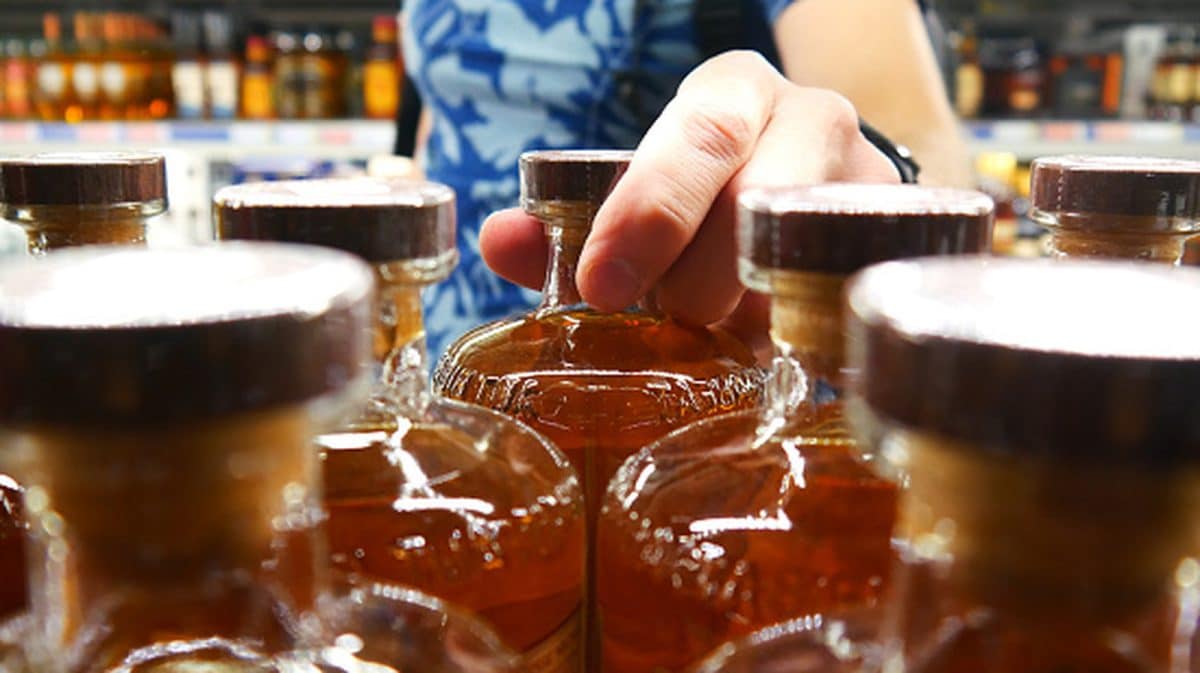
Early 2026 may be the moment for spirits shoppers to score unexpected finds: after years of rapid expansion, the American whiskey sector is retracting, and that shift is already changing what appears on liquor-store shelves. For consumers this could mean lower prices and wider availability of once-elusive bottles — even as distilleries face a difficult reset.
Demand that climbed through the 2010s and into the pandemic years encouraged distillers to scale up production and take on outside investment. Now that growth has stalled, the industry is confronting a large surplus of aged whiskey that was planned for a far hotter market.
The supply shock and why it matters now
Caramel, butterscotch, toffee: how their differences affect your desserts
McDonald’s rebrands Twitter to honor Bubba Wallace after his first NASCAR Cup win
Exports that once buoyed U.S. spirit makers slid sharply in 2025 after trade tensions and tariff responses. Shipments to Canada plunged dramatically in the second quarter of 2025, while sales to the U.K. and Japan also declined by roughly a quarter in the same period. At home, overall alcohol consumption trends and economic caution have softened demand.
Those factors collided with a unique cost structure for producers based in Kentucky. The state is the only jurisdiction in the U.S. that levies taxes on barrels while they are still aging, which has compounded cash-flow pressure for many operations sitting on a mountain of inventory.
Industry figures point to an unprecedented accumulation of stock: roughly 16.1 million barrels are aging in Kentucky warehouses, an amount some analysts estimate is roughly three times what the market needs. That backlog generated tens of millions in barrel taxes last year and leaves many casks that won’t be ready for sale until the end of the decade.
Corporate fallout has already been visible: legacy companies reduced payrolls and scaled back production at key facilities in response to the downturn. Smaller craft brands have been particularly vulnerable, with some confronting severe financial strain.
What buyers can realistically expect
- Lower shelf prices: More supply and softer demand typically push retail prices down. Watch for discounts, promotion-driven bundles, and reduced secondary-market premiums.
- Better availability: Limited-edition and high-age expressions that once vanished from stores more quickly may sit on shelves longer, easing the hunt for sought-after bottles.
- More creative releases: Distillers may accelerate blending programs or issue special bottlings to move inventory, creating value buys and unique flavor combinations.
- Opportunity for experimentation: With premium labels becoming more accessible, home tastings and collecting could become more affordable for casual buyers.
How distillers are adapting
Producers are balancing short-term moves—sales, special editions and independent bottlings—with longer-term changes such as cutting back on new spirit runs to avoid repeating the oversupply cycle. Blending and contract bottling are tools many are using to monetize excess casks without diluting brand prestige.
For larger firms with diversified portfolios, these adjustments are a manageable readjustment. For smaller, debt-laden operations, the next several years will be decisive: the timing mismatch between when barrels were filled and when they reach marketable age creates financial stress that is hard to unwind quickly.
That tension helps explain why observers say 2026 could be an advantageous year for buyers: the market correction that feels painful for producers can translate into tangible savings and availability for consumers. Yet the balance is delicate — too-sharp price declines could hurt long-term investment in craft and quality.
In short, whiskey lovers should watch prices and new releases closely over the coming months. If you’ve been priced out of certain expressions in recent years, 2026 may provide a window to add higher-end bottles to your collection — while the industry works through one of the biggest inventory adjustments in its modern history.
Irish whiskey: approachable bottles new drinkers should try today
Fishtown restaurants ranked: must-visit spots locals are raving about