
Show summary Hide summary
The quick spray of cold water some bartenders use before pouring a beer isn’t ritual — it’s a practical step that directly affects what ends up in your glass. As taprooms refine service standards and consumers expect better pours, understanding the difference between a merely clean glass and one that is truly “beer clean” matters for flavor, aroma and presentation.
At its core, being beer clean means a glass is free of invisible residues that can interfere with a beer’s taste and appearance. Ordinary dishwashing can leave behind traces of detergent, sanitiser, body oils or dust; these contaminants change how foam forms and how aromas are released. A quick cold rinse removes those residues, helps cool the vessel and creates a slick surface that promotes an even pour and proper foam development.
Why the extra rinse changes the experience
Caramel, butterscotch, toffee: how their differences affect your desserts
McDonald’s rebrands Twitter to honor Bubba Wallace after his first NASCAR Cup win
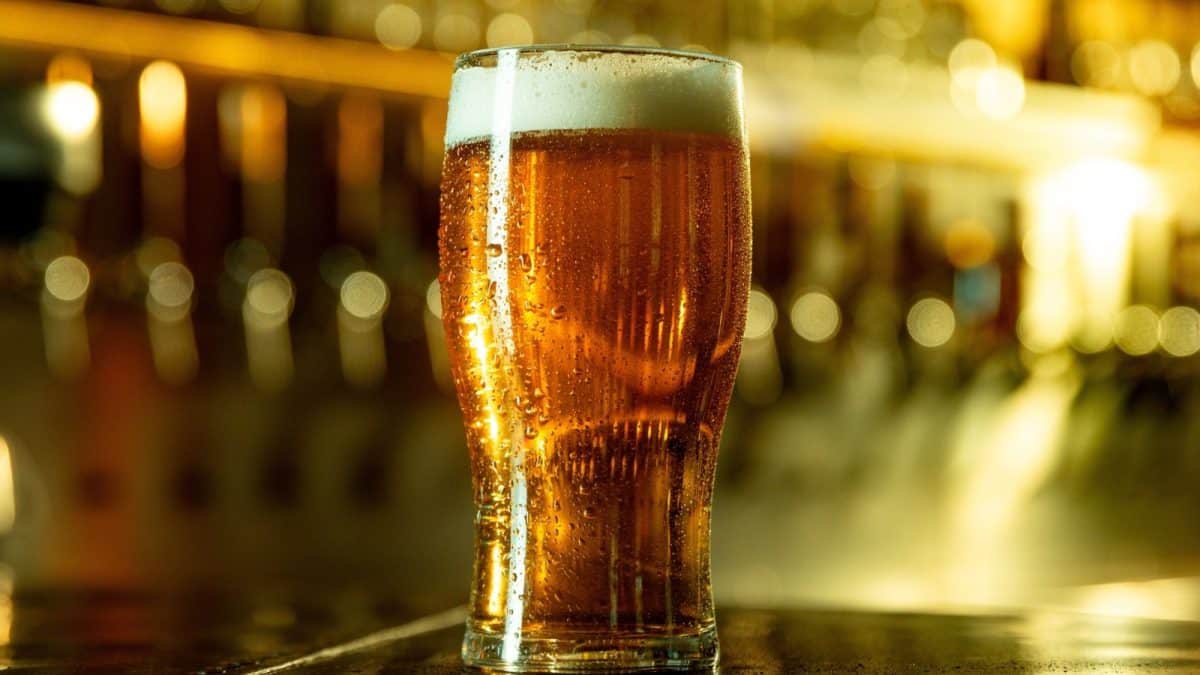
The benefits are both sensory and practical. A properly rinsed glass helps produce a stable head, which concentrates volatile compounds that deliver much of a beer’s aroma. It also prevents CO2 from clinging to particles on the glass wall, which otherwise creates irregular bubbling and a flatter mouthfeel.
Temperature plays a role too: a slightly chilled glass keeps the beer closer to its ideal serving temperature and reduces the shock of pour. For breweries and serious bars, this is a small step with outsized impact on perceived quality.
How to tell if a glass is beer clean
Most people won’t perform lab tests at a pub, but there are quick, reliable checks you can use before or after a pour.
- Head retention: A beer-clean glass produces a good head that lingers rather than collapsing immediately.
- Lacing: As you drink, look for foam rings clinging down the inside. Even, consistent lacing signals a clean surface; patches of stuck bubbles suggest dust or oil.
- Sheeting test: Rinse the inside with cold water and watch how it drains. If the water streams away in a continuous film, the glass is likely beer clean; if it beads or runs unevenly, residue remains.
- Salt test: A pinch of salt on a wet glass will spread uniformly on a clean surface. If the salt clumps or skips areas, the glass needs another wash.
These methods are quick, tactile ways to assess service quality without equipment. They also give regular drinkers an easy baseline to judge establishments’ attention to detail.
Standards and industry attention
Training programs for beer professionals emphasise glass hygiene as a core skill, and there’s growing public awareness — even a dedicated day each spring promotes clean-glass practices, backed by certification bodies like the Cicerone program. For breweries and bars competing on experience, this is a low-cost way to stand out.
For consumers, the takeaway is simple: a brief rinse before a pour signals care and will likely improve the beer in your glass. If you notice poor head formation or stuck bubbles, don’t hesitate to ask for a fresh, rinsed glass — it’s a reasonable request and part of good service.
Irish whiskey: approachable bottles new drinkers should try today
Fishtown restaurants ranked: must-visit spots locals are raving about










